Blog

  • What Are Amphibians?

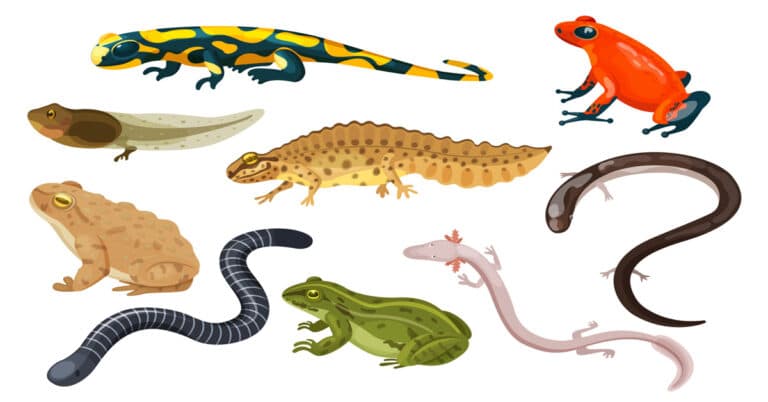
    Quick answer: Amphibians are cold-blooded animals with backbones, such as frogs, toads, salamanders and caecilians. Most begin life in water with gills and later develop lungs, and they breathe partly through their thin, moist skin. Amphibians are Tetrapod, ectothermic vertebrates (animals that depend on environmental sources of heat, not able to self-regulate body heat) that belong…
  • Green Frog

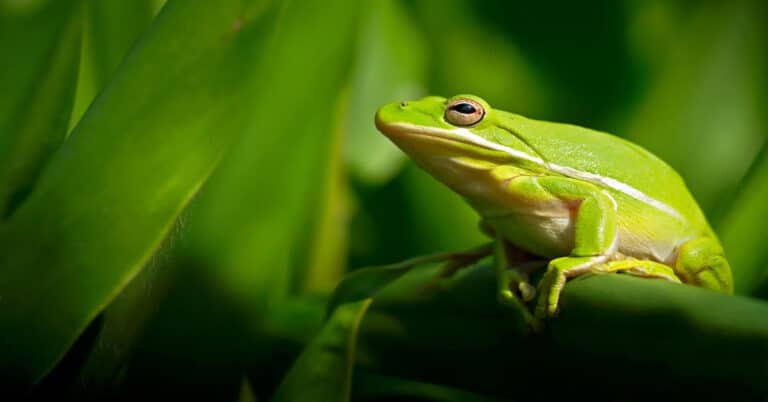
    Lithobates clamitans belong to the species of frogs. They are commonly known as Green frogs and usually belong to the Eastern half of Canada and the United States. The other subspecies of the green frog are the northern green frog and Bronze Frog Rana Clamitans.  Green frog Quick Facts Common name Green frog Scientific name Lithobates clamitans…

  • Leopard Frog

    A leopard frog is any of a group of slim, spotted frogs from North America, named for the dark, leopard-like spots on their green or brown backs. The best known is the northern leopard frog, a common pond and meadow frog across much of Canada and the northern United States. What Are Leopard Frogs? Leopard…

  • Wood Frog

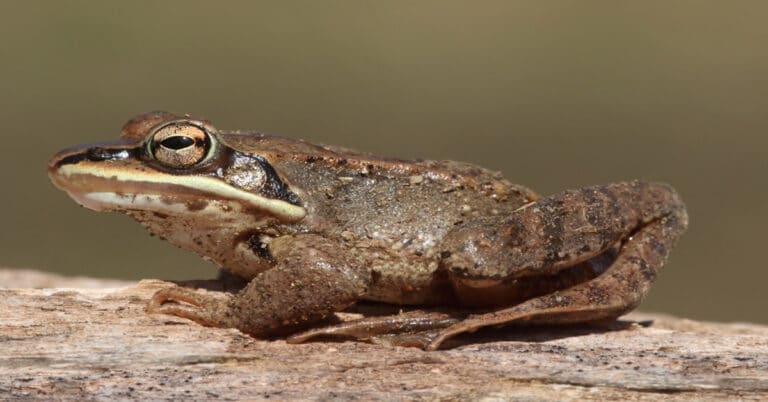
    Lithobates Sylvaticus, usually known as the Wood frog, is a native of North America.  You can see them from the southern Appalachians to the boreal forest and Eastern North Carolina. These frogs have an amazing freeze tolerance ability and spend their maximum life on land. Their interesting habitat includes uplands, vernal pools, and peat bogs. This species is considered an…

  • Tree Frog

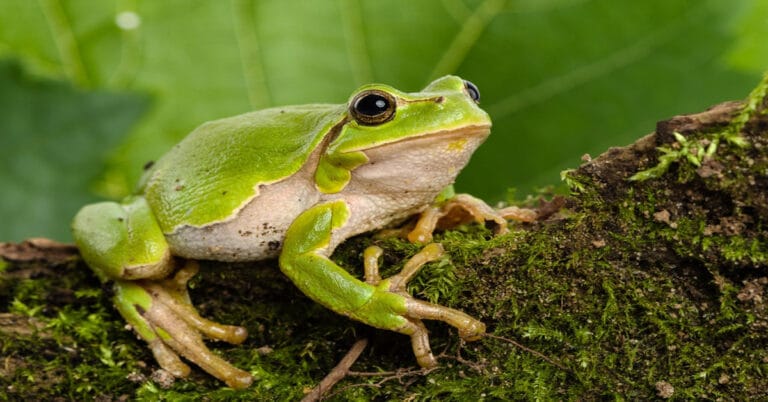
    Tree frogs spend the most part of their life in trees, a situation referred to as the arboreal state. Many divisions of the Neobatrachia contribute to different types of tree frogs, although they are not all closely related (most belong to the family Hylidae). The Neobatrachia is a suborder of the Anura, under the order of frogs…

  • Cuban Tree Frog

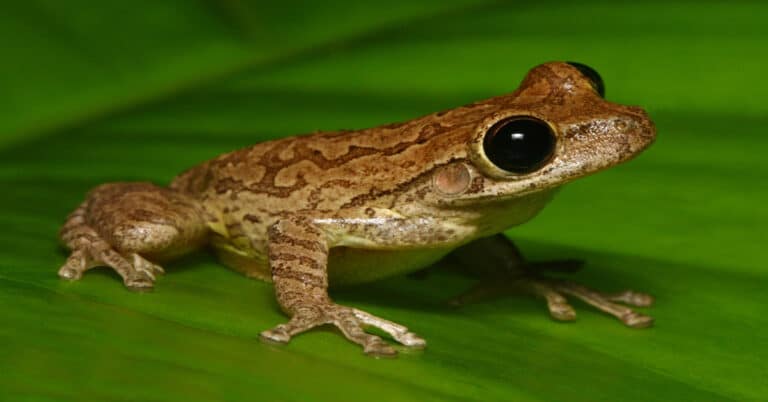
    The Cuban tree frog (Osteopilus septentrionalis) is a large tree frog native to Cuba, the Bahamas and the Cayman Islands. It is the biggest tree frog found in North America, and it has become a troublesome invasive species in Florida and other places where people have accidentally brought it. Cuban tree frog Quick Facts Common…

  • American Bullfrog

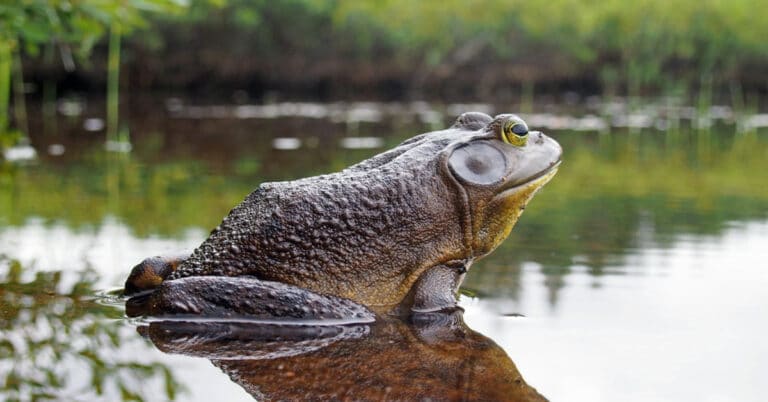
    The American bullfrog (Lithobates catesbeianus) is the largest frog in North America. It gets its name from the male’s deep, booming call, which sounds a bit like a bellowing bull. Bullfrogs are native to eastern North America, but people have spread them to many other parts of the world. Scientific Classification & Quick Facts Common…

  • Bladderworts

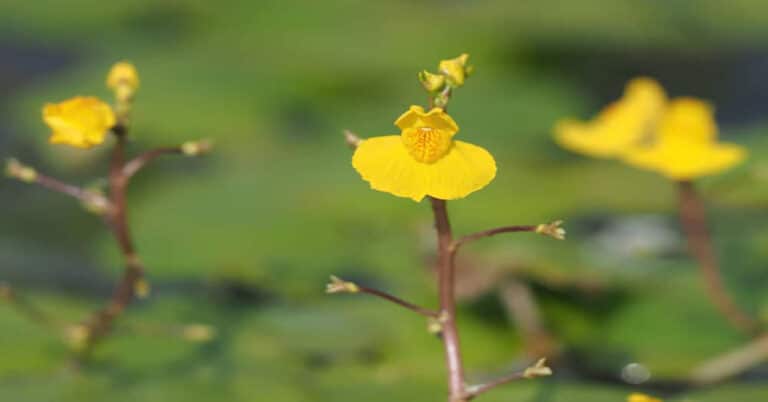
    Most of you are surely acquainted with the Venus Flytrap,  biological name Dionaea Muscipula and its amazing carnivorous,  feeding habits, but how many of you are familiar with other hunting carnivores plants? Meet the Utricularia or the Bladderwort plant that has a trap working at almost 100 times the speed of a Venus Flytrap. The interesting facts…

  • Catopsis

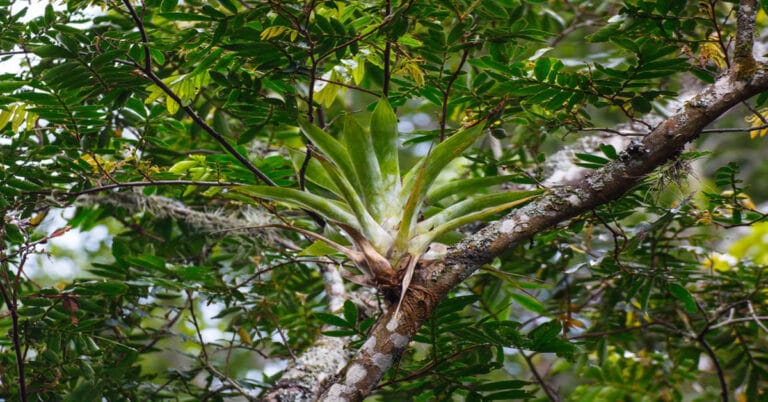
    The genus Catopsis belongs to the family Bromeliaceae and the  Tillandsioideaev subfamily. The name derives from “kata” the Greek word for “hanging down” combined with “opsis” or “appearance”. You can find varieties of Catopsis from Florida, running parts of Brazil in the East, as well as the Caribbean. Catopsis Quick Facts Common name Catopsis Scientific name Catopsis Kingdom…

  • Nepenthes

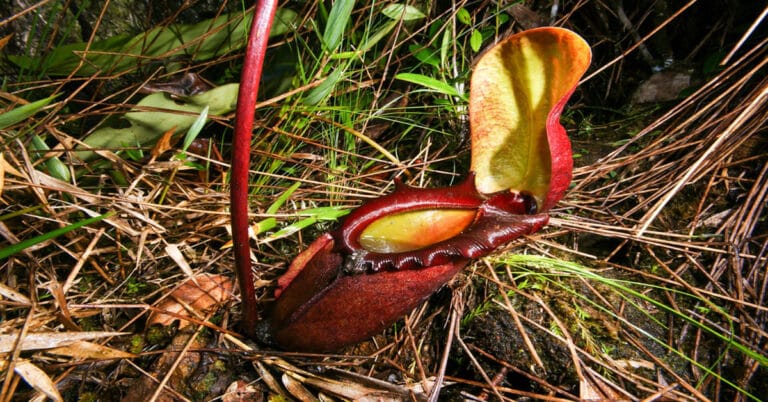
    Nepenthes are tropical pitcher plants, also called monkey cups. These carnivorous plants catch insects and other small animals in hanging, cup-shaped traps called pitchers, and there are more than 150 known species. Tropical pitcher plant Quick Facts Common name Tropical pitcher plant Scientific name Nepenthes Kingdom Plantae Phylum Tracheophyta Class Magnoliopsida Order Caryophyllales Family Nepenthaceae…

  • Sundews

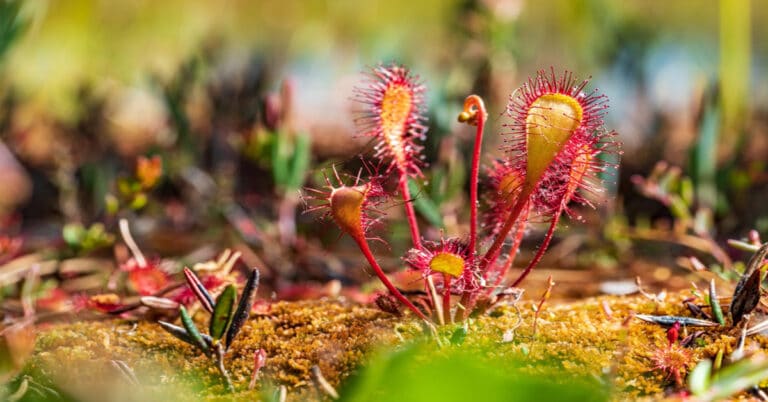
    Drosera, usually famous as the sundews, encompasses one of the biggest varieties of carnivorous plants, having over 194 species. The members of the Droseraceae family attract, arrest, and absorb insects through stalked mucilaginous glands spread over the surface of their leaves. The insects go to enrich the meager mineral nutrition of the soil wherein they grow….

  • Butterworts

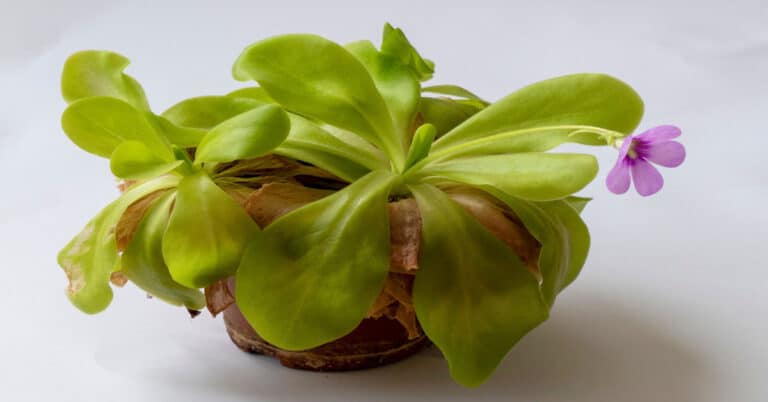
    Pinguicula carnivorous plants, more popularly known as the butterworts, are a species of carnivorous plants that employ their sticky, glandular leaves to entice, trap, and absorb insects to compensate for the meager mineral nutrition they get from the environments. At present, it has eighty known species. Of these, twelve belong to Europe, nine to North America,…