Love Birds
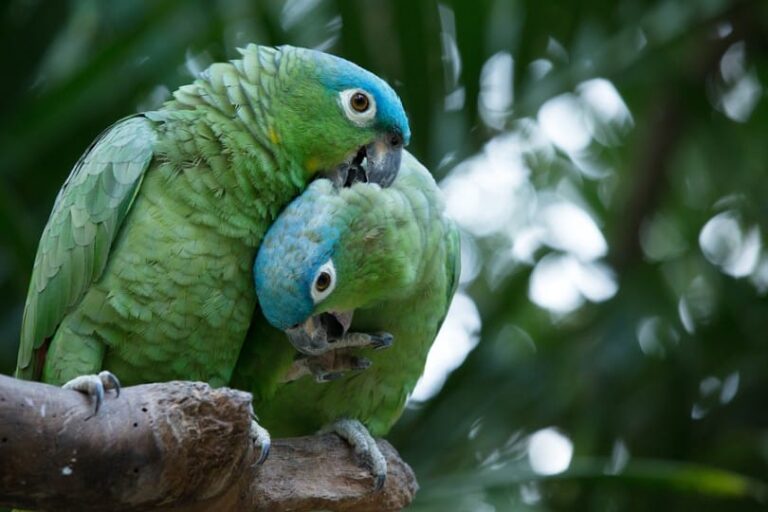
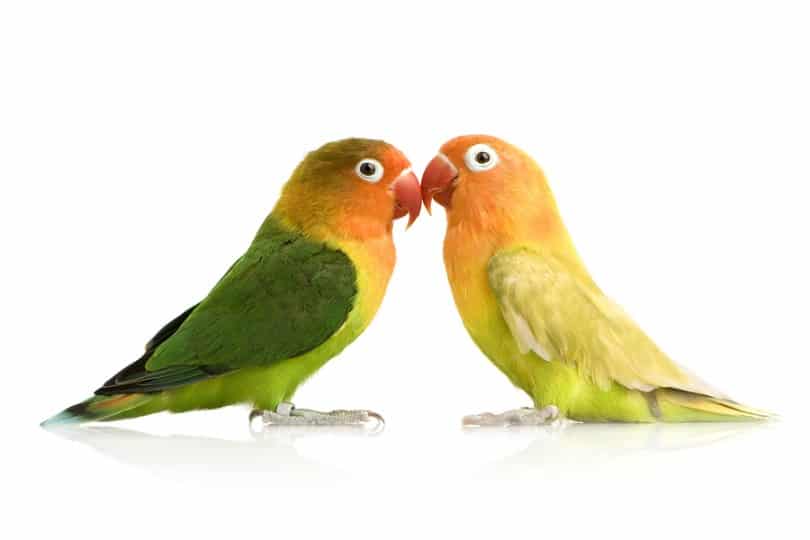
A Love bird, also known as a lovebird is a short structured bird that belongs to the Agapornis genus. Out of the 9 species in the genus, 8 species are endemic to Africa, and the remaining gray-headed bird is native to Madagascar. Lovebird is a type of parrot, loving and very social with humans. The name ‘Love Bird’ derives from the monogamous behavior of those pairs of Lovebirds that spent long hours together. The life span of these birds is 10 to 15 years.
Description
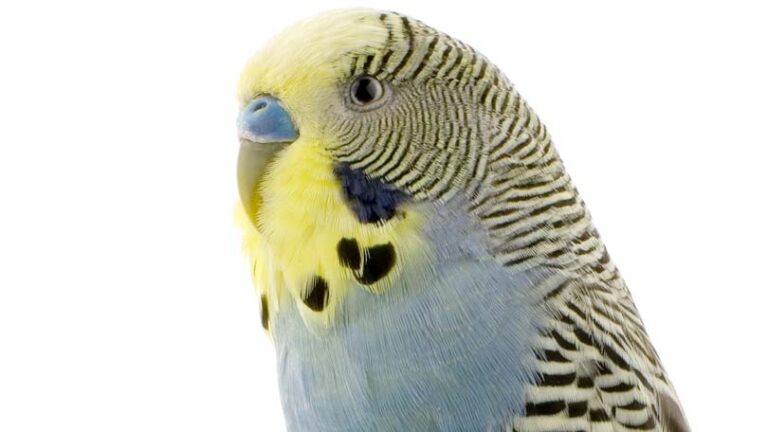
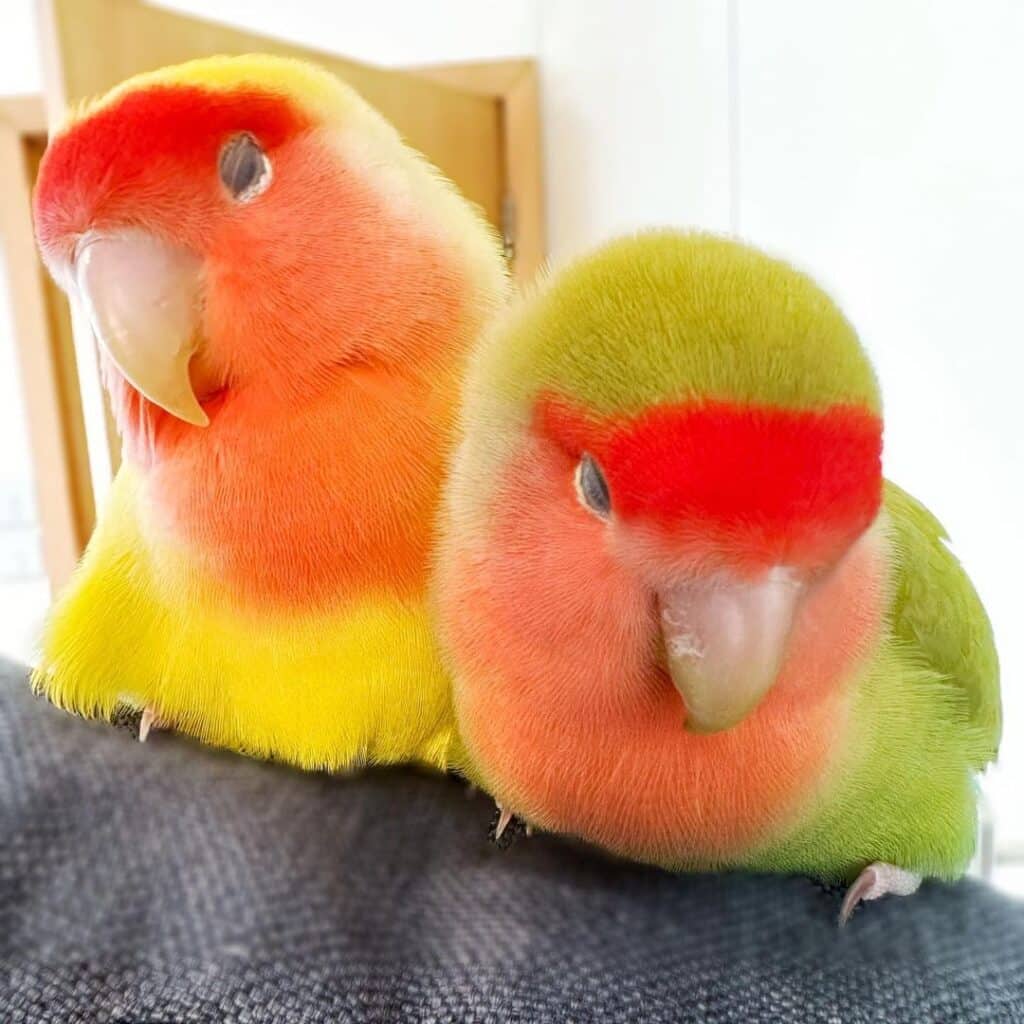
Lovebirds have a small and compact body contour and attain a height between 13 and 17cm, and each weighs about 40 to 60 g. They are one of the smallest parrot species. Their beak is unusually long and sharp, and the tail is short and blunt in round or square shape. You will find a wide variety of color combinations is in each species. The young Lovebirds are usually found in dull colors and a black colored beak. As they reach maturity, their color also intensifies. Thus mature Lovebirds turn very attractive and colorful.
History
The Lovebirds were first seen in the written records that belonged to the 16th century. They have originated from Africa, but later were introduced to the European countries during the 18th century. As they became popular, the demand for the birds increased and the export spread to the USA and other countries. But unfortunately, the wild Lovebirds held captive could not survive in the new conditions, and died. In 1 the 1970s, a rule was implemented to restrict the import of lovebirds into the USA and the European regions.
Habitat
Lovebirds are always found in a group of 15 to 20 birds, and they prefer living as a big family. The wild Lovebirds often make nests in the holes present in trees, or use the abandoned nest of Finches. They can be found in tall scrub lands and grassland and are native to the desert regions of Africa. Later, they spread to all the continents.
Reproduction
For healthy breeding, the Lovebirds should be in good physical shape and must be between 1 and 5 years of age. A proper nest box should be provided during the breeding period that has a diameter of at least 3 inches. Some hay or shredded paper should be laid in the nest. The female Lovebirds start laying eggs after 5 to 12 days from mating. The bird lays one egg every alternate day till it reaches a clutch of 3 to 7 eggs. The average incubation period lasts 23 days.
How to Breed At Home
Food
The wild birds love to eat fruits, berries, seeds, leaf buds, grains, agricultural products like maize, corn and fig. When breeding at home, they can be provided with ready-to-use diets like seed diets or pellets. A formulated diet along with a variety of fruits and vegetable supplements should be provided for the healthy growth and a long lifespan. Lovebirds drink a good quantity of water; hence they must be provided with fresh drinking water every day.
Cage Size and Other Requirements
While choosing the cage for your Lovebirds, make sure to choose a spacious and big cage, enough for them to move around. The birds should be able to stretch their wings and fly inside the cage; hence it should not be less than 36 x 24 x 36 inches. Similarly, the cage should be placed in a good ventilated and sunny location.
Care
Provide enough sunlight, which helps to turn the oil secreted from the Lovebird’s tail into Vitamin D. They always love to live in pairs; hence care should be taken to never leave a Lovebird alone. Clean the cage weekly, and use disinfectants to clean the vessels in which you provide food and water.
Having discovered a fondness for insects while pursuing her degree in Biology, Randi Jones was quite bugged to know that people usually dismissed these little creatures as “creepy-crawlies”.