Author: Randi Jones

Randi Jones is the owner and founder of the Nature Gift Store, an online retailer specializing in nature-themed gifts, educational science projects, live animal nature kits and real butterfly artwork. A biology graduate who fell in love with insects, she founded the company in 2001 to make active learning about nature fun, accessible and engaging for children and adults. Her store offers real butterfly frames, home and garden decor and educational live animal kits, including ant farms, worm farms, tadpoles, ladybugs and hermit crabs, and she runs a bug museum in Washington featuring live animals like Eddie the Iguana alongside other reptiles and insects.
  • Poison Dart Frog

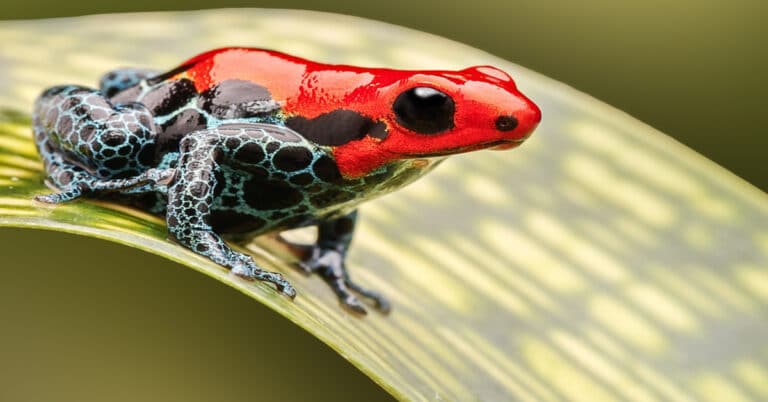
    Poison dart frogs, formerly known as the poison arrow frog, are among one of the most beautiful frog species. Don’t let their beauty fool you, they can be deadly! Let’s take a trip to the rainforest to find out more. Poison dart frog Quick Facts Common name Poison dart frog Scientific name Dendrobatidae Kingdom Animalia…
  • Yellow Rat Snake

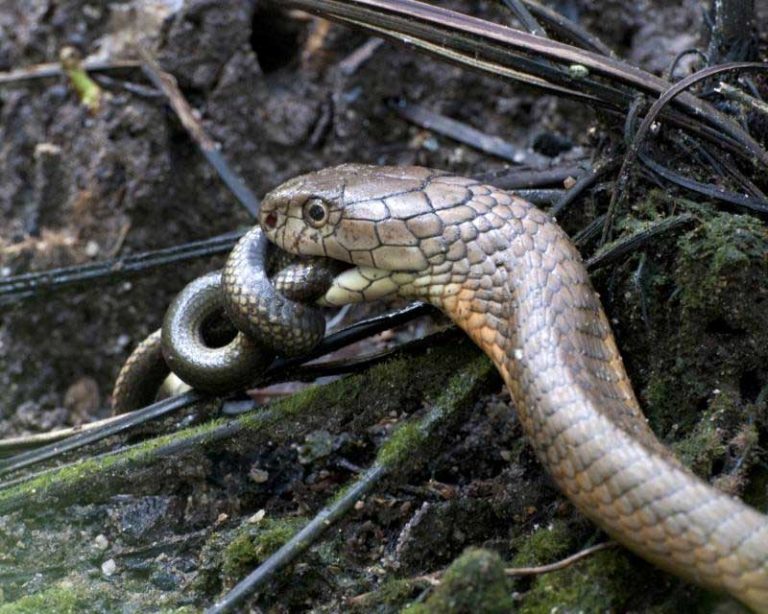
    Scientific Classification & Quick Facts Common name Yellow rat snake Scientific name Pantherophis alleghaniensis Kingdom Animalia Phylum Chordata Class Squamata Family Colubridae Genus Pantherophis Conservation status Least Concern Type Reptile (non-venomous constrictor snake) Diet Rodents, birds and chicks; young eat lizards and tree frogs Habitat Flood plains, thick forests, swamps and timbered hills Native range…

  • What Eats Snakes: Ophiophagy

    Quick answer: Animals that eat snakes include mongooses, kingsnakes, secretary birds, eagles, hawks, owls, honey badgers and even other snakes. Eating snakes is called ophiophagy, and some predators can resist venom. Ophiophagy is the term used to describe a specialized feeding (alimentary) behavior  of birds and animals which are in the habit of hunting and…

  • Worm Snake

    Scientific Classification & Quick Facts Common name Worm snake Scientific name Carphophis amoenus Kingdom Animalia Phylum Chordata Class Squamata Family Colubridae Genus Carphophis Conservation status Least Concern Type Reptile (small burrowing snake) Diet Earthworms, slugs and insect larvae Habitat Forests, under logs, rocks and leaf litter Size 7.5–11 in (19–28 cm) long Colours Brown on…

  • Water Moccasin Snake

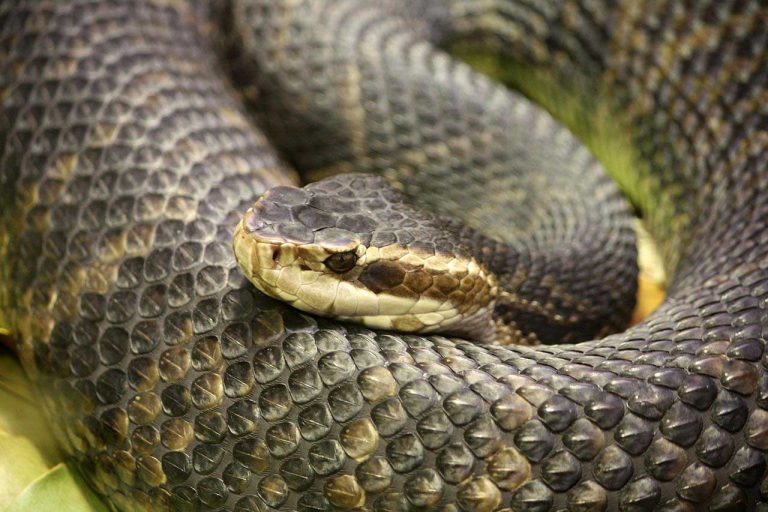
    Scientific Classification & Quick Facts Common name Water moccasin Scientific name Agkistrodon piscivorus Kingdom Animalia Phylum Chordata Class Squamata Family Viperidae Genus Agkistrodon Conservation status Least Concern Type Reptile (venomous pit viper) Diet Fish, frogs, lizards, birds, small mammals, other snakes Habitat Swamps, marshes, ditches, ponds and streams Native range Southeastern United States, from East…

  • Viper Snake

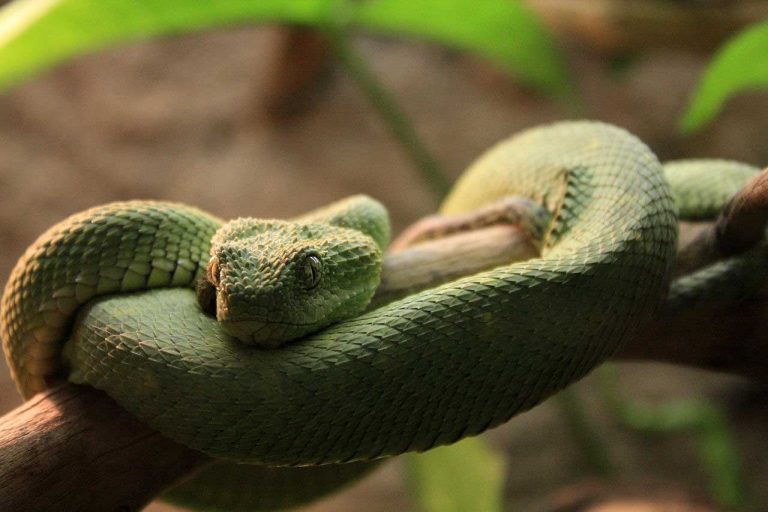
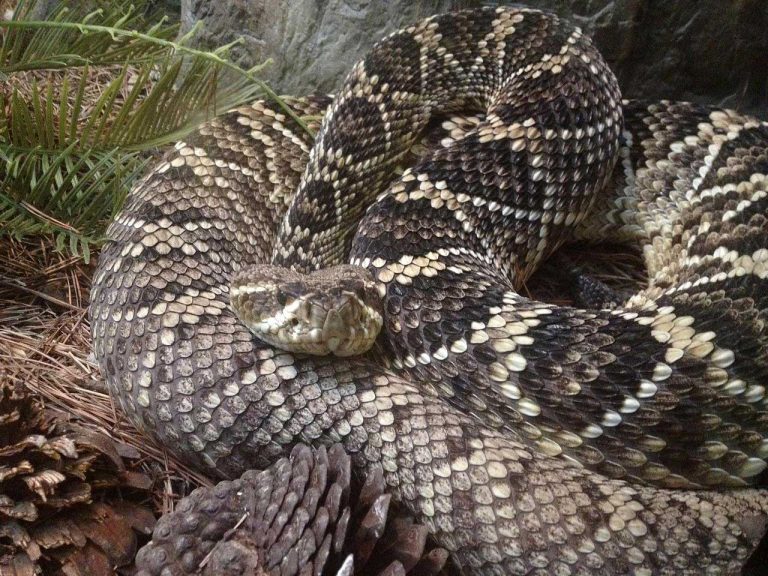
    Scientific Classification & Quick Facts Common name Viper Scientific name Viperidae Kingdom Animalia Phylum Chordata Class Squamata Type Reptile (venomous snake family) Diet Rodents and other small animals Habitat Forests, wetlands and deserts, mostly on the ground Special feature Long hinged hollow fangs that inject venom Classification: GBIF Backbone Taxonomy. The viper snake has hinged,…

  • Types of Snakes: Viperidae (Vipers)

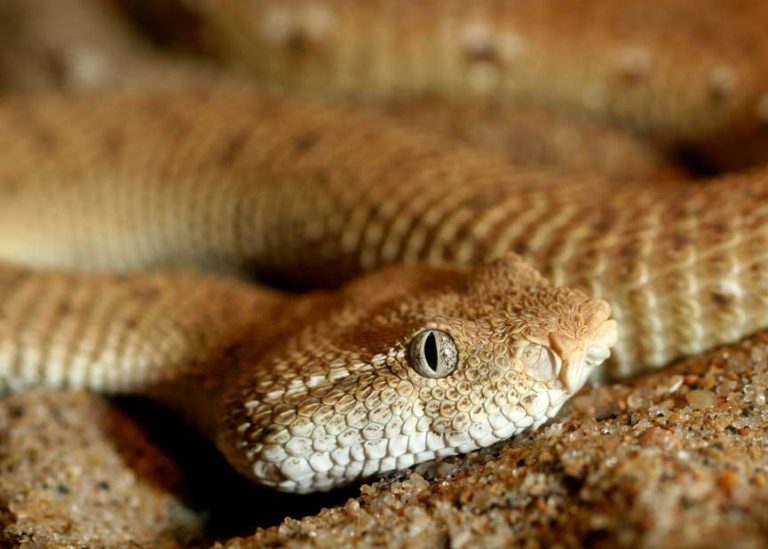
    Scientific Classification & Quick Facts Common name Vipers Scientific name Viperidae Kingdom Animalia Phylum Chordata Class Squamata Type Reptile (venomous snakes) Habitat Deserts, savannas, rainforests and wetlands Native range Europe, Africa, Asia and the Americas Size From 20 cm to over 2 m long Special feature Long, hollow fangs that fold back when not in…

  • Vine Snake

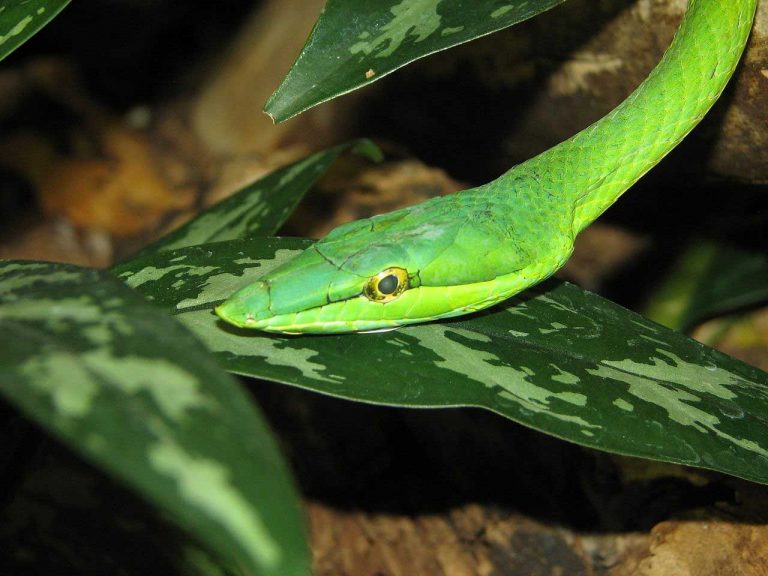
    Scientific Classification & Quick Facts Common name Vine snake Scientific name Ahaetulla nasuta Kingdom Animalia Phylum Chordata Class Squamata Family Colubridae Genus Ahaetulla Conservation status Least Concern Type Reptile (slim tree snake) Diet Lizards, frogs and birds Habitat Rainforests, dry forests and savannas Native range India, Sri Lanka and Southeast Asia Size 0.75–1.5 m (2.5–5…

  • Types of Snakes: Pythonidae

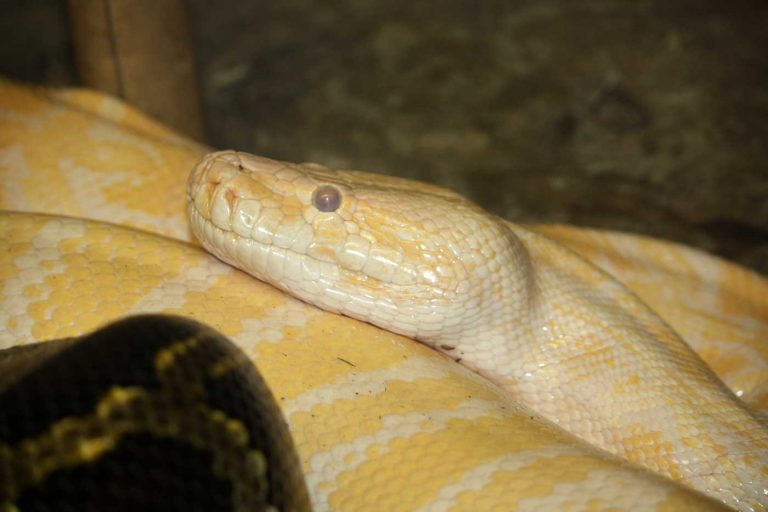
    Scientific Classification & Quick Facts Common name Pythons Scientific name Pythonidae Kingdom Animalia Phylum Chordata Class Squamata Type Reptile (non-venomous constrictor snakes) Diet Mammals and birds; big ones eat deer or antelope Native range Africa, Asia and Australia Size From about 4 ft to nearly 23 ft (6.95 m) Special feature Mothers shiver to warm…

  • Other Snake Families Not Already Described

    Scientific Classification Kingdom:   Animalia Phylum:     Chordata Subphylum:     Vertebrata Class:       Sauropsida Order:        Squamata Suborder:        Serpentes The Suborder Serpentes Includes Two Infraorder Of Snakes The first Infraorder is Alethinophidia that includes  15 families and then you have the  Scolecophidia,  that comprises of 3 families Families under Alethinophidia Infraorder The Acrochordidae The Aniliidae The Anomochilidae…

  • Types of Snakes: Hydrophiidae

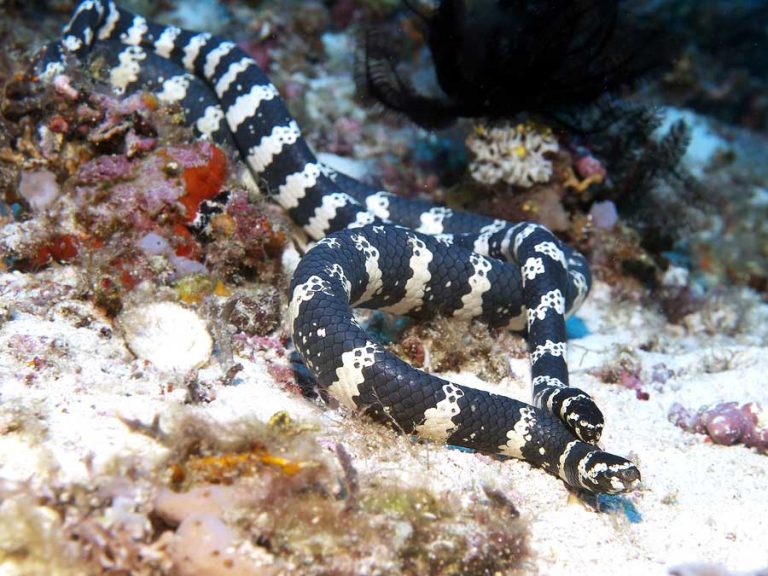
    Scientific Classification Kingdom:   Animalia Phylum:     Chordata Subphylum:     Vertebrata Class:       Reptilia Order:        Squamata Suborder:        Serpentes Family:        Elapidae Subfamily:        Hydrophiinae Quick Facts Common name Sea snakes Scientific name Hydrophiinae Type Reptile (venomous sea snakes) Diet Fish, eels, fish eggs and crustaceans Habitat Warm seas: reefs, estuaries and mangroves Native range Tropical Indian…

  • Types of Snakes: Colubridae

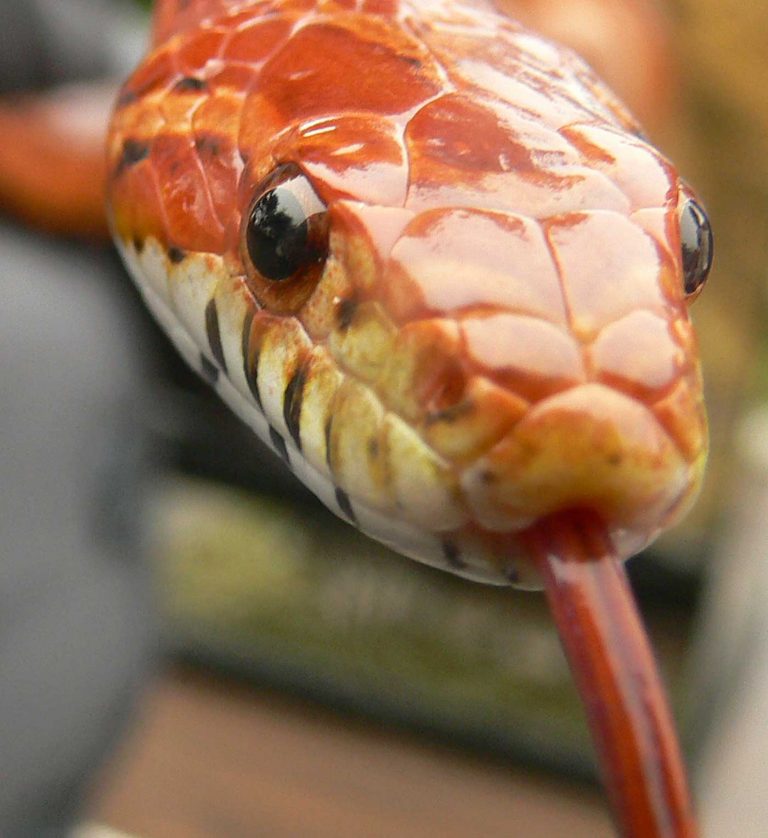
    Scientific Classification & Quick Facts Common name Colubrids Scientific name Colubridae Kingdom Animalia Phylum Chordata Class Squamata Type Reptile (largest family of snakes) Diet Rodents, lizards, frogs, birds and other snakes Native range Every continent except Antarctica Size From about 35 cm to over 2.5 m long Special feature About two-thirds of all snake species…