Diet of Snakes

Every snake is a carnivore, which means all snakes eat other animals and none of them eat plants. What a snake eats depends on its size, its species and where it lives, from tiny worm-eaters to giant snakes that can swallow a deer.
What Do Snakes Eat?
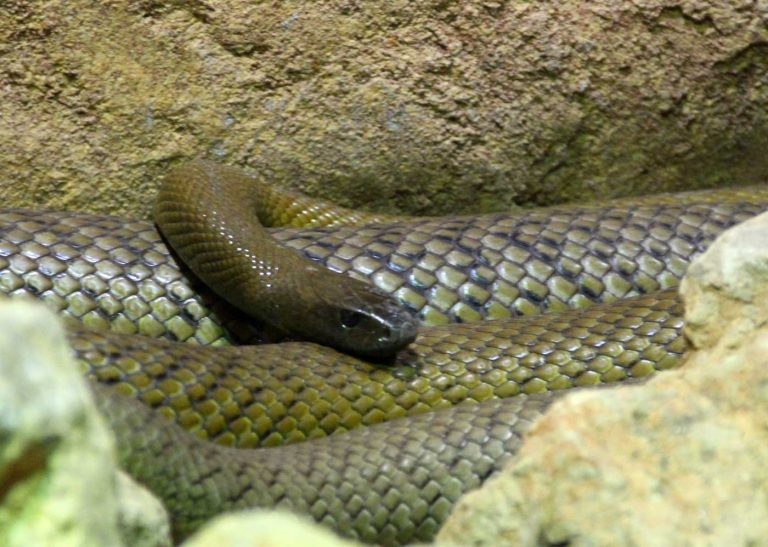
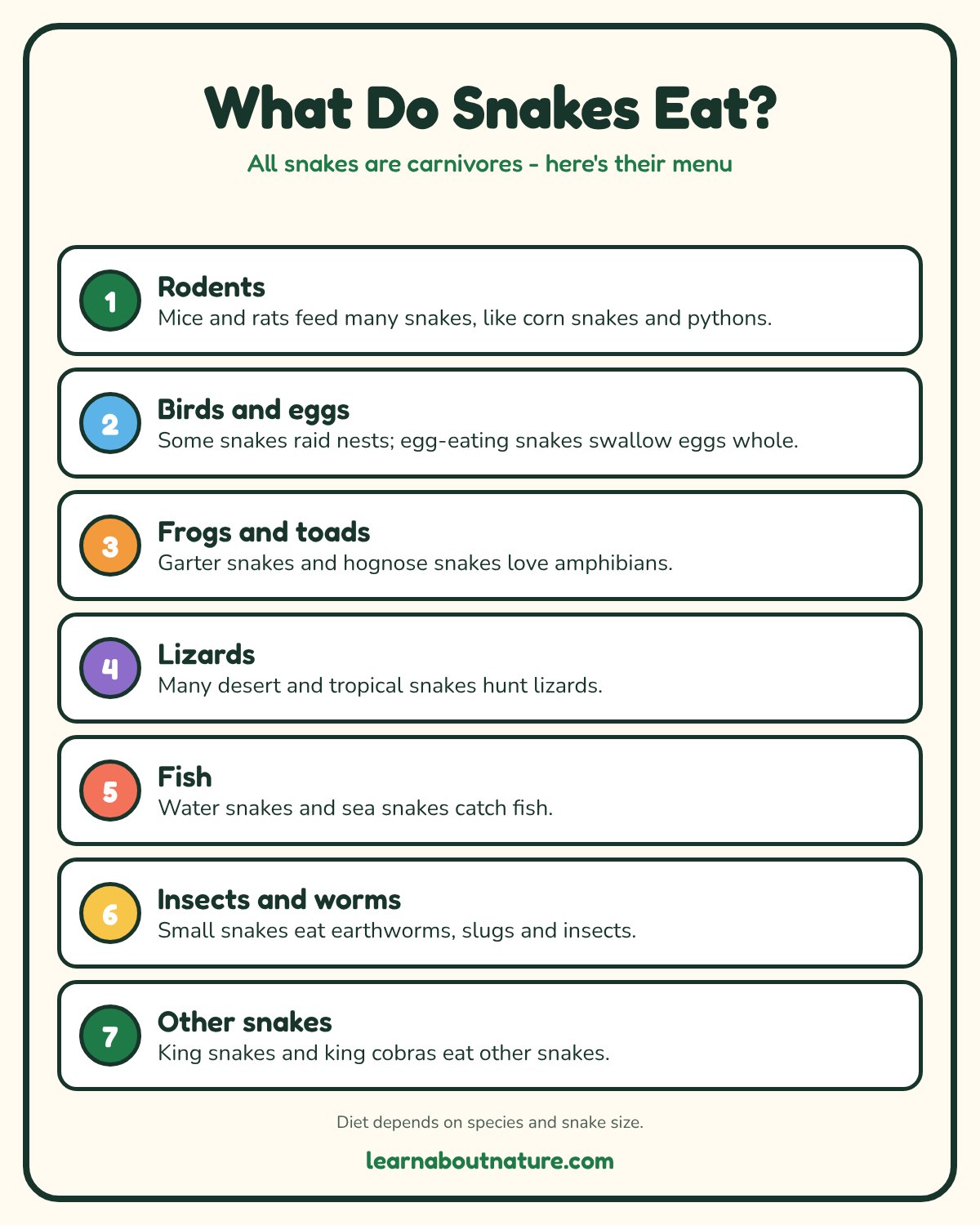
All snakes are carnivores. Depending on their size and species, snakes eat rodents, birds, eggs, frogs, fish, lizards, insects, worms, slugs and even other snakes. Large constrictors such as pythons and anacondas can swallow animals as big as deer. Snakes swallow their prey whole, usually head first.
How Snakes Eat
Snakes cannot chew, so they swallow their food whole, usually head first. Their jaws are amazingly stretchy. The two halves of the lower jaw are not joined tightly at the chin, and the bones are linked by flexible ligaments, so a snake can open its mouth very wide. Snakes do not truly “unhinge” their jaws, but this clever setup lets them swallow prey much wider than their own heads.
Snakes have three main ways of handling a meal:
- Swallowing it alive. Many small snakes simply grab small prey such as insects, worms and frogs and gulp them down.
- Constricting. Boas, pythons and many rat snakes wrap their coils around prey and squeeze. Each time the animal breathes out, the snake tightens, which stops blood flow and quickly kills it.
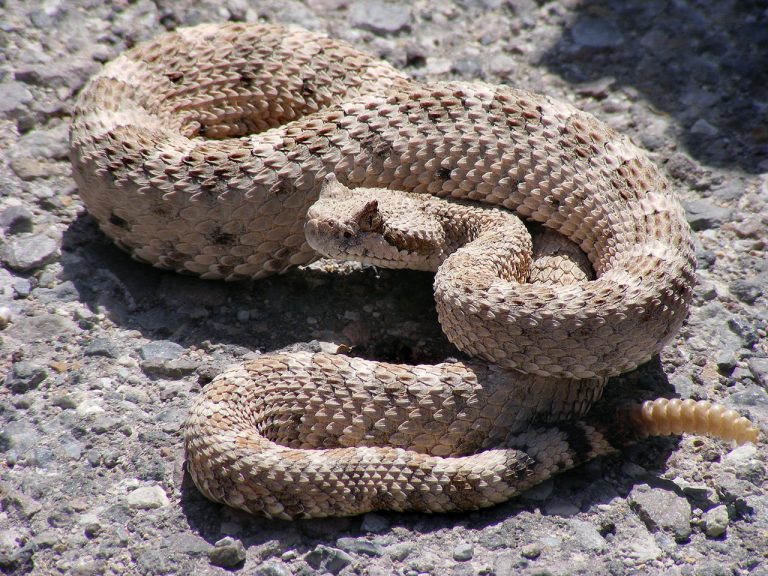
- Using venom. Vipers, cobras and their relatives inject venom through fangs. Venom kills or stuns the prey and even starts breaking it down from the inside.
Snakes find food mostly by smell. They flick out their forked tongue to collect scent particles and carry them to a special sense organ in the roof of the mouth. Pit vipers, pythons and boas can also sense the body heat of warm-blooded prey, even in the dark.
What Do Snakes Eat?
Different snakes eat very different things. Some eat warm-blooded animals such as birds, rodents and rabbits, while others eat earthworms, slugs, eggs, fish, insects, lizards, other snakes or amphibians. Many snakes eat whatever is plentiful in their habitat at that time of year.
Insects and Worms
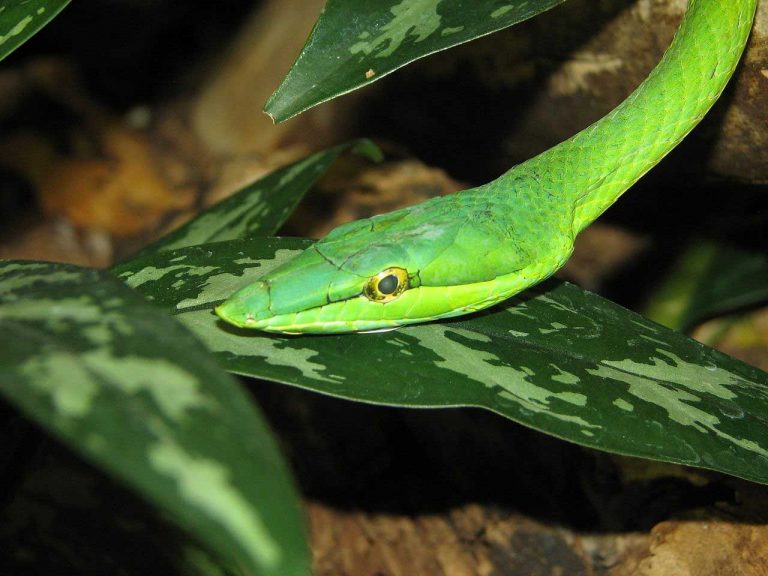
Small snakes such as the North American green snakes feed mostly on insects, spiders and caterpillars. Baby snakes of many kinds also start out on insects, worms and other tiny prey.
Rodents
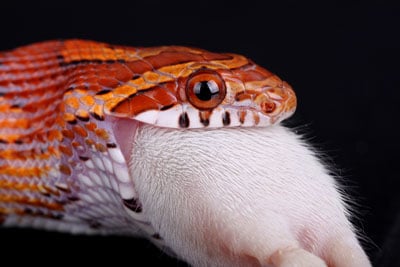
Rats and mice are among the most common snake foods. Rat snakes, corn snakes, king snakes, rattlesnakes and many pythons hunt rodents, which helps farmers by keeping rodent numbers down. This is also why most pet snakes are fed mice or rats.
Amphibians and Reptiles

Frogs, toads and tadpoles are a favorite food of garter snakes, water snakes and many others. Some snakes eat lizards, and some even eat other snakes. The king cobra eats mostly other snakes, including venomous ones, and king snakes in North America are famous for eating rattlesnakes. Large snakes can tackle bigger reptiles too: green anacondas sometimes catch caimans.
Fish
Water snakes eat fish of all sizes, from minnows to fair-sized catfish, depending on how big the snake is. Most sea snakes feed on fish and eels, and some eat fish eggs. The tentacled snake of Southeast Asia lives in water and eats only fish, which it catches with a lightning-fast strike.
Birds and Eggs

Tree-climbing snakes often raid nests for eggs and baby birds, and larger snakes catch adult birds. Some snakes sneak into henhouses to steal chicken eggs and chicks.
Larger Mammals
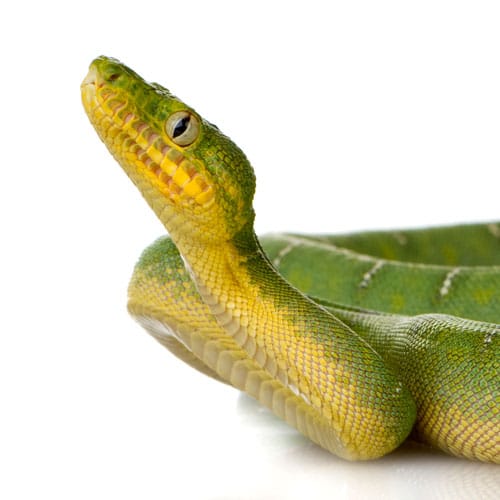
Big constrictors can eat surprisingly large animals. A large python can swallow a whole rabbit or even a small antelope, and the green anaconda of South America eats capybaras, deer, wild pigs and caimans. After a meal this big, a snake may not need to eat again for weeks or months. The bigger the meal, the longer it takes to digest.
Snakes with Special Diets
Some snakes are picky eaters that stick to just one or two kinds of food:
- Egg-eating snakes of Africa eat only birds’ eggs. They swallow an egg whole, then sharp bony points on their backbone, inside the throat, crack the shell. The snake swallows the egg’s contents and spits out the crushed shell.
- Crayfish snakes of North America eat mostly crayfish, especially ones that have just shed their hard shells and are soft.
- Snail-eating snakes, such as the slug-eating snakes of Southeast Asia and the snail-eaters of Central and South America, have special jaws for pulling a snail out of its shell. Small North American brown snakes also feed on slugs and snails.
- Blind snakes are tiny burrowers that live near ant and termite nests and eat the eggs, larvae and pupae of ants and termites.
How Long Can a Snake Go Without Food?
Snakes can survive a long time between meals. Several reasons explain this:
- They are cold-blooded, so they do not burn food to keep their bodies warm.
- They spend a lot of time resting, which uses very little energy.
- They store fat in their bodies and can live on it when food is scarce.
Many snakes eat only every week or two, and big snakes that have just eaten a large meal may go several months before eating again.
Do Snakes Drink Milk?
No. The idea that snakes drink milk is a myth. Snakes are reptiles, not mammals, and they cannot digest milk properly. Snakes drink water, and a snake forced to drink milk could become ill.
Feeding Pet Snakes

Most pet snakes, such as corn snakes, ball pythons and king snakes, eat rodents. A whole mouse or rat gives a snake a complete, balanced meal, so pet snakes rarely suffer the diet problems that some other pet reptiles get. Baby snakes start on newborn “pinky” mice, and the size of the food grows as the snake grows. A good rule is to choose prey about as wide as the thickest part of the snake’s body.
Experts recommend feeding pet snakes prey that has been frozen and then fully thawed, rather than live animals. Frozen rodents are sold at pet stores, so you never need to kill anything yourself. Live prey suffers stress, and a live mouse or rat can bite and badly injure a snake, especially if the snake is not hungry. Use long tongs to offer the food, and never leave a live animal alone in a snake’s enclosure.
If you are not comfortable feeding whole animals to a pet, a snake might not be the right pet for you. A reptile vet or experienced keeper can give advice on the right food and feeding schedule for each species.
What Common Snakes Eat
Each type of snake has its own favorite foods. This table shows the typical diet of some well-known snakes.
| Snake | Hunting method | Main foods |
|---|---|---|
| Garter snake | Grabs and swallows | Frogs, toads, earthworms, fish, slugs |
| Corn snake | Constrictor | Mice, rats, birds, lizards |
| Ball python | Constrictor | Rodents and small birds |
| King snake | Constrictor | Other snakes, rodents, lizards, eggs |
| Rattlesnake | Venom | Mice, rats, ground squirrels, rabbits |
| Cottonmouth | Venom | Fish, frogs, snakes, small mammals, carrion |
| Green snake | Grabs and swallows | Insects, spiders, caterpillars |
| Burmese python | Constrictor | Mammals and birds, up to deer size |
| Green anaconda | Constrictor | Fish, birds, capybaras, caimans, deer |
| King cobra | Venom | Mostly other snakes |
| Sea snakes | Venom | Fish, eels, fish eggs |
| Egg-eating snake | Swallows eggs whole | Birds’ eggs only |
A snake’s diet often changes as it grows. Many species eat small prey such as insects, worms or lizards when young, then switch to bigger animals like rodents as adults.
How Snakes Digest Their Food
Swallowing an animal whole means a snake has a lot of digesting to do. Its body has some special tricks for the job.
- Swallowing: the snake ‘walks’ its jaws over the prey, moving the left and right sides forward in turn. Backward-curving teeth stop the prey slipping out. A snake can push its windpipe forward along the floor of its mouth so it can keep breathing during a long swallow.
- Strong stomach acid: powerful acids and enzymes break down meat, skin and even bones. Most snakes digest almost everything except fur, feathers and claws, which pass out as waste.
- Growing organs: in large pythons, the heart, liver and intestines grow bigger for a few days after a large meal to cope with the work, then shrink back.
- Warmth: snakes need to be warm to digest. After eating they often look for a sunny or warm spot.
Digestion can take from a day or two for a small meal to a week or more for a very large one. If a snake gets too cold or is stressed soon after eating, it may bring the meal back up, which is called regurgitation.
This is why pet snakes should be handled as little as possible for a day or two after feeding.
Snakes in the Food Chain
Snakes are both predators and prey, which makes them an important part of many ecosystems.
As predators, snakes help control animals that can become pests. Rodent-eating snakes such as rat snakes and rattlesnakes keep down numbers of mice and rats that damage crops and stored food and can spread disease. Snakes that eat slugs, insects and other snakes play a similar role in gardens and wild places.
Snakes are also food for many animals, including:
- Hawks, eagles, owls and herons
- Roadrunners and secretary birds
- Mongooses, foxes, raccoons and badgers
- Other snakes, such as king snakes and king cobras
- Large fish and frogs, which eat young snakes
Even snake eggs and babies are eaten by many predators, which is why most young snakes do not survive to adulthood.
Because they fit into the food web at several levels, falling snake numbers can lead to more rodents and other prey animals. Leaving harmless snakes alone, and giving them space if you meet one, helps keep nature in balance.
Common Myths About What Snakes Eat
Snakes are surrounded by myths, and many are about their diet. Here are some common ones and the truth behind them.
- Myth: Snakes unhinge their jaws. Snakes do not dislocate their jaws. Flexible joints and stretchy ligaments, plus a lower jaw that is not fused at the chin, let them open very wide.
- Myth: Snakes drink milk. Snakes cannot digest milk. They drink water.
- Myth: Snakes need to eat every day. Most snakes eat far less often than mammals, from every few days for small species to every few weeks or months for big ones.
- Myth: Some snakes are vegetarians. No snake eats plants. Any plant material in a snake’s stomach was usually swallowed by accident or was inside its prey.
- Myth: Pythons often eat people. Attacks on people are extremely rare. A few very large reticulated pythons have killed people, but humans are not normal prey for any snake.
- Myth: Snakes taste with their tongues. The tongue collects scent particles, but it is the organ in the roof of the mouth that detects them, so snakes are really smelling, not tasting.
Knowing the facts helps people understand snakes better and fear them less.
Snake Diet FAQs
What do snakes eat?
All snakes are carnivores. Depending on species and size, they eat insects, worms, slugs, eggs, fish, frogs, lizards, other snakes, birds and mammals such as mice and rats. Large constrictors can eat animals as big as deer, capybaras and caimans.
How long can a snake go without eating?
Many snakes can go weeks or even months without food, because they are cold-blooded and use little energy. Small snakes typically eat every week or two, while large snakes that have just eaten a big meal may not need to eat again for several months.
Do snakes drink milk?
No. The idea that snakes drink milk is a myth. Snakes are reptiles and cannot digest milk properly. They drink water, often by sipping from puddles or licking droplets. Forcing a snake to drink milk could make it sick.
Should pet snakes be fed live or frozen prey?
Most experts recommend frozen and fully thawed prey. It is safer for the snake, since live rodents can bite and seriously injure it, and it is kinder to the prey. Frozen rodents are widely available from pet stores in sizes to suit every snake.

Randi Jones is the owner and founder of the Nature Gift Store, an online retailer specializing in nature-themed gifts, educational science projects, live animal nature kits and real butterfly artwork. A biology graduate who fell in love with insects, she founded the company in 2001 to make active learning about nature fun, accessible and engaging for children and adults. Her store offers real butterfly frames, home and garden decor and educational live animal kits, including ant farms, worm farms, tadpoles, ladybugs and hermit crabs, and she runs a bug museum in Washington featuring live animals like Eddie the Iguana alongside other reptiles and insects. Randi wrote most of the guides on this site. They first appeared on her long-running nature sites, including Monarch-Butterfly.com, Ladybug-Life-Cycle.com, Frog-Life-Cycle.com, Dragonfly-Site.com and Butterfly Pictures, which have now been brought together here at Learn About Nature.