African Fat Tailed Geckos
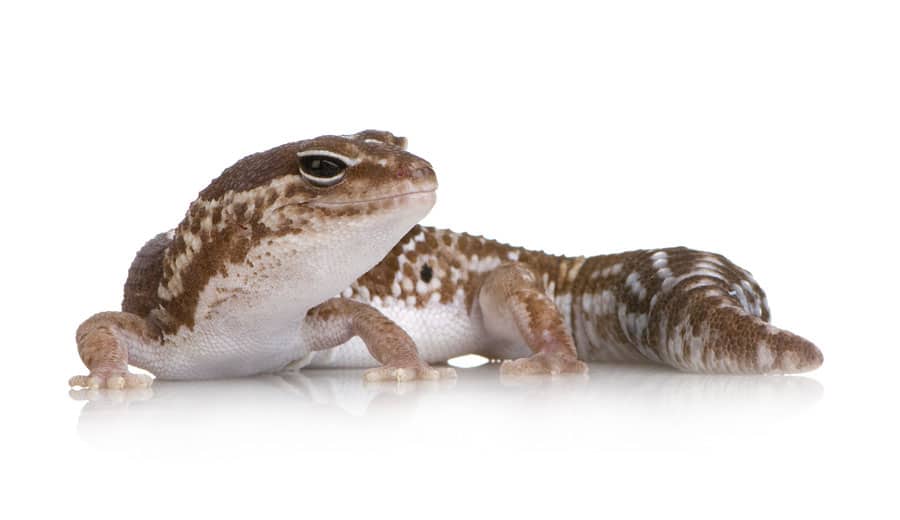
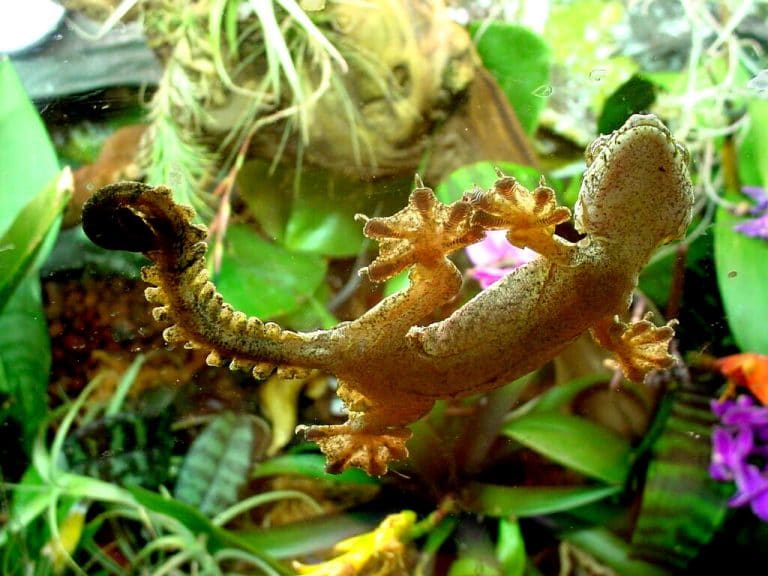
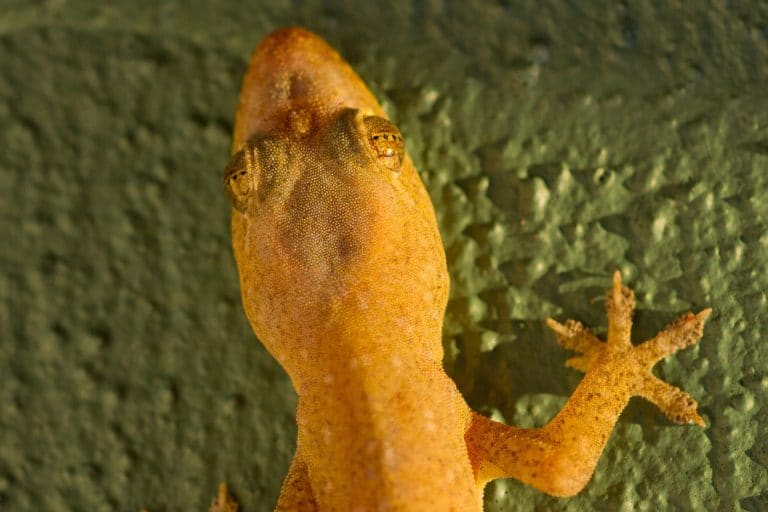
The Hemitheconyx Caudicinctus gecko often called African Fat-tailed Gecko is a nocturnal, ground dweller. The Fat-tailed geckos belong to the subfamily Eublepharinae, which includes the leopard geckos of India, Pakistan, and South Asia. This group has distinct features from others. They have movable eyelids, and vertical pupils; they are active at night, are terrestrial, and have no adhesive lamellae (sticky feet).
From Senegal to Cameron in West Africa we find them in humid dark hiding places that are their homes, in spite of the fact that they dwell in dry and arid conditions. In custody, it is essential to equip them with the congenial environment similar to this, especially with regard to the humidity.
Anatomy
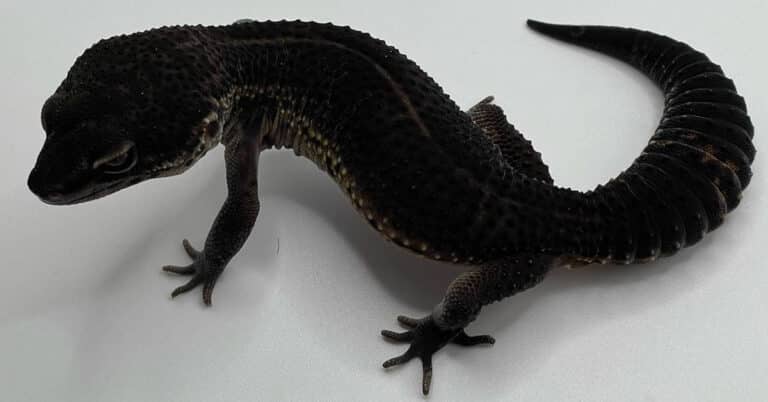
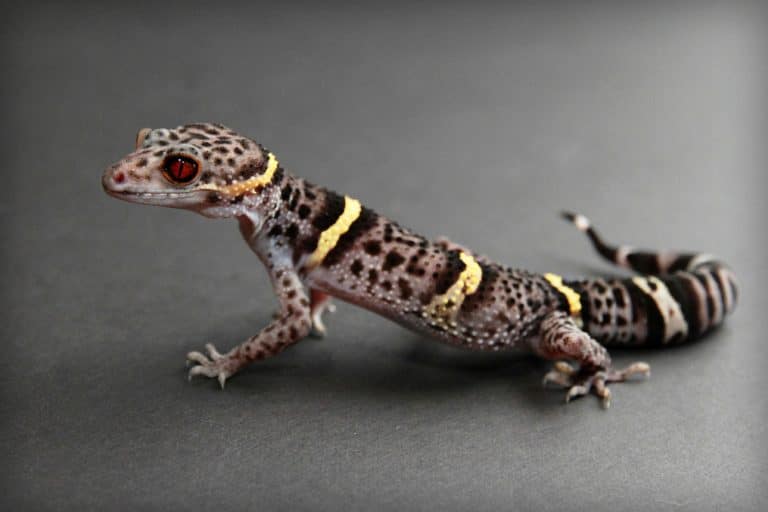
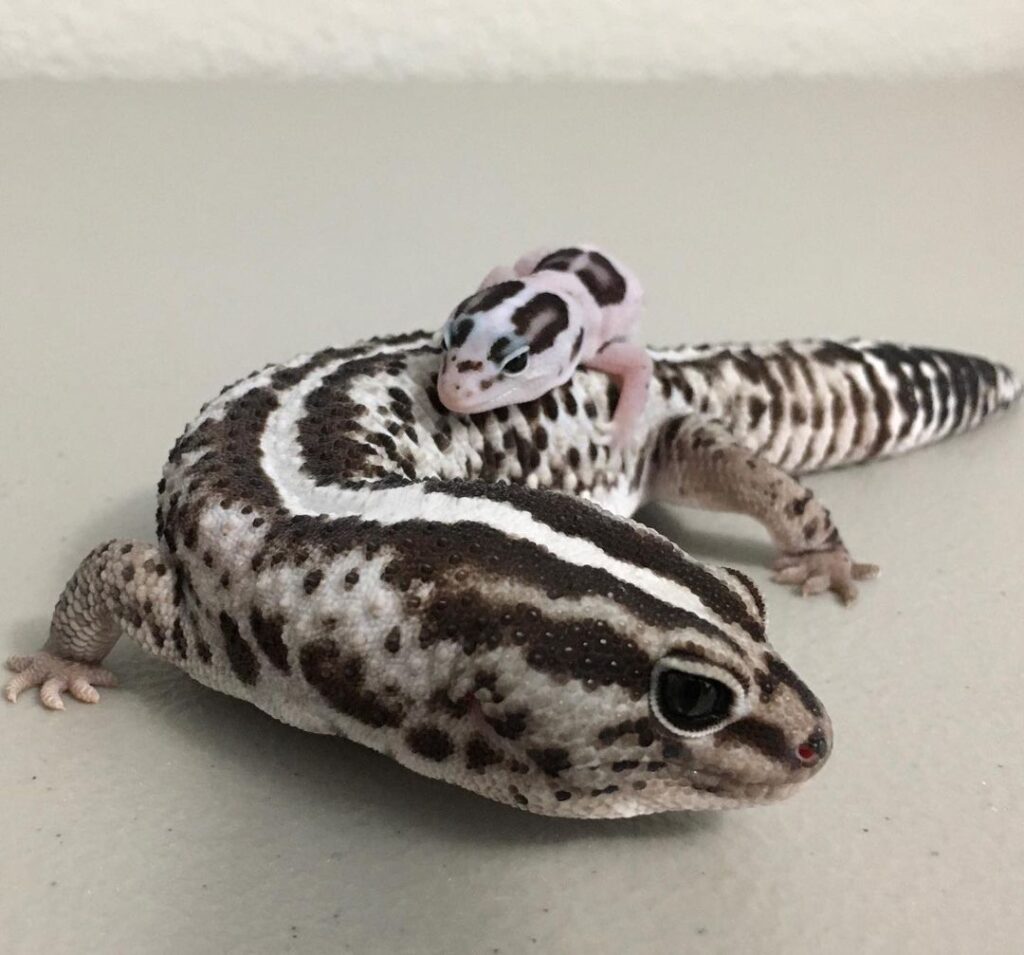
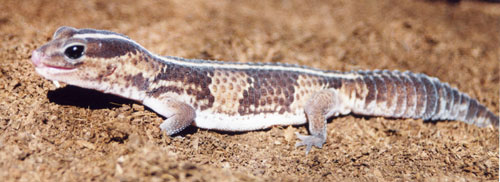
Fat-tailed gecko are 8-10 inches long and survive for 15 years. These geckos are two types, one with a white stripe below the back and the other without a stripe. You can find them in varied colors of light and dark brown. What is prominent is the large thick tail (for fat storage).
Feeding
The primary food for Fat-tailed geckos are crickets and mealworms. Feed adults occasionally with super worm or wax worm. Gut feed the prey prior to feeding it and preferably dust with vitamin powder with a calcium content. Feed adults every 2-3 days and young ones daily. Provide a dish with water.
African Fat tailed geckos as pets
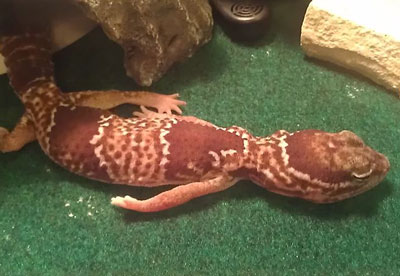
Although Leopard gecko remains the most famous pet lizard, the closely related African Fat-tailed gecko is a close second and is fast becoming a popular in the pet trade. They are easy to instruct, but need higher humidity. Breeders in the reptile trade, with their various permutations and combinations have been able to achieve various colors including tangerine, albino, pattern less, white out and deviants with long life.
Housing
A ten-gallon tank a sliding mesh will suffice for those short of space. The African Fat-tailed gecko’s feet have no climbing pads. You should cage them well if you want to prevent your anxious cat from drooling over the smell of these delicious munchies!
A 20-gallon tank is safe for two. Never keep two males in a cage, as they will quarrel, or at worst, even kill each other. Females are amicable and available at pet centers. While purchasing make sure that you ask for a female and get it.
Breeding
These reptiles breed from October to June, but different nurturing colonies may have their own agenda. Usually mating happens in December and 15-45 days later you can expect the first group of eggs. For females whose reproductive cycle is just commencing, you can count a full 45 days for laying the eggs. After reproducing the first time, the female continuously lays at least five groups of good eggs in the context of the delay in implanting the male sperm. If another male propagates the female after she lays the first group of eggs, she will lay one more group of eggs prior to purging the first male’s sperm only after which the female delivers eggs of the second male. Normal group of eggs are five, but with two eggs in one clutch, the figure can go up to 13. Depending on the temperature in their dwelling, this happens in a gap of 12-22 days. Some geckos that lay more eggs in a particular year, may lay only few eggs next year.
Reproduction
Fat-tailed geckos have a weaker body system than the leopard geckos, which is a big problem. A Fat-tailed gecko gives only little energy for reproduction and they use 25% energy for self-preservation. As such, twice a year you must carry out routine worming. The best time for worming is just before the breeding season or as soon as the last eggs are laid that year.
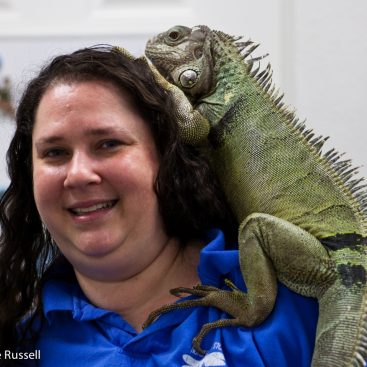
Randi Jones is the owner and founder of the Nature Gift Store, an online retailer specializing in nature-themed gifts, educational science projects, live animal nature kits and real butterfly artwork. A biology graduate who fell in love with insects, she founded the company in 2001 to make active learning about nature fun, accessible and engaging for children and adults. Her store offers real butterfly frames, home and garden decor and educational live animal kits, including ant farms, worm farms, tadpoles, ladybugs and hermit crabs, and she runs a bug museum in Washington featuring live animals like Eddie the Iguana alongside other reptiles and insects.