Muira Puama
Scientific Classification
| Kingdom: | Plantae |
| (unranked): | Angiosperms |
| (unranked): | Eudicots |
| (unranked): | Core Eudicots |
| Family: | Olacaceae |
| Genus: Ptychopetalum | Ptychopetalum |
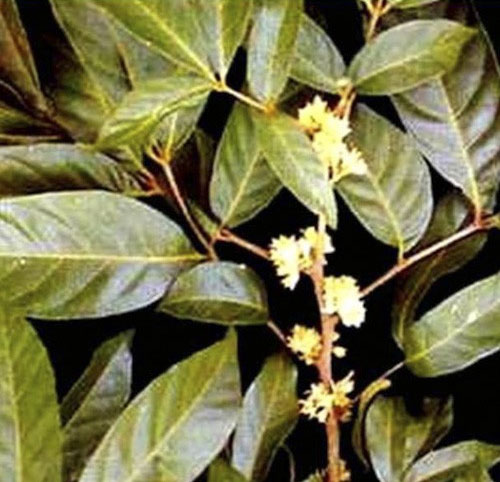
Muira Puama, a small plant, botanically termed Ptychopetalum olacoides, is a member of the Olacaceae family. It is endemic to the Brazilian Amazons and also found in the natural state in some parts of the Amazon rainforests. The other synonyms are Marapuama and Potency wood. All parts of the plant have some medicinal uses. The bark and the root of the plant consist of essential oil, fatty acids, plant sterols, and alkaloid. This tree bears small white flowers with a strong smell that resembles the flower jasmine. It is also termed the Viagra of the Amazon in some places due to its aphrodisiac property.
History
Muira Puama is one of the herbs that enjoy a rich and long history. It was highly prized in the Amazon regions for the medicinal properties contained in the bark and root of the tree. The natives of Brazil considered it as aphrodisiac for males and as an immunity enhancing tonic. In some cultures, it was used to treat dysentery and sexual inefficiency. In Europe it was highly used by the Herbalists to treat impotency, nerve pain, infertility and menstrual problems. It was used in Germany as a tonic for proper functioning of Central Nervous System.
Anatomy
Muira Puama is a bushy plant that attains a height of 14 feet, with leaves that grow about 3 inches long and 2 inches broad. The pale green leaves are attached to the stem with a small petiole. The flowers are small and white in color with a strong scent and usually grown in racemes, each consisting of 4 to 6 flowers. The fibrous roots that are strong, hard, large and wide.
Habitat
Muira Puama prefers a tropical climate and can be seen in areas with high moisture content. It is mostly found in the Amazon rainforest and other places in Brazil and Europe.
Soil
Muira Puama prefers a tropical climate and can be seen in areas with high moisture content. It is mostly found in the Amazon rainforest and other places in Brazil and Europe.
Planting
The seeds should be sown in a high fertile moist soil. It can be sown in pots and kept in the greenhouse. After it attains adequate height, it can be transplanted to a hot and humid environment.
Water
As required by other plants, Muria Puama also requires enough water to thrive. Basically, it prefers a moist environment and soil, hence watering regularly will be beneficial.
Temperature and Humidity
Usually grown in tropical climates, it prefers hot and humid climate to thrive along with plenty of moisture.
Uses
Muria Puama is an effective male aphrodisiac used since ancient times. It is believed to cure erection in men, enhance sensation and cures insufficiency in both the sexes. It is an effective medication for stress relieving, sexual functions, upset stomach, stimulating the nervous system, joint pain, menstrual problems and dysentery. It is also used as an energy boosting tonic and as an overall health tonic. It also cures gastrointestinal problems and trauma.
Harvesting
Usually grown in tropical climates, it prefers hot and humid climate to thrive along with plenty of moisture.
Dosage
Muria Puama is an effective herb used for a long time, but clinical evidence on the dosage of Muria Puama is lacking. After some experiments, it is stated that taking about1000 – 1500 mg diluted in a ratio of 4:1 can be used or 1 to 3 ml of the extract can be used daily two times. It is very effective when used as an extract included in the tea and tablets. In some experiments, it is stated that taking regular doses of about 1 to 1.5 grams of Muria Puama extract has shown a positive result in people having problem of loss of libido. Following the instruction regarding the doses provided on the label of tablets and extracts is recommended.
Side Effects
The only, possible side effect with the intake of Muria Puama in high doses is insomnia.

Having discovered a fondness for insects while pursuing her degree in Biology, Randi Jones was quite bugged to know that people usually dismissed these little creatures as “creepy-crawlies”.