Mint
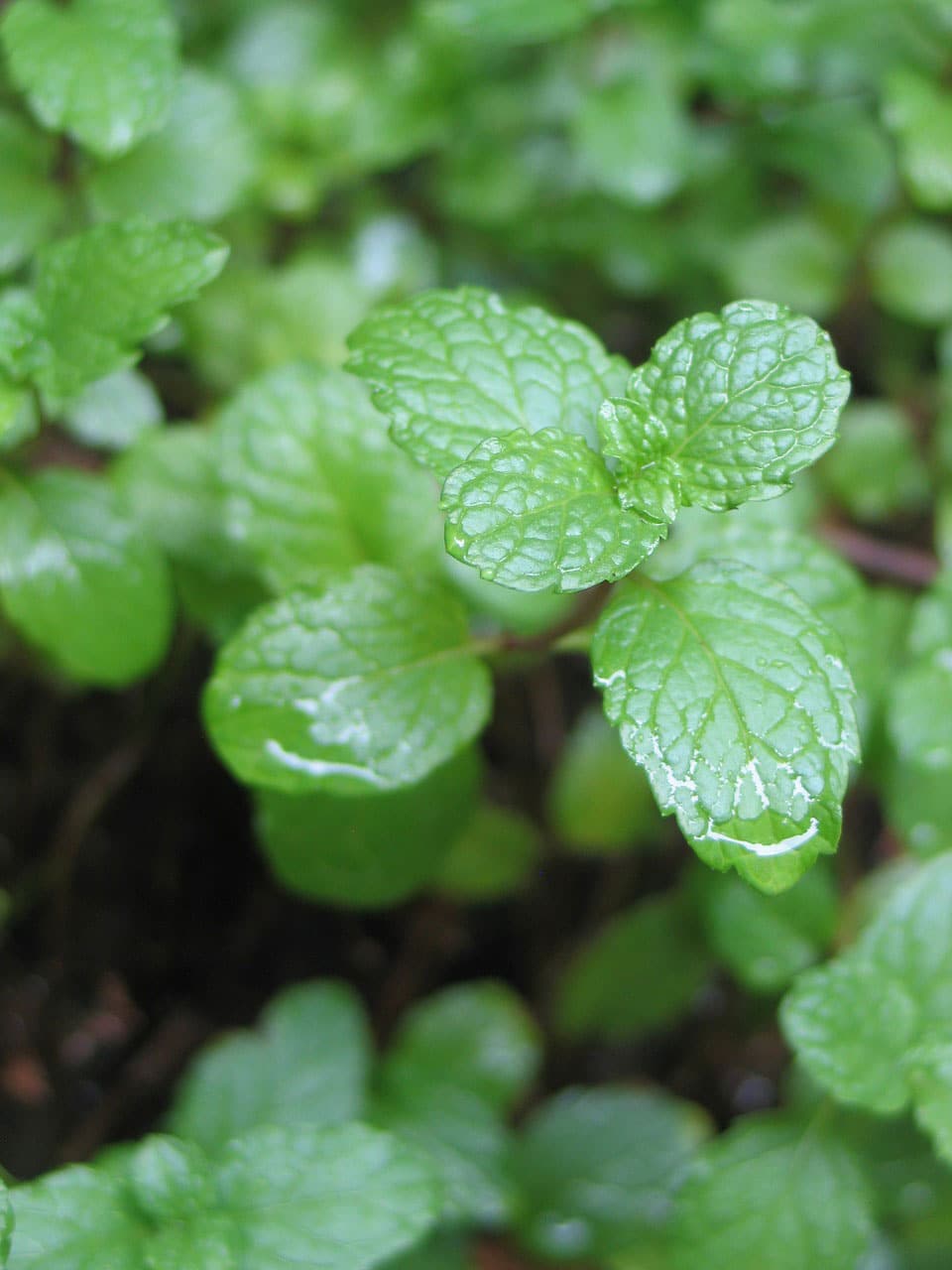
Mint is a fragrant herb in the genus Mentha, best known for its cool, fresh smell and taste. Peppermint and spearmint are the most famous kinds, and mint is used in teas, sauces, salads, candy and toothpaste all over the world.
Scientific Classification & Quick Facts
| Common name | Mint |
| Scientific name | Mentha |
| Kingdom | Plantae |
| Phylum | Tracheophyta |
| Class | Magnoliopsida |
| Order | Lamiales |
| Family | Lamiaceae |
| Type | Fragrant perennial herb |
| Habitat | Damp, cool, partly shaded spots |
| Colours | Purple and white flowers |
| Flowering season | June to September |
| Height | 10–120 cm |
| Edible parts | Leaves |
| Special feature | Spreads fast by runners above and below ground |
Where the Name Comes From
The word mint comes from the ancient Greek minthe and the Latin mentha. In a Greek myth, Minthe was a nymph who was turned into a sweet-smelling plant.
The Mint Family
Mints belong to the plant family Lamiaceae, often called the mint family. It includes many other favorite herbs, such as basil, rosemary, sage, oregano and thyme.
Botanists usually count somewhere between about 15 and 25 species of Mentha. The exact number is hard to pin down, because mints cross with each other very easily. Peppermint itself is a natural hybrid of spearmint and water mint. Gardeners have also created many cultivated varieties with different scents.
Anatomy
Mints are perennial herbs, meaning they come back year after year. They spread quickly using runners, which are stems that creep along or just under the ground and send up new shoots.
A great way to spot a member of the mint family is to feel the stem: it is square. The leaves grow in opposite pairs and are usually oval or lance-shaped with toothed edges. Depending on the kind, they can be bright green, dark green, gray-green, purple-tinged or even variegated with cream.
In summer, mints produce small white, pink or purple flowers arranged in rings or spikes around the stem. Bees and butterflies love them.
Habitat
Wild mints grow across Europe, Asia, Africa, Australia and North America. Many of them prefer damp places, such as stream banks, ditches and wet meadows. Depending on the species, mint can grow anywhere from about 4 inches to 4 feet (10 to 120 cm) tall.
Growing Mint at Home
Mint is one of the easiest herbs to grow, which makes it perfect for beginners and kids. The main challenge is stopping it from taking over.
Soil and Sun
Mint grows in full sun or partial shade. In hot climates, a spot with afternoon shade is best. It likes rich, moist, well-drained soil with a pH of about 6.0 to 7.0.
Planting
The easiest way to start mint is from a cutting. Snip a healthy stem about 4 to 6 inches long, remove the lower leaves, and place it in a glass of water. In a week or two, roots will grow, and you can plant it in soil. You can also buy small plants from a garden center.
Because its runners spread so fast, many gardeners grow mint in a pot. If you plant it in the ground, sink a bottomless bucket or pot into the soil around it to keep the roots from escaping.
Watering
Mint likes more water than many herbs. Keep the soil evenly moist but not soggy. Plants in pots dry out faster, so check them every day or two in hot weather, and water when the top of the soil feels dry. A layer of mulch helps hold moisture in garden beds.
Care and Feeding
Mint does not need much fertilizer. A little compost in spring, or a light liquid feed once a month in the growing season, is plenty. Too much fertilizer can make the leaves less flavorful.
Pinch off the tips of the stems often. This makes the plant bushier. Mint flowers from about midsummer to early fall. Trimming plants before they flower keeps the leaves tasting their best.
Pests and Diseases
Mint is a tough plant, but it can be bothered by aphids, whiteflies, spider mites, slugs and snails. A spray of water knocks off many small insects. A fungus called mint rust can cause orange spots on the leaves. Remove affected stems and give plants room for air to move.
Harvesting and Storing Mint
You can pick mint leaves whenever the plant is growing well. Snip whole sprigs just above a pair of leaves, and new shoots will grow from that point. For a big harvest, cut the stems back to about an inch above the soil, and the plant will regrow.
Fresh mint keeps for a few days in the refrigerator, wrapped in a damp paper towel or stood in a glass of water. To keep it longer, hang small bunches upside down in a dry, airy place, dry the leaves on a tray, or freeze chopped leaves in ice cube trays with water.
Uses and Safety
Mint is used in cooking, drinks and desserts around the world, from mint tea in Morocco to mint sauce in Britain. It has also been traditionally used to soothe an upset stomach. If you want to use mint for health reasons, ask a doctor first.
Mint oils are very strong and should not be swallowed. One species, pennyroyal, is toxic and should never be eaten or used on pets. Large amounts of mint can upset cats and dogs, so ask a vet before giving any to pets.
Varieties
- Peppermint (Mentha x piperita): strong and cool, used in candy and tea.
- Spearmint (Mentha spicata): milder and sweeter, popular in cooking and chewing gum.
- Corn mint or wild mint (Mentha arvensis): a widespread wild mint, also called Japanese mint or pudina in Hindi. A cultivated form called banana mint has a fruity smell.
- Water mint (Mentha aquatica): grows in wet places; orange or bergamot mint is a citrus-scented form of it.
- Apple mint (Mentha suaveolens): soft, fuzzy leaves with a fruity scent.
- Australian mint (Mentha australis) and slender mint (Mentha diemenica): wild mints from Australia.
- Canada mint (Mentha canadensis): a wild mint of North America and Asia.
- Pennyroyal (Mentha pulegium) and Hart’s pennyroyal (Mentha cervina): low-growing mints; pennyroyal is toxic if eaten.
Mint FAQs
What is mint?
Mint is a group of fragrant herbs in the genus Mentha. There are around 13 to 18 kinds, and some have naturally crossed to make new ones.
How tall does mint grow?
Mint grows from 10 up to 120 centimetres tall, depending on the kind. It has square, branching stems and leaves that grow in pairs.
Where does mint like to grow?
Mint loves damp soil and cool, moist places, often with partial shade. It also grows in bright sun if it gets plenty of water.
Why does mint spread so much?
Mint sends out stems, called stolons, above and below the ground. Gardeners pull up the unruly runners and pick the tips often to keep it under control.
How do you keep mint leaves fresh?
Keep fresh leaves in a plastic bag in the fridge for a few days. For longer storage you can air-dry them, use a food dehydrator or freeze them.

Randi Jones is the owner and founder of the Nature Gift Store, an online retailer specializing in nature-themed gifts, educational science projects, live animal nature kits and real butterfly artwork. A biology graduate who fell in love with insects, she founded the company in 2001 to make active learning about nature fun, accessible and engaging for children and adults. Her store offers real butterfly frames, home and garden decor and educational live animal kits, including ant farms, worm farms, tadpoles, ladybugs and hermit crabs, and she runs a bug museum in Washington featuring live animals like Eddie the Iguana alongside other reptiles and insects.