Milk Thistle

Scientific Classification & Quick Facts
| Common name | Milk thistle |
| Scientific name | Silybum marianum |
| Kingdom | Plantae |
| Phylum | Tracheophyta |
| Class | Magnoliopsida |
| Order | Asterales |
| Family | Asteraceae |
| Genus | Silybum |
| Conservation status | Least Concern |
| Type | Thorny annual or biennial herb |
| Habitat | Rich, disturbed soil; river banks; rocky scrub |
| Native range | Southern Europe and Asia |
| Colours | Red-purple flowers; glossy leaves with white veins |
| Flowering season | June to August (Northern Hemisphere) |
| Height | 30–200 cm |
| Special feature | Invasive in many countries |
Silybum Marianum, commonly known as milk thistle is a herbaceous annual or biennial plant belonging to the Asteraceae family. The other synonyms are blessed Milk Thistle, Cardus Marianus, Scotch Thistle, Variegated Thistle, Mediterranean Milk Thistle, Saint Marys Thistle, and Mary Thistle. Though it is found throughout the world now, it actually originated from regions belonging to Southern Europe and Asia. This beautifully flowering plant is an annual or biennial plant that bears attractive flowers in the red or purple shade with glossy leaves having dull green color and white veins. It is thorny vegetation found in the Mediterranean region where it develops as a scrub on the rocky substrates.
History
Milk thistle has a long, history dating back to 2000 years. The main purpose of this herb in those days was to treat the liver dysfunction. The early people of the middle ages found antidote properties in Milk Thistle that was useful for liver toxins. Dioscorides recommended the use of milk thistle for snake bites. Some Native Americans used this herb to treat boils and other diseases of the skin. Some homeopathic practitioners used milk thistle seeds as a main ingredient in medications for treating gallstone, bronchitis, jaundice and varicose veins.
Anatomy
Milk thistle is a flowering herbaceous plant that grows about 30-200 cm in length and has a base diameter about 160 cm. With a conical shape from top to bottom, it bears leaves that are glossy, ovate with tapering edges and oblong accompanied by white veins and shiny green color. The flowers bloom from June to August in the Northern Hemisphere and from December to February in the Southern Hemisphere in a red-purple shade. They grow about 4 to 8 cm in length.
Habitat
Silybum Marianum can easily thrive in rich and fertile soil which is usually seen near the river banks. It is an invasive plant seen near the southeast England coast, Iran, New Zealand, Australia and North America. It can also be found in the disturbed areas, sheep camps and any place with high nitrogen level in soil.
Soil
Milk thistle grows well in disturbed soil or fertile pastures with high nitrogen content. It can adjust in all types of soil, even clay soil, but does not prefer a light soil.
Planting
Milk thistle can be propagated by sowing seeds in cold climates. Directly sow the seeds in the soil when the temperature of soil is very low. Germination takes place at a day temperature of 10 to 30 degrees Celsius and night temperature of 2 to 15 degrees Celsius.
Water
As all the plants require water for a healthy growth, this plant too requires water but in a less proportion. Regular watering like, once a week is required if there are no rains.
Temperature and Humidity
Milk thistle seeds require less temperature for germination process. It will germinate at a temperature of 10 to 30 degree C. Fresh seeds require a cool climate to propagate, whereas the seeds stored in a refrigerator for 4-5 months propagate only in warm temperatures.
Care
Milk thistle should be planted at 1.5 m apart in a row and should be thinned to 60 cm. Regular pruning is not recommended, but a trimming of the flower stems will help to keep the plant bushy.
Pests and Diseases
Generally, there are no such harmful pests to harm the plant other than the caterpillars and snails seen on the foliage. Diseases like powdery mildew and botrytis have been reported in Australia.
Uses
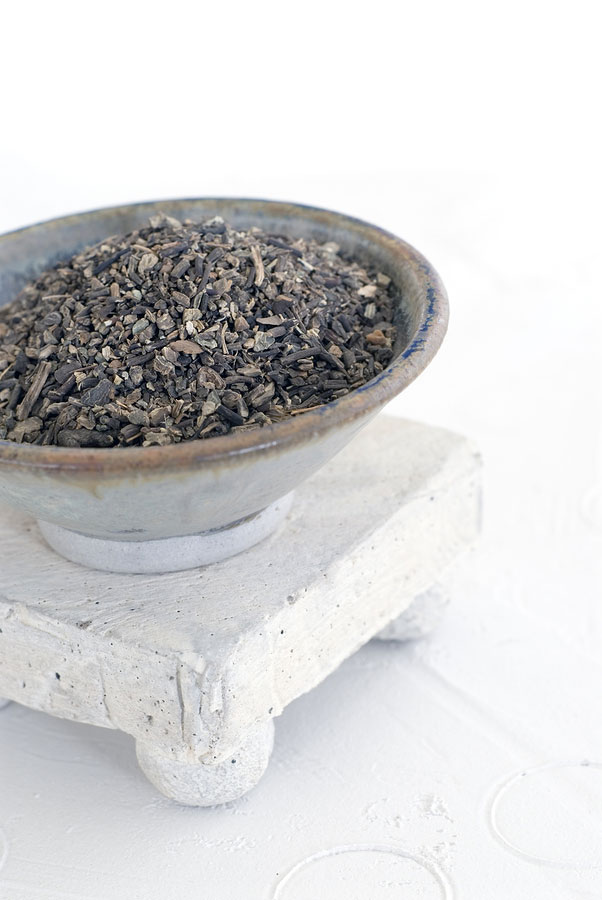
Milk thistle seeds are mainly used to make medicines. It has traditionally been used for liver problems, although there is limited evidence that it works. People have also used it to increase the milk flow in nursing women.
Milk thistle FAQs
Where does milk thistle come from?
Milk thistle comes from southern Europe and Asia. It grows as a thorny scrub on rocky ground in the Mediterranean, and is now found around the world.
What does milk thistle look like?
It has glossy, dull green leaves with white veins, and red-purple flowers 4 to 8 centimetres long. The plant is thorny.
How tall does milk thistle grow?
Milk thistle grows from 30 up to 200 centimetres tall.
Is milk thistle invasive?
Yes, in several places. It is invasive near the southeast English coast, Iran, New Zealand, Australia and North America, especially in disturbed ground with lots of nitrogen.
When does milk thistle bloom?
In the Northern Hemisphere it blooms from June to August. In the Southern Hemisphere it blooms from December to February.

Randi Jones is the owner and founder of the Nature Gift Store, an online retailer specializing in nature-themed gifts, educational science projects, live animal nature kits and real butterfly artwork. A biology graduate who fell in love with insects, she founded the company in 2001 to make active learning about nature fun, accessible and engaging for children and adults. Her store offers real butterfly frames, home and garden decor and educational live animal kits, including ant farms, worm farms, tadpoles, ladybugs and hermit crabs, and she runs a bug museum in Washington featuring live animals like Eddie the Iguana alongside other reptiles and insects.