Indoor Herb Garden
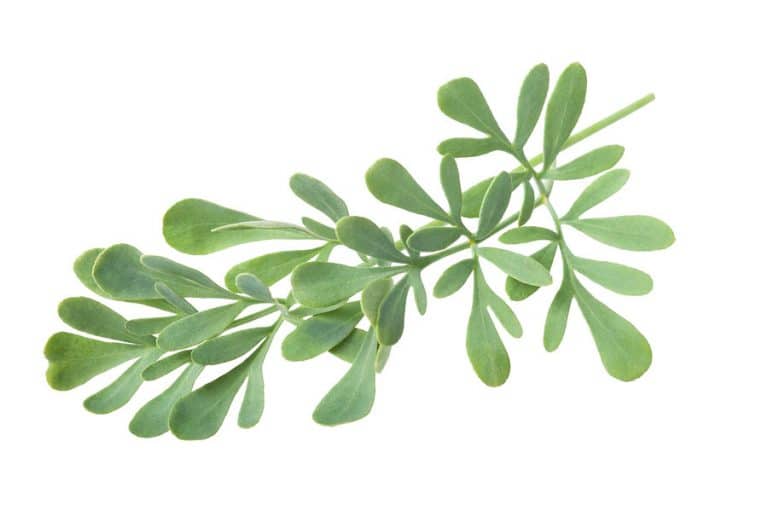
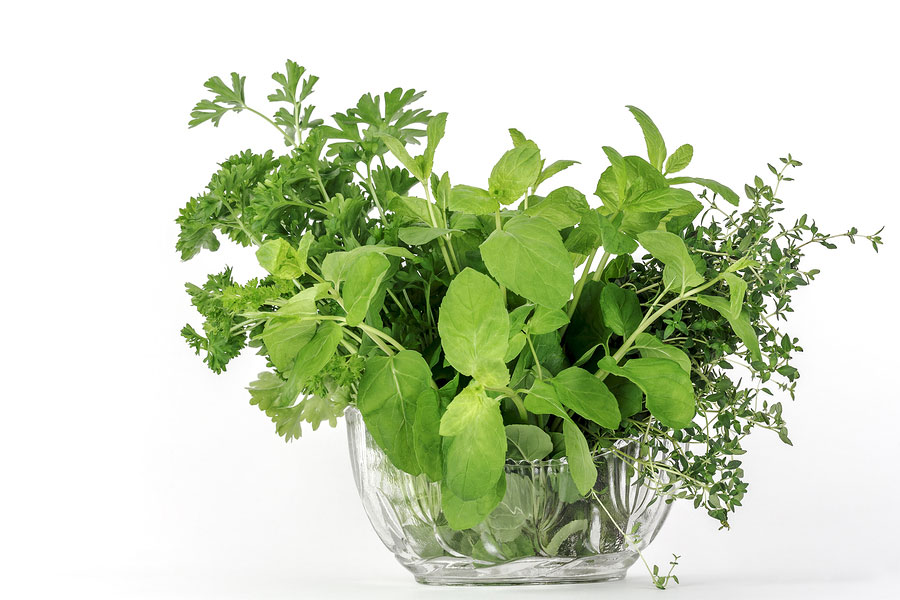
When there is snow outside and cultivation outside becomes impossible, you can grow some of the herbs inside as you can very well grow inside. If you are used to fresh herbs and you cannot grow them outside due to extreme winters, the best way to keep your food tasty with fresh herbs is to grow them indoors. You dont need any special lights for the herbs to grow indoors. You can keep them near the window and they will flourish there naturally if you use some techniques for indoor growth, and keep them happy until they can be planted outside. You know that everything fresh is healthy and tasty. If you are a lover of fresh foods, then, try to grow a maximum number of things in your home. The best part is that herbs can be grown in your kitchen garden, and you can, as well, grow them indoors also You can place a pot near the window where the plants get direct sunlight. 4 to 5 hours of sunlight is needed for them to grow healthy. Herbs like rosemary, basil, oregano, thyme, bay leaf, etc. can be grown inside. Herbs can be used fresh to keep the food tasty.
Rooting a Cutting
We can grow an indoor plant by taking a cutting from the existing plant and planting them in a small pot and placing them near the window where they can get enough of sunlight. Plants like rosemary, oregano, sage and basils can be grown inside the house. Cut a small piece of plant from the top, around 4 inch pieces and stick them in a pot with moist soil in it. Water them regularly and add a little manure. Sunlight is needed for them to grow well. If you want to ensure proper growth, cover the plant with a glass or plastic.
Transition Indoor
In case you have a lot of herbs growing in your kitchen garden, make sure you transfer them before the first snow hits them. Do not transfer them directly inside. Make sure you keep them in a transitional zone for some time. The enclosed porch, garage or the entry way that has shade can be used as a transition zone. You should keep the plants in the transition zone for some time. Once the plants get assimilated there, transfer them to a place with sunlight. Water the plants and dont allow them to dry.
Water, Light and Temperature
Herbs need good moisture to survive. But there feet should not be wet all the time. The herbs will grow well in soils that have good drainage. If the pot is dry on the top make sure you wet them with water and spray water very frequently. Lift the pot and if the pot is very dry you can understand that there is no water in the pot. Add sand in the pot to assure that there is water drainage in the pot. You have to keep a balance between temperature, water and light. Pots that are kept near to the window need more water, than those kept inside.
Start Feeding your Plants After 10 Days
After ten days of planting the herb in a pot you should start feeding the plant with 16-16-16 fertilizer that is the best manure for the herbs.
The Substrat
In the initial stage, to keep the growth in control, make sure you mix only the nutrients that are needed. Never add too much manure; this will kill the plant. Make a mixture of 1 part of Perlite and 2 parts of care in it. To this, add 20 percent of worm casting. You need to adjust the pH in accordance to the need. Add 1 GM of kelp meal for each of the gallon of solid. Now to the soil, add plant hormones. Use the mixture whenever you need to transplant the plant.
Having discovered a fondness for insects while pursuing her degree in Biology, Randi Jones was quite bugged to know that people usually dismissed these little creatures as “creepy-crawlies”.