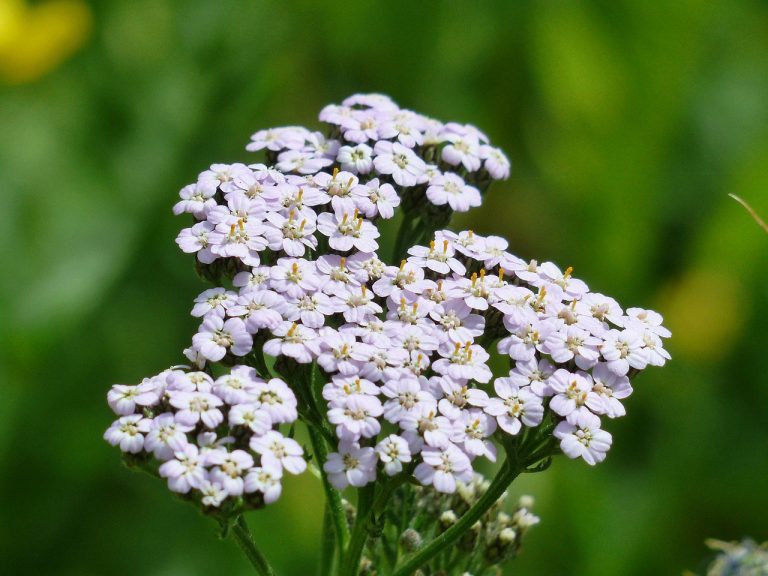
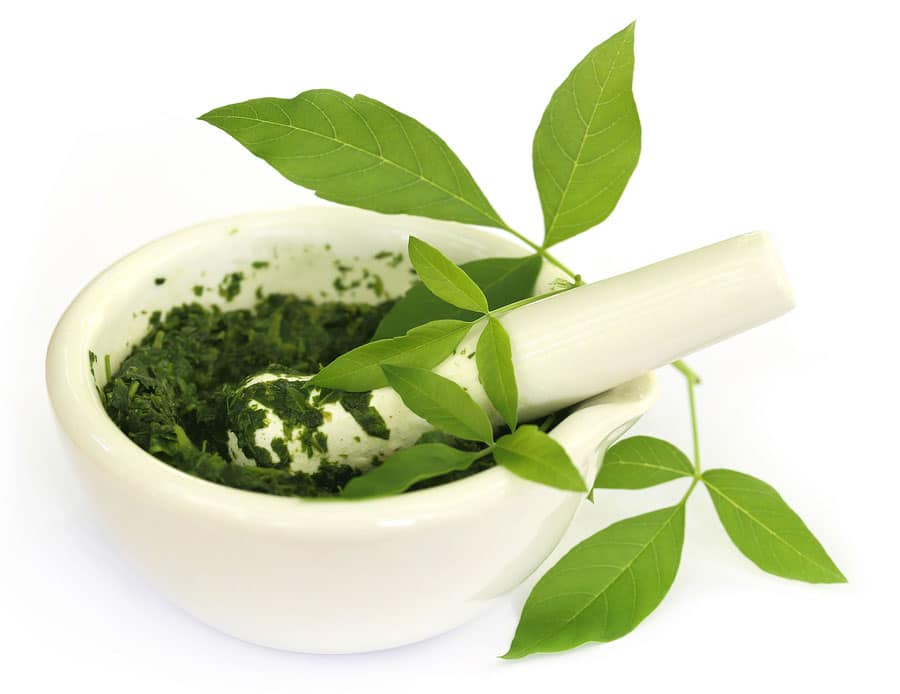
Agnus Castus – Vitex
Scientific Classification
| Kingdom: | Plantae |
| (unranked): | Angiosperms |
| (unranked): | Eudicots |
| (unranked): | Asterids |
| Order: | Lamiales |
| Family: | Lamiaceae |
| Genus: | Vitex |
| Species: | V. agnus-castus |
| Binomial name: | Vitex agnus-castus |
Over 2000 years ago a plant known as Agnos was described by the Greeks of the ancient time, and continued to be quite common throughout the Renaissance and the middle ages, and is sold under the same name in the European herb market. This herb was famous among the common man for its healing power for curing multiple ailments. The history of herbal medicine is continuous in Europe, but in the United States, the history is different. Agnus cactus or the Vitex is usually considered here to provide great relief to the symptoms that are related to female hormonal issues and imbalances and symptoms related to amps, mood swings, depression, weight gain, and water retention. In Europe, herbalists and doctors prescribe extracts of the Vitex to cure health ailments related to the uterus and any fibroid and cysts in the uterus. They also help to reduce the problems of menopause.
History
Since ancient times people have used Salvia officinalis for snake bites, driving away evil, and boosting female fertility and much more.
Anatomy
Epidermal cells or different types or trichomes (hair like structures on the leaves) are included in the anatomy of the petiole and Petiolule Ssp in the Vitex. On the side of the petiole, you can find the colenchyma (tissues found under the epidermis), followed by different layers of angular Chlorenchyma (cells responsible for photosynthesis).
Habitat
The vitex is a bush and they are found all over Asia and in the Mediterranean regions. They are also seen in the North West India. They grow well in areas near the banks of rivers and near the coastal areas where they grow dense and thick.
Planting
They grow Vitex in areas where the soil is moist, well drained, and where the sun is in full flow. This plant has a tendency to die in winters in the ground during winter season. The root of the plant survives the winter and grows up to 5 inches and they survive to the next year. Flowering happens when the plant grows. The shrubs can be pruned well to the ground during the spring and they also grow like a herbaceous perennial.
Soil for Planting
These shrubs can grow in light sandy and loamy soils. They prefer soils that are well drained and can also grow in soils that are poor in nutrition. They can grow well in acidic as well as alkaline soils, dry or moist soils, but need sunlight to grow; shade is not suitable. . Soils that are rich in organic content is suitable for the Vitex plant. The beach Vitex can grow in coastal areas as it can tolerate salt. They can handle salt well. The vortex can grow in soils that are average and they grow into their best if they are watered regularly. As they are native to Africa they can grow in drought and also grow in areas that are dry. The Vitex are healthy plants and grow well in any form; wet of dry they tend to grow well.
Uses
The Vitex plant is a traditional plant and there are many uses for them. They were found in many parts of Africa. This is not a fruit plant. The Vitex plant has a great potential to foster developments in the rural areas. They boost food security, and they also need sustainable support. The stem and the leaves grow up to 10 cm and the leaves also grow as big. They grow along with the flowers and when the seeds ripen and they are harvested for the medicinal purposes. There is a way to harvest the berries. You have to rub the berries and loosen them from the stem and harvest them. The leaves and the berries of the Vitex can be used as a tincture and may be consumed as a decoction. They can be used as cider vinegar or they can be used as syrup and they can be consumed straight from the tree as a medical food. There are ways by which the berries have to be consumed. The best way to consume the vitex is as a fluid extract. This fluid is said to interact with the hormones and they are very effective. This herb works as a tonic for the reproductive system of both male and the female. Even the leaves have the same effect, but one a lesser grade.
Flowering and Maturing Care
The Vitex plant grows very well when the sun is in full swing and they also grow when the soil is well drained.
Pests and Pesticides
The pests don’t harm the tree much. At most, what the pests can do to the plant is to shred the leaves of the plant. If the soil is too moist, then root-rot can cause problems.
Temperature
The temperature has to be high for extraction of the phenolics from the Vitex plant.. The temperature has to be more than 100 to 180 degrees. The extraction method has to be under the nitrogen and the solvent has to be methanol. The temperature has to be between 100 and 140 degree Celsius for optimal extraction which takes about 60 minutes under controlled temperature, while the conventional extraction at room temperature would take about 2 hours.

Having discovered a fondness for insects while pursuing her degree in Biology, Randi Jones was quite bugged to know that people usually dismissed these little creatures as “creepy-crawlies”.