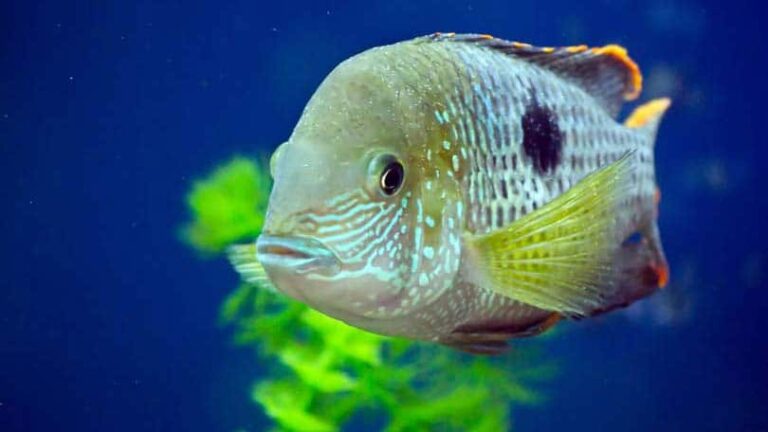
Goldfish: Facts, Types, Care & Life Cycle for Kids

Quick answer: Goldfish (Carassius auratus) are small freshwater fish in the carp family, bred from wild carp in China over a thousand years ago. They come in many colors and shapes, eat plants and small animals, and can live 10 to 20 years or more with good care.
A goldfish is a small freshwater fish that people have kept as a pet for more than a thousand years. Its scientific name is Carassius auratus, and it belongs to the carp family, which makes it a cousin of the much larger koi fish. Goldfish do not exist naturally in the wild in their bright colors. People created them by slowly breeding plain, silvery-gray wild carp in China.
Goldfish Quick Facts
| Common name | Goldfish |
| Scientific name | Carassius auratus |
| Kingdom | Animalia |
| Phylum | Chordata |
| Order | Cypriniformes |
| Family | Cyprinidae |
| Genus | Carassius |
| Conservation status | Least Concern |
| Type | Fish (carp family) |
| Origin | Domesticated in China from wild carp |
| Diet | Omnivore: plants, algae, insects, small crustaceans |
| Size | About 4 to 10 inches; some single-tails over 1 foot |
| Lifespan | 10 to 20+ years with good care |
| Babies | Fry, hatched from eggs |
Today goldfish are among the most popular pets in the world. They come in dozens of shapes and colors, from sleek pond fish to round, wobbly fancy types with puffy heads or bubble-like eyes. With good care, a goldfish can live far longer than most people expect, so it is worth learning what these fish really need.
Where Goldfish Came From
Long ago in China, people noticed that some wild carp had unusual orange or yellow scales instead of the normal dull color. Buddhist monks and other keepers often let these fish live in ponds rather than catching them for food. Over time, people began collecting the brightest fish and breeding them together.
During the Song dynasty, about a thousand years ago, golden fish were being kept in ornamental ponds. Later, keepers started raising them in bowls and containers indoors, which let them pick out fish with new body shapes and fin types. Goldfish reached Japan around the 1500s, arrived in Europe in the 1600s and became common in the United States by the late 1800s.
Because goldfish were shaped by people choosing which fish to breed, they are a domesticated animal, just like dogs, cats and chickens.

Body and Colors
A goldfish has a body covered in overlapping scales, a set of fins for steering and balance, and gills for breathing oxygen from the water. Along each side runs a lateral line, a row of special sensing cells that feel tiny movements and vibrations in the water.
Goldfish have some surprising features:
- No eyelids: goldfish cannot close their eyes, so they rest with them open.
- No true stomach: food passes straight into a long intestine, which is why small meals are better than one big one.
- Teeth in the throat: instead of teeth in their mouths, goldfish have grinding teeth at the back of the throat called pharyngeal teeth.
- Great color vision: goldfish can see more colors than people, including ultraviolet light.
Despite the name, goldfish are not only gold. They can be orange, red, yellow, white, black, blue-gray, brown or a mix of colors. Calico goldfish have patches of several colors with speckles. Baby goldfish are usually dull brown or bronze at first and change color as they grow, and some goldfish keep changing color throughout their lives.
Types of Goldfish
There are hundreds of goldfish varieties, but they fall into two main groups: single-tail goldfish and fancy goldfish.
Single-Tail Goldfish
Single-tail goldfish have long, streamlined bodies and one tail fin, much like their wild ancestors. They are fast, strong swimmers and can grow quite large. Common examples include:
- Common goldfish – the classic orange fish, often sold as a pet or for ponds
- Comet goldfish – similar to the common goldfish but with a long, deeply forked tail
- Shubunkin – a single-tail goldfish with calico colors and blue patches
Fancy Goldfish
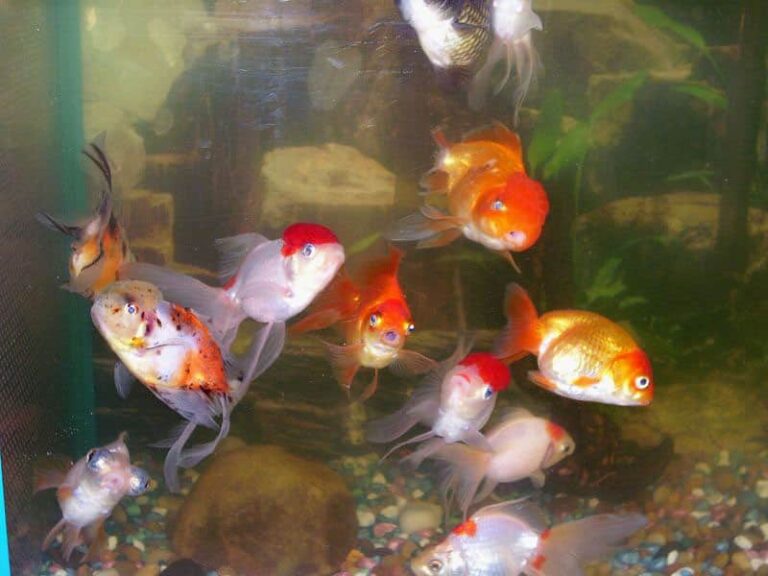
Fancy goldfish have short, round or egg-shaped bodies and usually a double tail. They swim more slowly, so they do best in aquariums where they do not have to compete with faster fish. Popular types include:
- Fantail goldfish – an egg-shaped body with a split, fan-like tail
- Oranda goldfish – known for the soft, bumpy hood (called a wen) on its head
- Ryukin goldfish – a deep body with a raised hump behind the head
- Black moor goldfish – velvety black with telescope eyes that stick out from the head
- Bubble eye goldfish – has no back fin and large, fluid-filled sacs under its eyes

How Big Do Goldfish Get and How Long Do They Live?
Many people think goldfish stay tiny, but that is only because they are often sold young. A healthy common goldfish living in a large tank or pond can grow to around 6 to 10 inches long, and some single-tail goldfish grow longer than a foot. Fancy goldfish usually stay smaller, often reaching about 4 to 8 inches.
Goldfish also live a long time. With clean water, enough space and a good diet, many pet goldfish live 10 to 15 years, and some live past 20. Guinness World Records lists a goldfish named Tish from England that lived to 43 years old, though that is extremely rare. Goldfish kept in small bowls or dirty water usually live only a short time. Our guide to goldfish lifespan and growth explains what helps them live longer.
Do Goldfish Really Have a 3-Second Memory?
No. The idea that a goldfish forgets everything after three seconds is a myth. Scientists have shown that goldfish can remember things for weeks or even months. In experiments, goldfish have learned to push levers, swim through simple mazes and respond to sounds or colors to get food.
Pet goldfish often learn who feeds them. Many will swim to the front of the tank and “beg” when their owner walks into the room, and some can be trained to follow a finger or eat from a hand.
What Do Goldfish Eat?
Goldfish are omnivores, which means they eat both plants and animals. In ponds they nibble on algae, water plants, insect larvae, tiny worms and small crustaceans. Pet goldfish do well on:
- Goldfish flakes or sinking pellets made for goldfish
- Small amounts of blanched vegetables, such as peas with the skin removed or spinach
- Occasional treats such as brine shrimp or bloodworms
The most common mistake is overfeeding. Goldfish will act hungry all the time, but extra food rots and dirties the water. Feed only what they can eat in a couple of minutes, once or twice a day. You can compare different options in our guide to types of fish food.
Goldfish Care Basics
Goldfish are hardy, but they are not the easy “starter fish” many people think. They eat a lot and produce a lot of waste, so they need plenty of clean water. For a full how-to, see our goldfish care guide. Here are the basics:
- Skip the small bowl. Bowls are far too small and have no filter. A single fancy goldfish needs a tank of at least 20 gallons, with more space for each extra fish. Single-tail goldfish grow so large that they are best kept in big tanks or outdoor ponds.
- Use a good filter. A filter keeps water moving and cleans out waste. Change part of the water regularly, too.
- Cycle the tank first. Helpful bacteria must grow in the filter before fish are added. Learn how in our page on the nitrogen cycle in an aquarium.
- Use a water conditioner. Tap water often contains chlorine, which harms fish.
- Choose tankmates carefully. Goldfish like cooler water than most tropical aquarium fish, so they are usually best kept with other goldfish.
- Ask a vet who treats fish if your goldfish looks sick, floats oddly or stops eating.
If you are just starting out, our guides to buying an aquarium and setting up an aquarium walk through choosing and preparing a home for your fish.
Never Release Goldfish Into the Wild
Never let a pet goldfish go in a lake, river or stream. Released goldfish can grow huge, breed quickly and stir up mud while they feed. This clouds the water, harms water plants and leaves less food for native fish. In many parts of North America, Australia and Europe, goldfish have become an invasive species. If you can no longer keep a goldfish, find it a new home through a pet store, a fish club or another keeper.
The Goldfish Life Cycle
Like most fish, goldfish hatch from eggs and go through several stages as they grow. Our page on the fish life cycle shows how this compares with other fish.
- Egg: In spring, as the water warms, a female lays hundreds or even thousands of sticky eggs on plants, and males fertilize them. The eggs usually hatch in about 4 to 7 days, faster in warmer water.
- Fry: Newly hatched babies, called fry, are tiny and see-through. They first live off a yolk sac, then start eating microscopic food.
- Juvenile: Young goldfish look like small adults but are usually brownish or bronze. Over the following weeks or months, many slowly change to orange, red, white or other colors.
- Adult: Goldfish are usually able to breed at about 1 to 2 years old. Males develop tiny white bumps on their gills and fins during breeding season.

Adult goldfish will eat their own eggs and fry, so people who raise baby goldfish move the eggs to a separate tank. You can read more in our guide to goldfish breeding.
Fun Facts About Goldfish
- Goldfish were among the first fish ever domesticated, and the most famous pet fish on Earth.
- The name auratus comes from Latin and means “gilded” or “golden.”
- Goldfish can tell the difference between shapes, colors and sounds.
- A goldfish has no stomach, so food moves through its body quickly.
- Goldfish can survive in cold ponds in winter by slowing down and resting near the bottom, as long as the pond does not freeze solid.
- Some fancy goldfish, like the bubble eye, have been bred to look so unusual that they could never survive in the wild.
Why Goldfish Are Worth Learning About
Goldfish show how people can change an animal over many generations simply by choosing which ones to breed. They are also clever, long-lived pets that deserve a proper home. Give a goldfish plenty of space, clean water and the right food, and it can be a family companion for many years.
Goldfish FAQs
How long do goldfish live?
Many pet goldfish live 10 to 15 years with clean water and enough space, and some live past 20. Goldfish kept in small bowls usually live much shorter lives.
Can goldfish live in a bowl?
A bowl is too small and has no filter, so the water quickly becomes dirty. Goldfish need a filtered tank of at least 20 gallons for one fancy goldfish, or a pond for large single-tail types.
Do goldfish really have a 3-second memory?
No. Experiments show goldfish can remember things for months and can learn to respond to sounds, colors and the person who feeds them.
What do goldfish eat?
Goldfish are omnivores. Pet goldfish do well on goldfish flakes or pellets plus small amounts of vegetables like peeled peas, fed only as much as they can eat in a couple of minutes.
Can I release my goldfish into a pond or lake?
No. Released goldfish can grow large, breed quickly and harm native fish and plants, and they are invasive in many places. Rehome an unwanted goldfish through a pet store or fish club instead.

Randi Jones is the owner and founder of the Nature Gift Store, an online retailer specializing in nature-themed gifts, educational science projects, live animal nature kits and real butterfly artwork. A biology graduate who fell in love with insects, she founded the company in 2001 to make active learning about nature fun, accessible and engaging for children and adults. Her store offers real butterfly frames, home and garden decor and educational live animal kits, including ant farms, worm farms, tadpoles, ladybugs and hermit crabs, and she runs a bug museum in Washington featuring live animals like Eddie the Iguana alongside other reptiles and insects.