Dragonfly Life Cycle
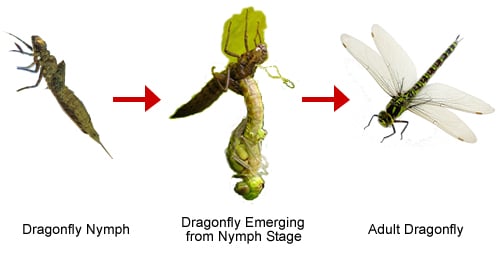
A dragonfly has a life span of more than a year, but very little of that life is actually as an adult dragonfly. There are three stages of the dragonfly life cycle, the egg, the nymph, and the adult dragonfly. Most of the dragonfly life cycle is lived out in the nymph stage and you don’t see them at all unless you are swimming underwater in a lake or pond with your eyes opened, of course.
Print a Dragonfly Life Cycle Coloring Page
The Egg Stage
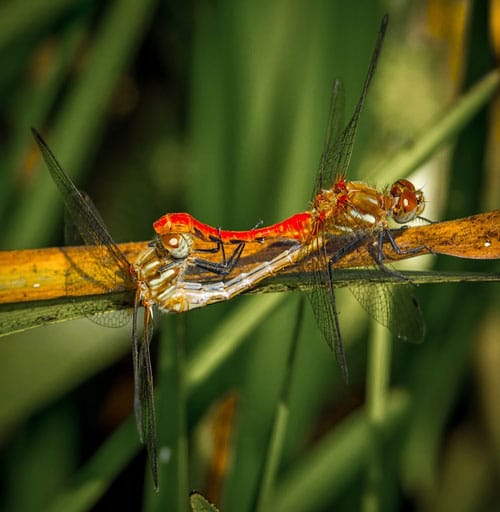
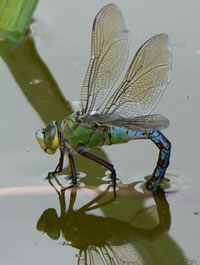
A male and a female dragonfly will mate while they are flying in the air. After two dragonflies mate, the female dragonfly will lay her eggs on a plant in the water, or if she can’t find a suitable plant she will just drop them into the water.
The Nymph Stage
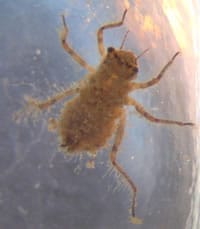
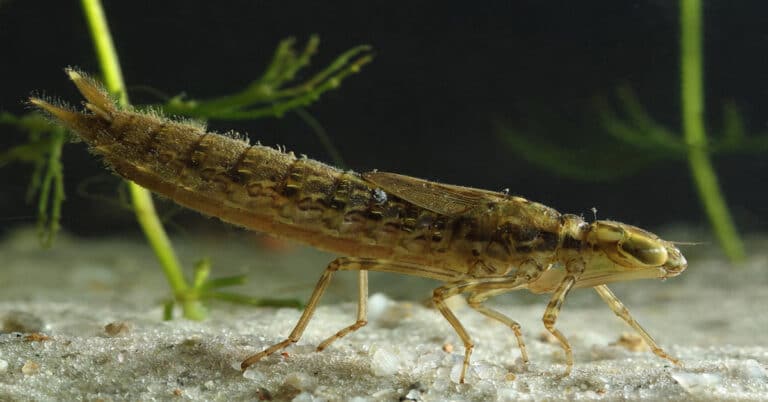
Once the dragonfly eggs hatch, the life cycle of a dragonfly larva begins as a nymph. A nymph looks like a little alien creature. It hasn’t grown its wings yet and has what looks like a crusty hump hanging onto its back. Dragonfly nymphs live in the water while they grow and develop into dragonflies. This portion of the dragonfly life cycle can take up to four years to complete, and if the nymph cycle is completed in the beginning of the wintertime, it will remain in the water until spring when it is warm enough to come out.
Dragonfly nymphs live in ponds or marshy areas because the waters are calmer than in a stream or river. Sometimes they can be found in the calmer backwaters of rivers, too. Dragonfly nymphs may eat smaller dragonfly nymphs as they develop.
The Adult Dragonfly Stage
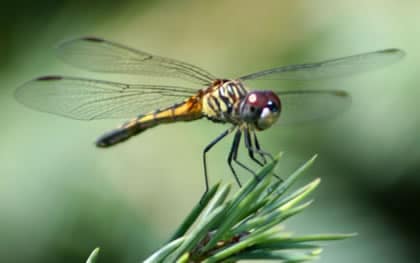
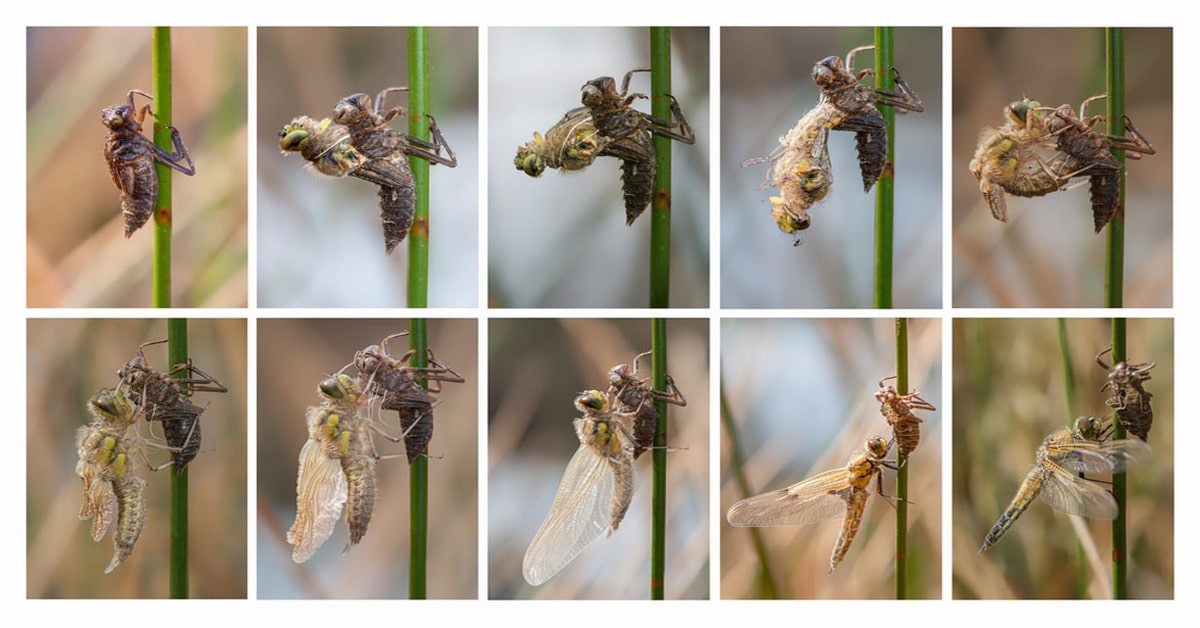
Once the nymph is fully grown, and the weather is right, it will complete the metamorphosis into a dragonfly by crawling out of the water up the stem of a plant. The nymph will shed its skin onto the stem of the plant and will then be a young dragonfly. The skin that the nymph left behind is called the exuvia and you can find the exuvia still stuck to the stem for a long time after the dragonfly has left it.
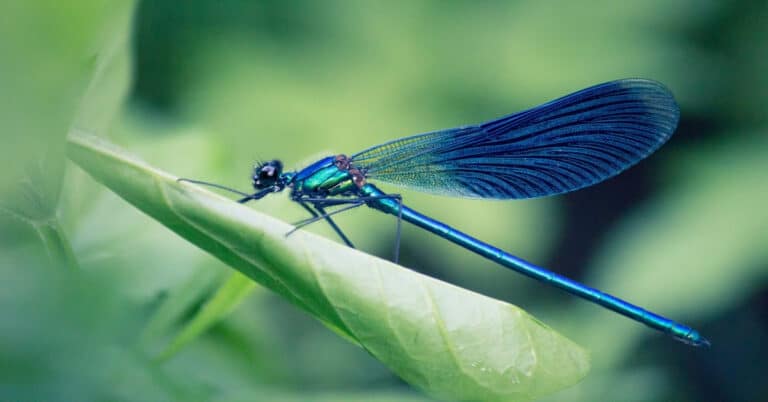
Once the dragonfly leaves the exuvia it is a full grown dragonfly. The dragonfly will hunt for food and begin to look for a mate. Once the dragonfly finds a mate, the female will find a body of calm water that will be a good place to lay her eggs, and the life cycle of the dragonfly begins all over again. Adult dragonflies only live about two months.
You can also find out about the butterfly life cycle, frog life cycle and ladybug life cycle and more information across Learn About Nature.
Dragonfly Life Cycle and Biology Links
| Dragonfly – Order Odonata Brief article by Judi Manning, summarizing their history, life cycle, and biology. Dragonfly Nymphs Drawings and a brief description. |

Having discovered a fondness for insects while pursuing her degree in Biology, Randi Jones was quite bugged to know that people usually dismissed these little creatures as “creepy-crawlies”.