Legless Lizard
Scientific Classification
| Kingdom: | Animalia |
| Phylum: | Chordata |
| Class: | Reptilia |
| Order: | Squamata |
| Suborder: | Gekkota |
| Infraorder: | Pygopodomorpha |
| Family: | Pygopodidae |
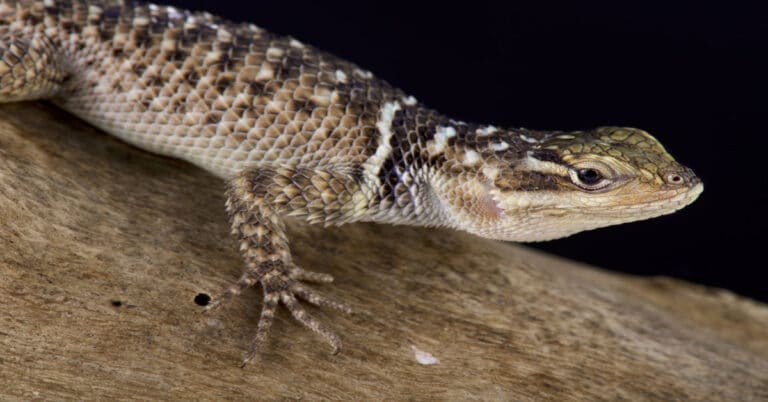
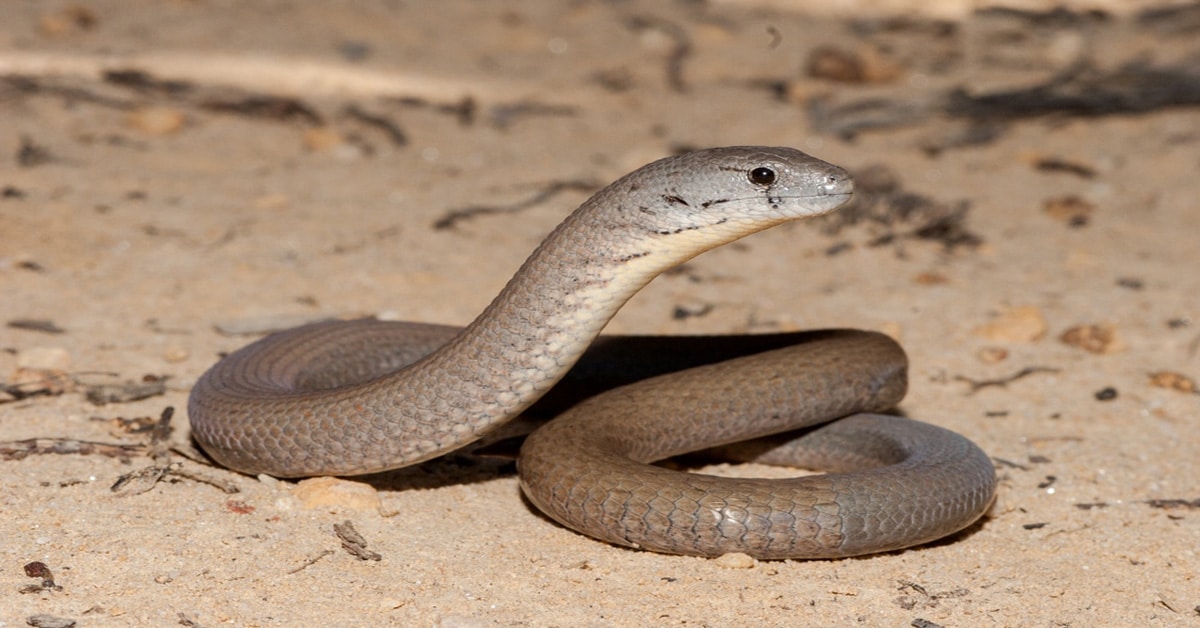
The Legless lizard belongs to the minor category of lizard species that have evolved to a stage where their limbs do not function. It is the general name given to the family Pygopodidae and generally refers to other groups, which are based upon their geographical locations, the limbless anguids. Despite this, the Legless lizard preserves free-floating leftovers of a hipbone and tiny tips of hind legs! A different name for the European legless lizard is the glass lizard. A myth about this glass lizard is that in case you shake a glass lizard, it shatters into bits, the same way as a glass breaks.
Anatomy
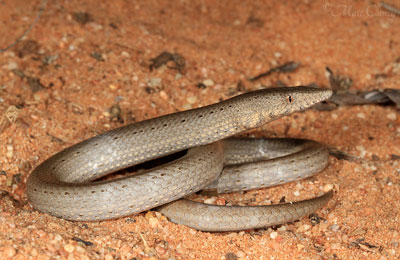
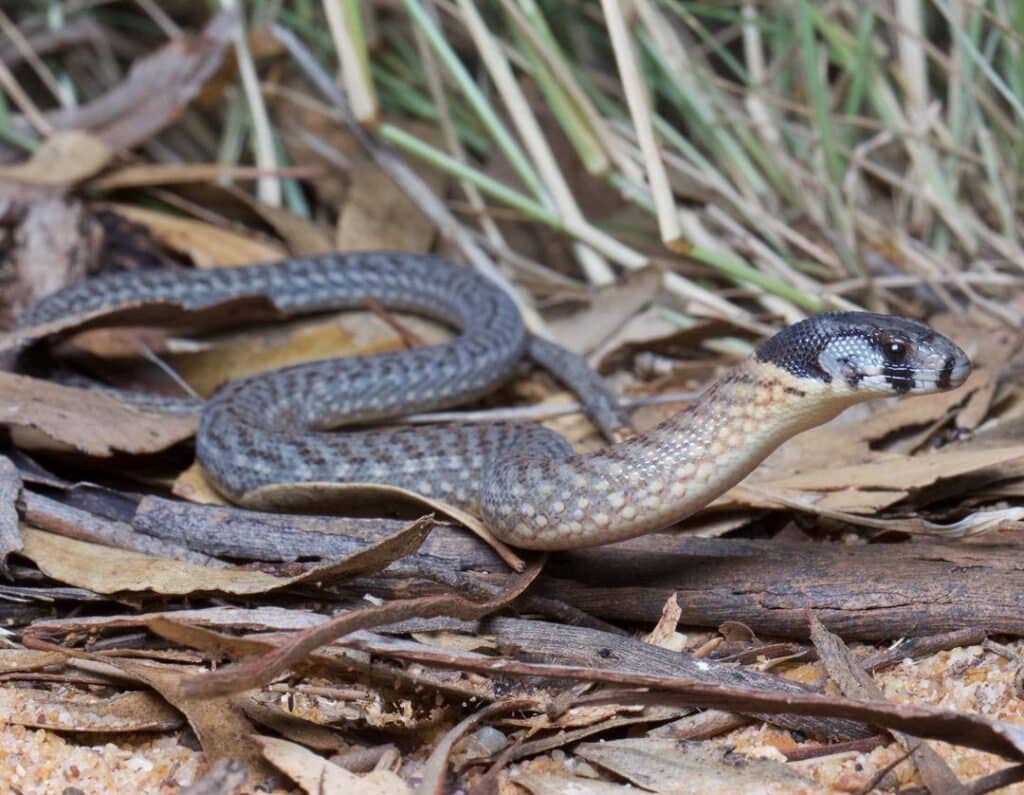
You can discriminate these lizards from the snake by the following features: -They have ears opening externally, they have eyelids. They do not have broad belly scales on them and the lizards may or may not have a very long tail (whereas snakes have a short tail and a long body). They bear a resemblance to a snake because of the absence of legs and of the pointed snout which aids it in moving across the largely sandy soil naturally created by the erosions.
Behavior
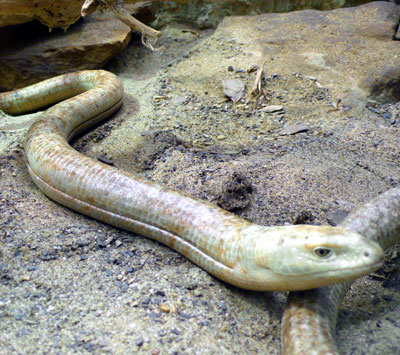
The Legless Lizard has features of its own and it is an inevitable member of the animal kingdom. The other names by which they call it are: the European Glass Lizard, Glass Lizard or European legless lizard. The Giant Legless Lizards possess exceptional traits that you can read here. You will most frequently see them in arid rocky areas. They fancy building their homes on stone walls, rocky hills or pile of stones. This Giant Legless Lizard becomes energetic following the rains. These reptiles are diurnal, meaning they hunt for food at day, and also at other parts of the day. It is on the ground that they do all their hunting.
Habitat
Legless Lizard is spread throughout the breadth of Australia, but you do not see them along the southern parts of Australia which include Tasmania. You can also find them in Papua, New Guinea, even though their population is confined to a limited area.
As a Pet
At a glance the European Legless Lizards will explain their difference from other species of legless lizard. They grow to a length of more than 4 feet, they have high intelligence, a big head and very good appetite! Quite different from their smaller kith and kin, you can easily handle European Legless Lizards (otherwise known as Sheltopusiks and at times Giant Glass Lizards). They make robust captives and they are immune to most diseases.
Breeding
Within the age of 2 or 3 years, these breeding female legless lizards become sexually mature. A unique trait of these species is that, 50% the population are egg layers and the remaining 50% deliver young ones.
Housing
You would do well to provide a 40 gallon terrarium for a medium-sized adult (3-4 feet in length), the advantage of this sized terrarium is that, it is big enough to accommodate a pair of similar sized lizards without being crowded. Bigger sized lizards will require a larger enclosure of 55 gallons with more floor spacing than height. These fellows are throughout either on the ground or underground, hence consider this while selecting your terrarium.
Make sure to arrange a tight fitting lid (probably with lock) because they are rather sturdy for their size as well as great escapists!
Food
Consider carefully the size of the prey you feed them with, for, they consume whatever ‘flesh’ you feed them. It is obvious that they are not as “elastic” as snakes. Particularly their jaws are “hinged” unlike the snakes; hence it is not possible for them to consume any food item that bigger than the space between their eyes, even though when they are extremely hungry, they will try to consume anyhow.
They consume katydids, grasshoppers, sized raw chicken, minced meat, as well as cat food (pate-style). However, when they consume cat food their waste has a very foul stink, hence it is better not to feed your pets with cat food. Minced meat contains a lot of fat, therefore feed them only sparingly with minced meat, for this variety of lizards tend to become obese while in captivity. The normal thumb rule regarding their diet is 25-40% “meat” and 60-75% insects.
Handling
For the people that have a special interest, a pet legless lizard can make a fantastic pet for them. Be cautious that even though those guys we catch in the wild adjust themselves comfortably in captivity there are a few who might surprise the owner with his pranks.
Having discovered a fondness for insects while pursuing her degree in Biology, Randi Jones was quite bugged to know that people usually dismissed these little creatures as “creepy-crawlies”.