Setting up an Aquarium
When you’re setting up an aquarium, the first thing you will need to determine is which kinds of fish you wish to keep. The aquarium and supplies you choose will need to support the needs of your fish. If you are choosing relatively small, community fish, you will need one gallon of water for every inch of fish. Remember to consider the adult size of your fish; otherwise, they will end up crowding the tank as they grow. If you are choosing larger fish, such as those that grow to be at least 6 inches long, consider the specific requirements of the fish species when choosing a tank size.
Next, you’ll need a heater. Each species of fish has a certain temperature requirement. Most tropical fish live at between 72 and 78 degrees Fahrenheit, or slightly warmer than room temperature. You will need a heater that is large enough for the tank; a good rule of thumb is 5 watts per gallon of water. Look for a heater with a dial thermostat marked with temperature numbers; others have dials that are not marked with the actual temperature. Still, you’ll need a good thermometer to test the actual temperature of the water; never rely on the heater setting to determine how warm the water is. Always unplug the heater before doing a water change that will bring the water level lower than the top of the heater; the heater should never be taking in air.
Your next step is lighting. There is a wide variety of aquarium lighting available; your choice depends on the size of the tank, the type of fish, and whether you have chosen to plant your tank with real plants.
Now, you’ll need a way to filter the water. Most fish need a filter in their tank; only a few species will thrive without one. There are different types of filters available; your choice depends on the size of the tank and the types of fish you plan to keep. If you have a tank with real plants, do not use a filter that fits over the side of your tank. Instead, use an undergravel filter, which lays on the bottom of the tank, along with a gravel vacuum.
You’ll need a substrate to go on the bottom of the tank; sand, pea gravel, or rocks are popular choices. A good rule of thumb is 1 pound of substrate per gallon of water; this should make a layer about 2-3 inches deep on the bottom of the tank. Bigger rocks require routine cleaning because debris such as uneaten food and wastes sinks easily to the bottom of the tank. If you decide to use sand, you’ll need to stir it frequently so that bacteria does not grow in it.
Decor may seem like simply decoration, but it’s actually beneficial for the health of your fish. Decor gives the fish something in which they can hide. Too much decor can limit your fish’s swimming space, especially for large fish, but too little decor can stress them out because they have nowhere to hide. Popular choices include resin or plastic molded decorations; driftwood or real rocks are also available. Driftwood does require some special care, and should be purchased from an aquarium supplier. Driftwood that has not been pre-sunk may float to the surface of your tank; if it has not been prepared specially for tank use, it will turn the water the color of dark tea as the tannins leach out of it. You should also choose a background for the tank; either plain black or with printed landscape designs. These may seem purely decorative as well, but they actually block sunlight, decreasing algae growth.
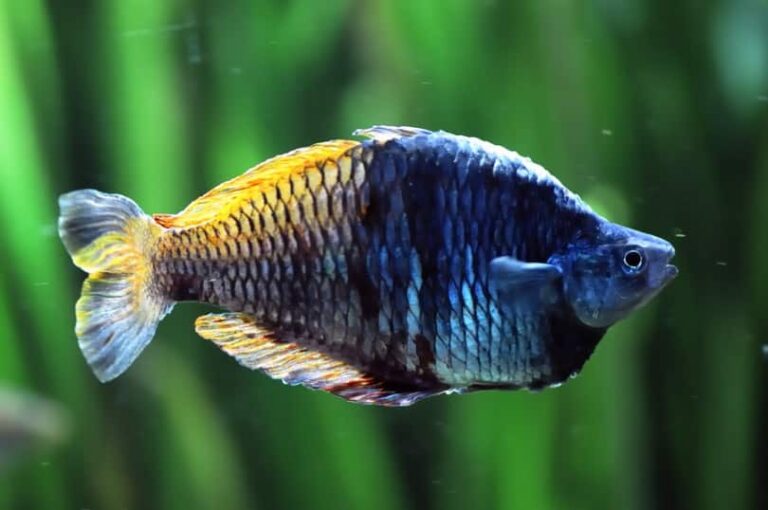
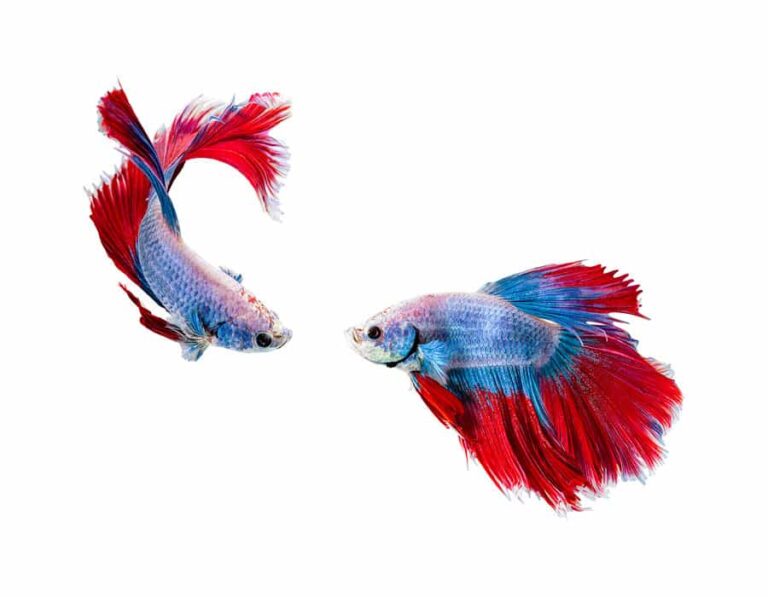
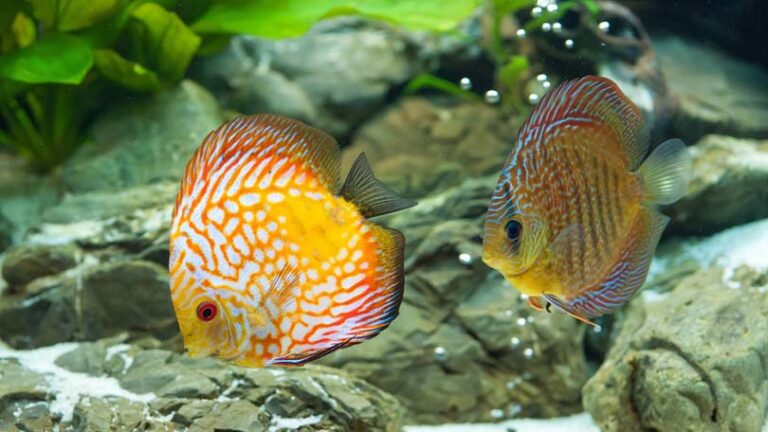
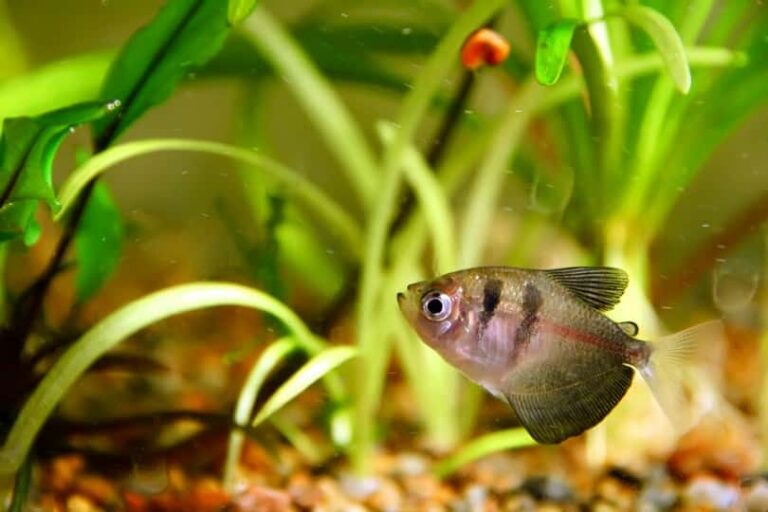
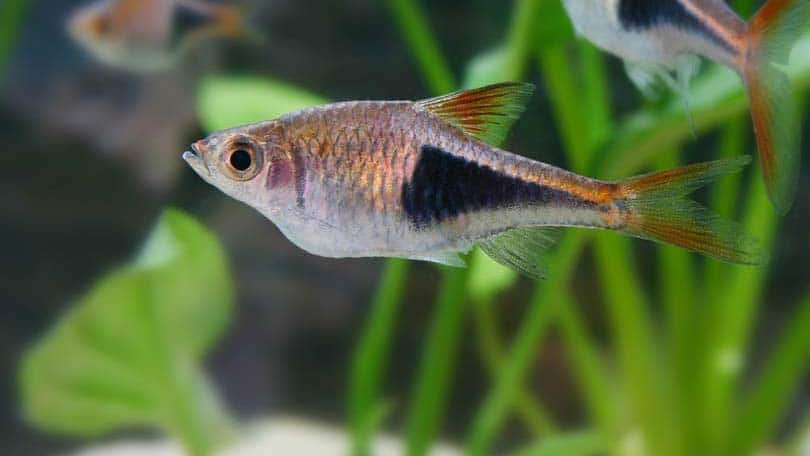
Once you have purchased all of your aquarium supplies, it’s time to find the fish. Be sure to choose compatible fish that will not stress each other out (or worse, kill off each other). Popular fish include tropical community fish, such as tetras, guppies, mollies, danois, platies, and rasboras. Of course, there is a whole range of exotic tropical fish that may be kept individually or in smaller groups.
Now it’s time to set up your tank. First, rinse the substrate in cold water to remove an dust and debris; if you skip this step, the water in your new tank will immediately become cloudy. Now, place the substrate in the bottom of the tank. Place a plate on top of the substrate; pour the wter directly on top of the plate to avoid disturbing the sand or gravel. Next, fill the tank half full with dechlorinated water; you’ll need tap water dechlorinator for this step. The water should be as close to room temperature as possible. Once the tank is half full, add your decorations and plants. Then continue filling the tank until the water line touches the top trim on the aquarium. Prime the filter using the instructions that came with it, and then place it and the heater in the tank.
Let your tank sit for at least 24 hours with no fish in it. This gives time to adjust the temperature and make sure that everything is working properly. Some will tell you that this is time for the water to begin the nitrogen cycle, but actually it cannot start until the moment you add fish.
Once it’s time to add the fish, float their plastic bag in the tank for 15 minutes before letting the new fish loose in the tank. This gives time for their water temperature to adjust so that it won’t be such a shock.
Within a few days to a week of adding the fish, your tank will become cloudy or foggy. This is completely normal. Do not change your water. This cloudiness is due to a bacterial growth, but it is a necessary step in the nitrogen process. By the start of the second week the cloudiness should go away by itself. If you are worried about the fish, purchase an aquarium test kit so that you can check the health of the water, but they should be fine. If they hover at the top or bottom of the tank, or look to be gasping for air, change only 10-15 percent of the water. One of the biggest mistakes of new fish owners is changing half or more of the tank at a time.
Now that the tank is set up, don’t forget to maintain it. Check the water quality regularly using a test kit, and do water changes weekly, changing only about 15 percent of the water each time. Keeping your tropical fish healthy and happy will ensure that you will continue to have a relaxing and beautiful aquarium to display.
Having discovered a fondness for insects while pursuing her degree in Biology, Randi Jones was quite bugged to know that people usually dismissed these little creatures as “creepy-crawlies”.