Electric Yellow Cichlid
Scientific Classification
| Kingdom: | Animalia |
| Phylum: | Chordata |
| Class: | Actinopterygii |
| Order: | Perciformes |
| Family: | Cichlidae |
| Genus: | Labidochromis |
| Species: | Caeruleus |
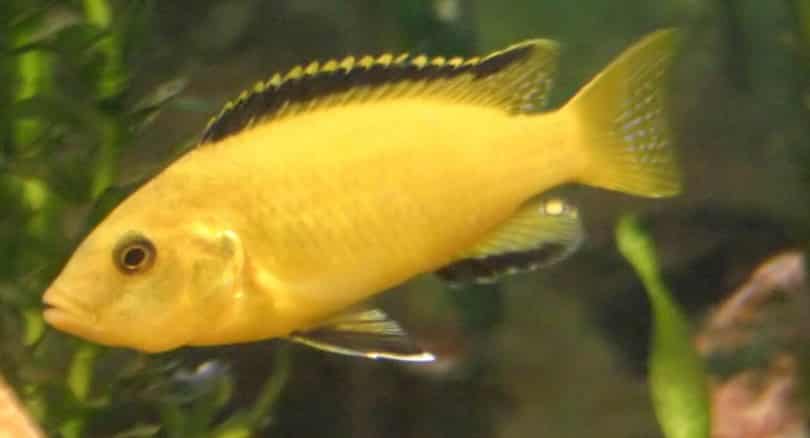
The Electric Yellow Cichlid fish is one of the most popular aquarium fish. It is also known as Yellow Lab Cichlid, Lemon Drop Cichlid, Yellow Libido, Lemon Yellow Lab, and Electric Yellow Lab. It is a peaceful and shy fish.
Habitat and Range
In the year 1956, the Electric Yellow Cichlid fish was described by Fryer. This fish is endemic to the rocky shoreline of Lake Malawi in Africa. It has much more restricted locality. It is only found in Nkhata Bay between Lion’s coves and Charo on the Western side. In nature, it is found either singly or in pairs. In the early 1980’s, this fish was first displayed in Burundi, and then it was exported from there.
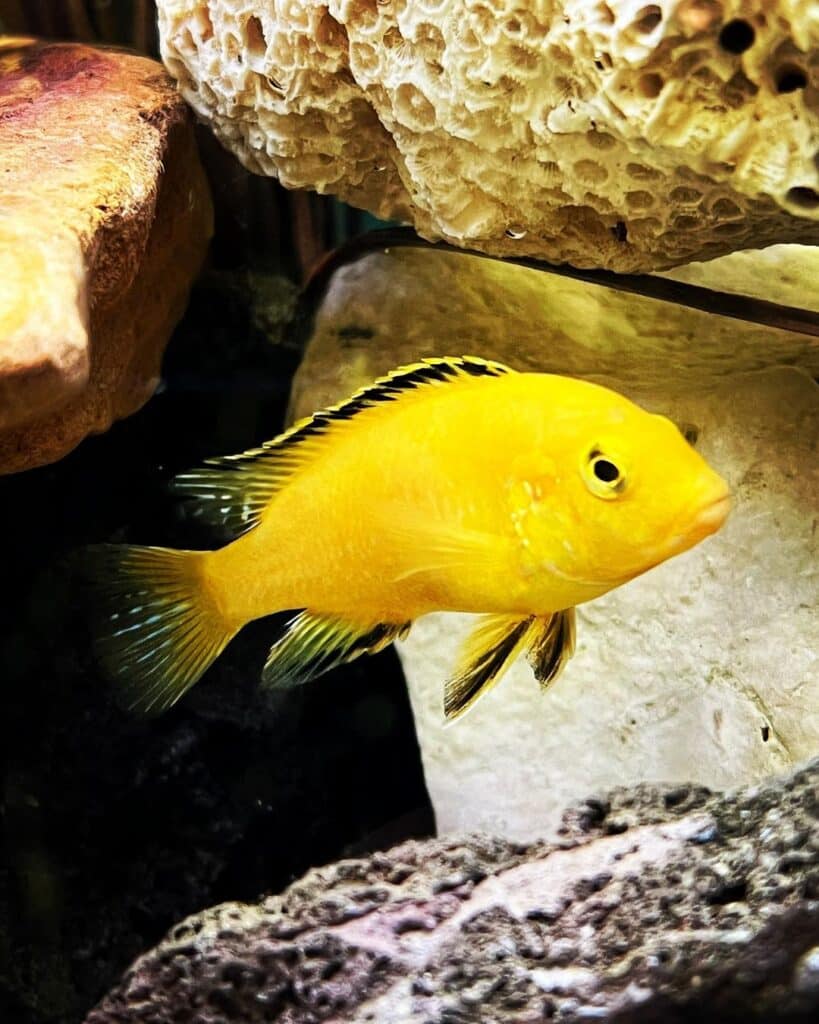
The body of the Electric Yellow Cichlid fish is rather elongated and stocky. In the wild, It reaches a length of 3 inches. But, in the aquarium, it grows larger up to a length of 4 inches. The average life span of this fish is 6 to 10 years. The male fish grow much larger than females. The normal coloration of this species is white with bright black color. This fish has a bright yellow body according to its name. It has black stripes on its dorsal fins and as well as on the anal fins.
Growing at Home
Breeding
The electric yellow cichlid fish is an Ovophile Mouth Brooder (oral incubation) and form a matriarchal family. It is one of the easiest Mouthbrooders to breed. The female fish lay eggs on the surface of the rock and then scoops these eggs into her mouth. Before being released, it broods over the eggs for 18 days.
Tank Size
To house the electric yellow cichlid, a tank of 40 gallons is the minimum requirement. But it is better to start with 55 gallons. It is a moderately aggressive fish, so it is not good for community breeding.
Water-Conditions
The electric yellow cichlid fish requires a water temperature of around 75 to 79 degree F. This fish is not highly adaptable to poor water conditions and will become weak under these circumstances. It does its best in either brackish water or fresh water and needs good water movements. Strong and efficient filtration is also necessary to keep fish healthy. Regular weekly water changes are ideal to keep the aquarium clean.
Nutrition
The diet of the electric yellow cichlid fish is primarily carnivores in the wild. But it is an omnivore and it is not a picky eater. Generally, this fish will eat all kinds flake, fresh or live foods. It will also eat all kinds of sinking pellets, table food, flakes, algae and live foods. They also like frozen food. To keep up a good balanced diet, feed them with high quality flake food or tablet food. This fish also eats natural proteins like brine shrimp, Tubifex, Daphnia, mosquito larvae and some vegetable foods like algae wafers. A Carotene based food is also ideal for them to keep their colors bright. Instead of large feeding, it is ideal to feed them Small quantities of food, several times. This helps in keeping water quality high for a longer period of time.
Setup
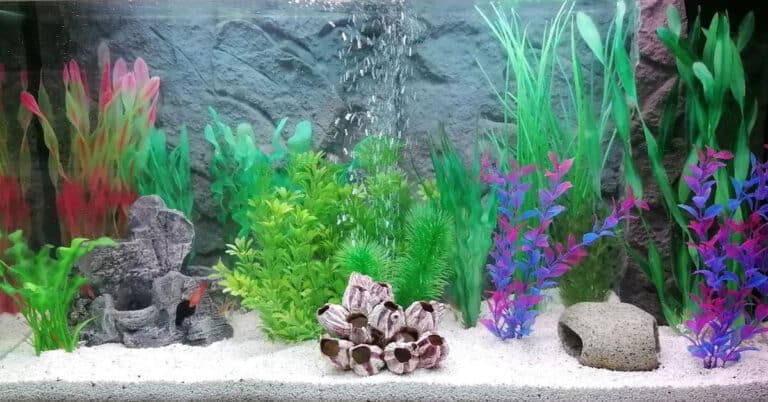
The electric yellow cichlid fish swim in all the parts of the aquarium. Provide a Sandy bottom, rocks, caves and robust plants that they like. A decorated aquarium will help to keep them healthy and fit. This fish requires open swimming areas and big spaces.
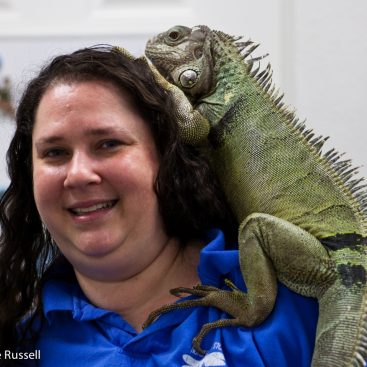
Randi Jones is the owner and founder of the Nature Gift Store, an online retailer specializing in nature-themed gifts, educational science projects, live animal nature kits and real butterfly artwork. A biology graduate who fell in love with insects, she founded the company in 2001 to make active learning about nature fun, accessible and engaging for children and adults. Her store offers real butterfly frames, home and garden decor and educational live animal kits, including ant farms, worm farms, tadpoles, ladybugs and hermit crabs, and she runs a bug museum in Washington featuring live animals like Eddie the Iguana alongside other reptiles and insects.