Yellow Naped Amazon
The Yellow-Naped Parrot, commonly known as Yellow-Naped Amazon, is scientifically termed Amazona Auropalliata, and it is a type of Amazon parrot. It belongs to the Psittacoidea family and the Amazona genus. The excellent talking ability and widespread availability have made this bird popular as a good companion bird. It also has the ability to mimic human speech and other sounds of the surroundings. It is endemic to Central America and the southern regions of Mexico. Illegal trading of the small ones and the vanishing of the forests has led to a decrease in the population of these birds.
Description
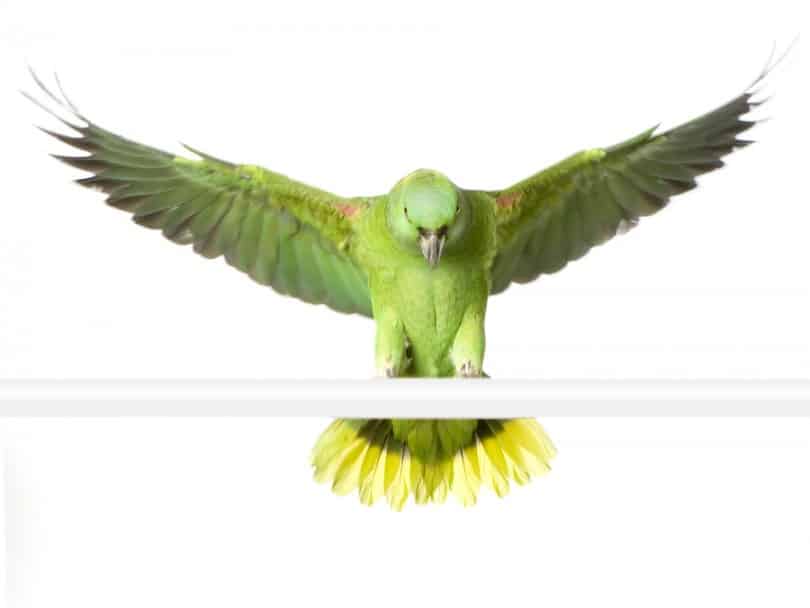
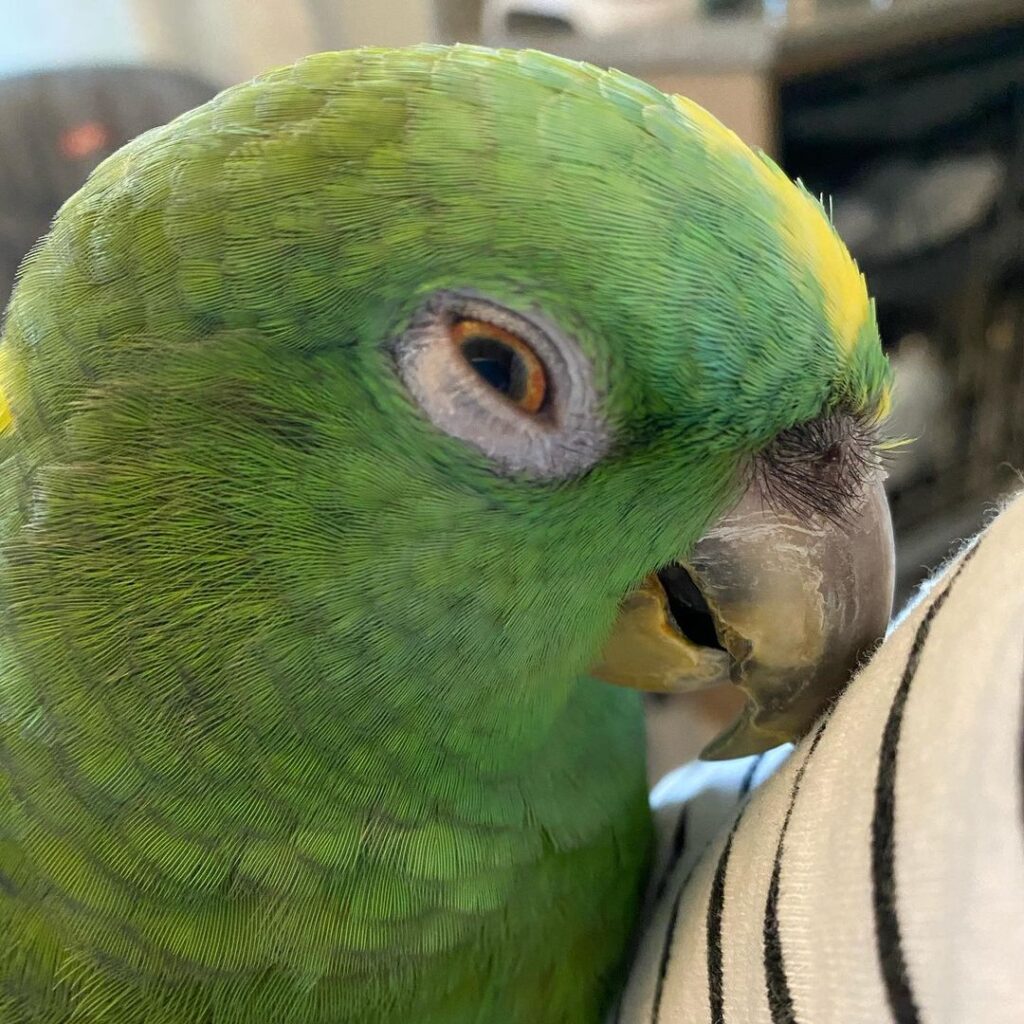
These birds are very peculiar in their looks, and can be easily distinguished by their characteristic yellow shade around the nape of the neck. It has a green stout body and a black beak. There are some yellow feathers near the neck and on the head, but predominantly it is a green colored bird. The tail is green with a band of reddish and dark green color in the middle of the under portion. Usually they love to fly, but in captivity, they tend to get obese. The growing obesity is apparent on its breasts, which also increases their weight. Amazons grow about 12 to 15 inches and attain an average weight of 480 to 680 g. They have a life expectancy of 50 years.’
Personality and Behavior
The Yellow Naped Amazons are very intelligent and smart birds. They are very active and energetic, and love to entertain people. Its comical act and excellent speaking and singing abilities have made it a preferable pet bird. They are very loving and social in their young age, but can be aggressive as they grow older. Sometimes, they even attack their owners. The male birds are found to be more aggressive than the female birds. Yet, they are a popular choice due to their abilities and stunning appearance. In the wild, they always live in groups and are found in the semi-arid woodlands. They also prefer places like savannahs and the arid scrub. They screech and whistle when disturbed.
Reproduction
The Amazons are very difficult species to breed, especially the wild birds held in captivity. These birds have a breeding period during the spring in North America. This period extends from February till June or July. They reach sexual maturity by the age of 2. In the wild, they nest in the cavities of the trees. In captivity, you can provide a vertical nest box that is minimum 18 x 18 x 24 inches in size. The female bird lays 3 to 4 eggs in a clutch, and incubates them for 26 to 28 days. During that period, the male bird stands guard near the nest, but never enters inside.
Yellow Naped Amazon At Home
Cage
The Yellow Naped Amazons prefer a spacious cage to move around. In captivity, they tend to get obese and lack of exercise will increase their weight. Therefore, there must be enough space inside the cage to flap their wings, climb the bars, play and swing. The minimum cage size required is 36 inches wide, 36 inches high and 24 inches deep.
The bar spacing should not be more than 1 inch to lessen the risk of injury. Provide few perches on which these birds can stand and walk. This will help to strengthen their feet. Place the cage regularly for a few hours a day in a location that provides them with sufficient fresh air and sunlight. Alternatively, you can plan for an outdoor cage to let them breathe fresh air. Their cage should be placed in your family room or where you and the other family members spend time. Prefer a stainless steel cage that is coated with non-toxic paint, and make sure, it does not peel off. A grated bottom of wire with a removable tray will help in easy cleaning of the cage. You will have to regularly clean the cage as these birds spill the food all over the place.
Food
The food habit of these birds has to be altered and carefully planned. These birds tend to gain weight and become a couch potato by simply eating fatty and starchy food and resting the whole day. Hence a proper and balanced diet should be provided or they may suffer from fatty tumors, and eventually their lifespan will be affected. These birds should be provided with formulated food like extruded or pellet diet to obtain all the required nutrition. Supplementing the diet, you can also provide enough vegetable and fruits. The composition of these parrots’ diet must be-:
- Pellets- 65%
- Fresh vegetables and fruits-30%
- Seeds and nuts: -5%.
Make sure to give washed veggies and fruits to get rid of the pesticides and harmful chemicals, and try to buy an organic pellet. Avoid fatty and starchy food to prevent them from gaining unnecessary weight.
Care
The most important care to be taken is in the food habits of these birds. They are prone to sudden weight gain and contract diseases. Hence, seeds and nuts should be avoided from their diet. Allow them to come out of the cage for 3 to4 hours a day and let them walk outside; it will be a form of exercise for them. Sleep is a very important factor for the health of these birds. They need 11 to 12 hours of sleep to stay healthy. Regularly bathing this bird is a good habit. It will help to keep their feathers and skin in a good condition and clean. They love to play a lot. Provide them with new toys and replace them when they get old. They also love to chew soft wooden toys. Provide a healthy and clean environment by keeping their cage and vessels clean. They must have an easy access to fresh water. A regular checkup with a veterinary doctor will be helpful to detect any ailments in advance. Trim their nails regularly, and take care not to harm their veins.
Exercise
The other important aspect to keep these birds healthy and free of ailments is exercising. Daily persuade this bird to do exercise like walking, climbing or flying. These birds are basically very lazy. Provide a big and spacious cage to carry out all these activities. Also keep them out of the cage for a few hours, so that they can fly inside your room and thereby lose some calories. Providing toys and perches will keep them busy and physically healthy.
Common Diseases
Like the other parrots, the Yellow Naped Amazon birds are also prone to many diseases like:
- Obesity
- Vitamin A deficiency
- Feather discoloration due to fungal growth
- Diseases related to upper respiratory organs
- Psittacosis
- Viral, bacterial and fungal infections
- Tumors
- Feather picking
- Foot mutilation
- Toe malformation
Many of the health problems can be avoided by providing a healthy and nutritious diet and avoiding calorie rich food.
Having discovered a fondness for insects while pursuing her degree in Biology, Randi Jones was quite bugged to know that people usually dismissed these little creatures as “creepy-crawlies”.