How Long Do Turtles Live?

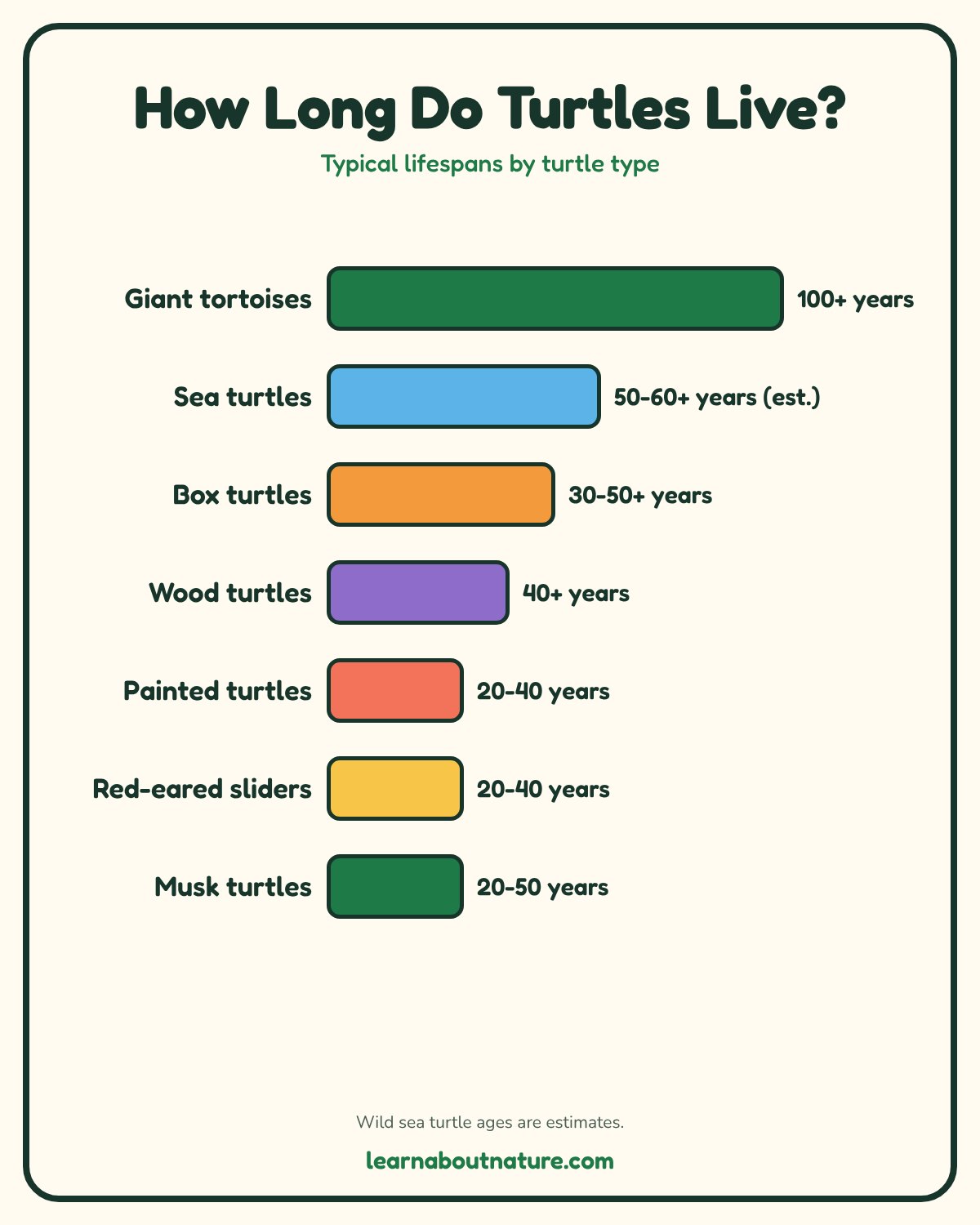
Quick answer: Turtle lifespans vary by species. Many pet turtles live 20 to 40 years, while large sea turtles and tortoises can live 50 to over 100 years. Exact ages for wild sea turtles are hard to measure.
“How long do turtles live” is a question that has haunted the biologists for a long time. They survive for 40-60 years; land turtles live for 110 years and sea turtles for 150 years. This information should dispel the preliminary doubts on the subject.
Pet turtles generally live from 50 to 70 years if reared in cold climates (provided they are given a heating pad). These conditions are harsh. In circumstances where the climate is not very cold, and if nurtured carefully, they survive up to 100 years. The bigger varieties that weigh above 400 lbs survive up to 200 years in harsh conditions.
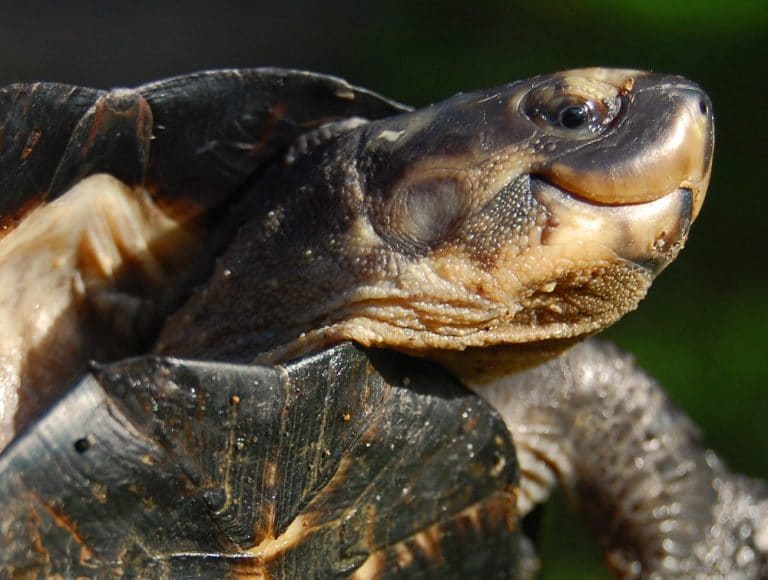
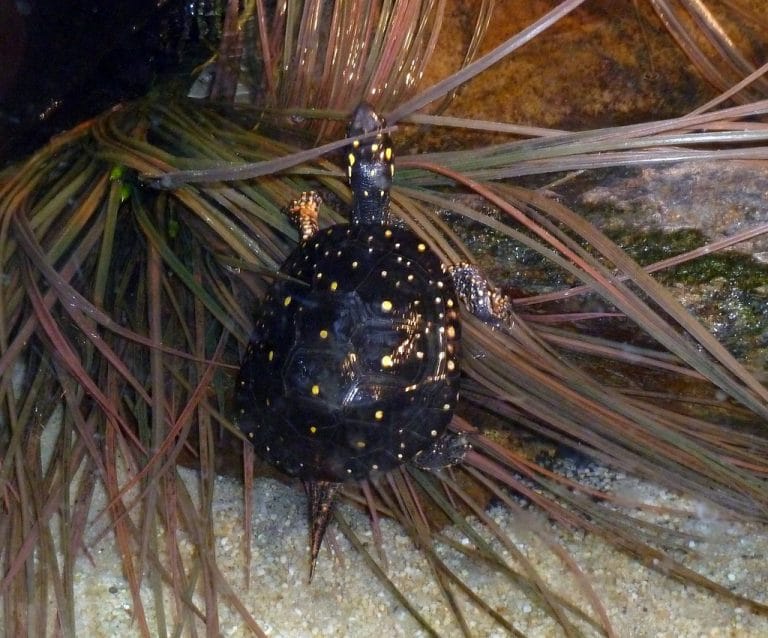
In the state of West Virginia, four families possess 13 species of turtles. More or less all the turtles are either semi-aquatic or aquatic. The only species that hibernate in the soil and spend the great majority of its lifespan on land is the Box Turtle; the remaining varieties go into hibernation underwater. The life span of many turtles is very long!
The life of the Box turtles is more than 100 years. The spotted turtle and several other turtles live for more than 50 years. Since the life span of turtles is sufficiently long, it is not essential for them to produce offspring yearly. As a matter of fact, when the eggs or hatchlings abound, foxes, birds or other predators eat them.
In North America, because the life span of turtles is very long, people collect them either for selling within the country or overseas and their numbers dwindle. Wood turtles and spotted turtles are easy to rear and are very friendly, for which reason, collectors prefer them. Removing adult turtles reduces their population. It is up to us to protect their habitat and also prevent collectors from poaching.
Sea Turtles

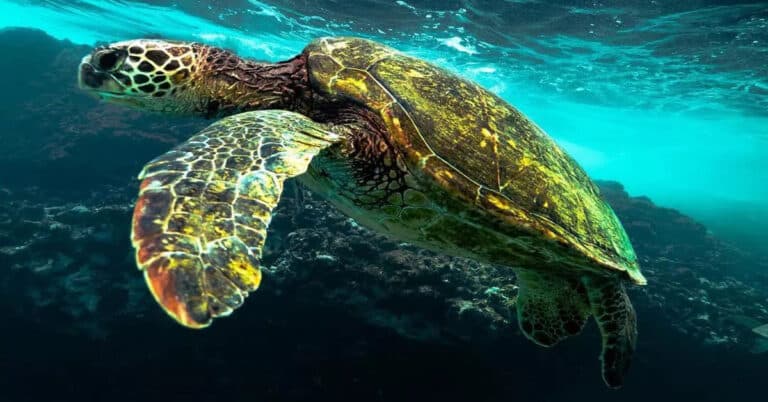
Sea turtles have traversed the oceans for the past 100 million years and their population has decreased. Every year, thousands of marine turtles fall prey to fishing gear and; the beaches used by the turtles for their nesting are also disappearing due to human greed.
How Long Do Sea Turtles Live?
There is insufficient history about the age of any variety of sea turtles. All that we know is, the life span of turtles is long (certain turtles have a life span of 50 years or more) just as human beings. The turtles mature between the ages of 20 and 30; they continue reproducing for the following 10 years.
Seven different varieties of sea (or marine) turtles grace the ocean waters. They extend from the shallow sea grass bed of the Indian Ocean, to the multi-colored reef of the Coral Triangle and to the sandy beaches of the Eastern Pacific. The WWF’s work on sea turtle concentrated on the five species: Hawksbill, Leatherback, Green, Loggerhead and Olive Ridley.
The excess of human activities in the ocean have tapered the life of these aged mariners. Most of the varieties of sea turtles come under the endangered class. They are either slaughtered for their eggs, meat, shells and skin or are victims of poaching and suffer exploitation. The indiscriminate destruction of their habitation and accidental capture by fishing gear are some of the reasons for the quick reduction of their lifespan. Another factor is the change in climate which has a great impact on the sites where the turtles nest. It changes the temperature of the sand which ultimately affects the hatchlings sex.
WWF helps to conserve the sea turtles and promote the revival of the species. The work of WWF is to safeguard the environments of both the people and turtles that are mutually benefited to have a long lifespan in the near future.
Turtle Lifespan FAQs
How long do pet turtles live?
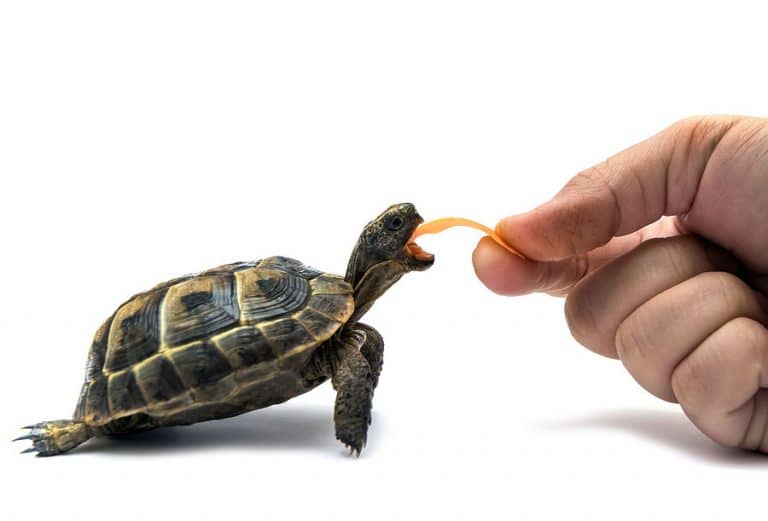
Many pet turtles live for decades. Red-eared sliders and painted turtles often reach 20 to 40 years with good care, and box turtles can live 50 years or more. A turtle’s lifespan depends heavily on its species, diet, lighting, water quality and living space, so research before committing to one.
How long do sea turtles live?
Scientists believe many sea turtles live for 50 years or more, though their exact lifespan is hard to measure in the wild. Most species take decades to reach maturity, often between 20 and 30 years old, and then breed every few years for the rest of their adult lives.
Which turtles live the longest?
Giant tortoises are the longest-lived turtles. Aldabra and Galapagos giant tortoises regularly live more than 100 years, and some individuals are thought to have reached 150 years or older. Box turtles are among the longest-lived smaller species, sometimes passing 100 years.
Why do turtles live so long?
Turtles have slow metabolisms, grow slowly and are protected by a hard shell, which helps adults avoid many predators. Their bodies also seem to age very slowly. Because adults live so long, turtles can afford to lose many eggs and hatchlings and still keep their populations going.
What threatens turtles’ survival?
Turtles face habitat loss, road traffic, pollution, illegal collection for the pet trade, hunting for meat, eggs and shells, and accidental capture in fishing gear. Climate change also affects them because nest temperature decides whether hatchlings are male or female. Many turtle species are now threatened.

Randi Jones is the owner and founder of the Nature Gift Store, an online retailer specializing in nature-themed gifts, educational science projects, live animal nature kits and real butterfly artwork. A biology graduate who fell in love with insects, she founded the company in 2001 to make active learning about nature fun, accessible and engaging for children and adults. Her store offers real butterfly frames, home and garden decor and educational live animal kits, including ant farms, worm farms, tadpoles, ladybugs and hermit crabs, and she runs a bug museum in Washington featuring live animals like Eddie the Iguana alongside other reptiles and insects. Randi wrote most of the guides on this site. They first appeared on her long-running nature sites, including Monarch-Butterfly.com, Ladybug-Life-Cycle.com, Frog-Life-Cycle.com, Dragonfly-Site.com and Butterfly Pictures, which have now been brought together here at Learn About Nature.