Courgette

A courgette is a fast-growing summer squash with glossy skin and pale, tender flesh. It is the very same vegetable that Americans call zucchini, and it is one of the easiest and most rewarding crops you can grow in a garden or a big pot.
Courgette Quick Facts
| Common name | Courgette |
| Scientific name | Cucurbita pepo |
| Kingdom | Plantae |
| Phylum | Tracheophyta |
| Class | Magnoliopsida |
| Order | Cucurbitales |
| Family | Cucurbitaceae |
| Genus | Cucurbita |
| Conservation status | Least Concern |
| Type | Summer squash, also called zucchini |
| Habitat | Sunny, sheltered site with rich soil |
| Native range | Italy |
| Colours | Dark green skin, pale flesh |
| Edible parts | Young fruit |
| Special feature | Botanically a fruit from the flower’s ovary |
What Is a Courgette?
Courgettes belong to the species Cucurbita pepo, part of the gourd family along with pumpkins, cucumbers and melons. We cook them like a vegetable, but botanically a courgette is a fruit, because it grows from the swollen base of a female flower and contains seeds.
Most courgettes are picked when they are about 10 to 20 cm (4 to 8 inches) long. Left on the plant, they keep growing into big, tougher fruits called marrows. The word “courgette” comes from French, while “zucchini” comes from Italian; both mean “little squash.”
Anatomy
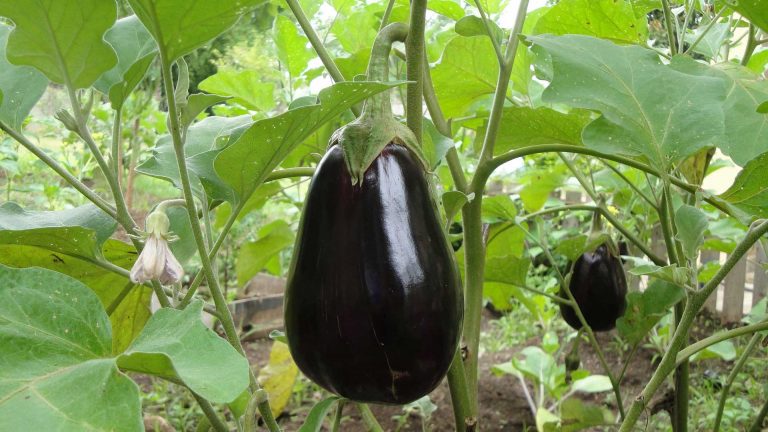
A courgette plant is a bushy annual with large, rough, lobed leaves and hollow, prickly stems. Its fruits usually have dark green skin, though there are also yellow, pale green and striped varieties. Inside, the flesh is creamy white and soft, with small seeds in the middle.
Each plant grows two kinds of bright yellow flowers. Male flowers sit on thin stalks and make pollen. Female flowers have a tiny courgette behind the petals. Bees carry pollen from male to female flowers, and only pollinated female flowers grow into full-sized courgettes. The flowers are edible too, and some cooks stuff and fry them.
Where Does It Come From?
All squashes come from the Americas, where people have grown them for thousands of years. After squashes reached Europe, Italian farmers developed the slim summer squash we now call zucchini. It became popular in Italy in the 1800s and later spread to Britain, the United States and around the world.
Growing Courgettes at Home

Soil and Position
Courgettes are hungry plants. Choose a sunny, sheltered spot away from cold winds and dig in plenty of compost or well-rotted manure before planting. Rich, moist but well-drained soil gives the best crops. One plant needs a lot of space, roughly 90 cm (3 feet) in each direction.
Sowing Seeds
In cooler climates, start seeds indoors from mid to late spring (around mid-April in the UK). Push each flat seed on its edge about 2.5 cm (1 inch) deep into a small pot of multipurpose compost, water it and keep it somewhere warm and bright, such as a sunny windowsill.
Courgettes are tender and are killed by frost, so only plant them outside once the last frost has passed, usually late May or June. You can also sow seeds straight into the ground at that time. Cover young plants with garden fleece or a cut-off plastic bottle on chilly nights until they settle in.
Watering and Feeding
Water regularly, especially once flowers and fruits appear. Pour the water around the base of the plant rather than over the leaves, and spread a layer of mulch, such as compost, to keep the soil moist. Courgettes grow best in warm weather of around 18 to 24°C (65 to 75°F).
When the first fruits start to swell, feed the plant every 10 to 14 days with a liquid fertilizer that is high in potash, such as a tomato feed.
Pests and Diseases
- Slugs and snails love young courgette plants. Protect seedlings and check for these pests on damp evenings.
- Powdery mildew is a white, dusty fungus on the leaves, common in late summer and when plants are dry at the roots. Regular watering and mulching help, and badly affected leaves can be removed.
- Gray mold (botrytis) is a fuzzy gray fungus that attacks damaged or crowded plants in damp weather. Give plants space, remove rotting fruit and flowers, and keep the area tidy.
Harvesting and Storage
Plants start cropping about two months after sowing. Pick courgettes when they are small and tender, about 10 to 15 cm (4 to 6 inches) long, by cutting them off with a knife. In midsummer, check every two or three days. The more you pick, the more the plant produces, and one healthy plant can give dozens of courgettes in a season.
Fresh courgettes keep in the fridge for about a week. To store them longer, slice them, blanch them briefly in boiling water, cool them and freeze them. They are delicious grilled, roasted, stirred into pasta, grated into cakes or eaten raw in salads.
Popular Varieties
Gardeners can choose from many varieties. These have won the Royal Horticultural Society’s Award of Garden Merit (AGM):
- ‘Venus’: a compact plant that crops for a long season and is good for small gardens and pots.
- ‘Supremo’: a strong, reliable plant that produces heavy crops of dark green fruit.
- ‘El Greco’: has an open growing habit, so the fruits are easy to see and pick.
- ‘Tiger Cross’: a striped marrow-type variety. Its big fruits can be stored for use in winter.
Interesting Facts
- Courgettes are about 95% water, so they are low in calories.
- The biggest marrows grown for shows can weigh more than 50 kg (110 pounds).
- Courgette flowers usually open in the morning and close by the afternoon.
Courgette FAQs
Is a courgette a fruit or a vegetable?
In cooking it is a vegetable, but botanically it is a fruit because it grows from the flower’s swollen ovary.
When can you pick courgettes?
You can start picking when they are about 10 cm (4 inches) long. Harvesting three times a week keeps the plant making more.
What does a courgette look like?
It has a deep green skin and pale flesh inside.
How far apart should you plant courgettes?
Plant them about 3 feet (90 cm) apart. They like rich soil and plenty of water once flowers and fruit start to form.
What problems do courgettes get?
Slugs, powdery mildew and gray mold. Mulching, regular watering and spacing the plants out can help.

Randi Jones is the owner and founder of the Nature Gift Store, an online retailer specializing in nature-themed gifts, educational science projects, live animal nature kits and real butterfly artwork. A biology graduate who fell in love with insects, she founded the company in 2001 to make active learning about nature fun, accessible and engaging for children and adults. Her store offers real butterfly frames, home and garden decor and educational live animal kits, including ant farms, worm farms, tadpoles, ladybugs and hermit crabs, and she runs a bug museum in Washington featuring live animals like Eddie the Iguana alongside other reptiles and insects.