Geranium
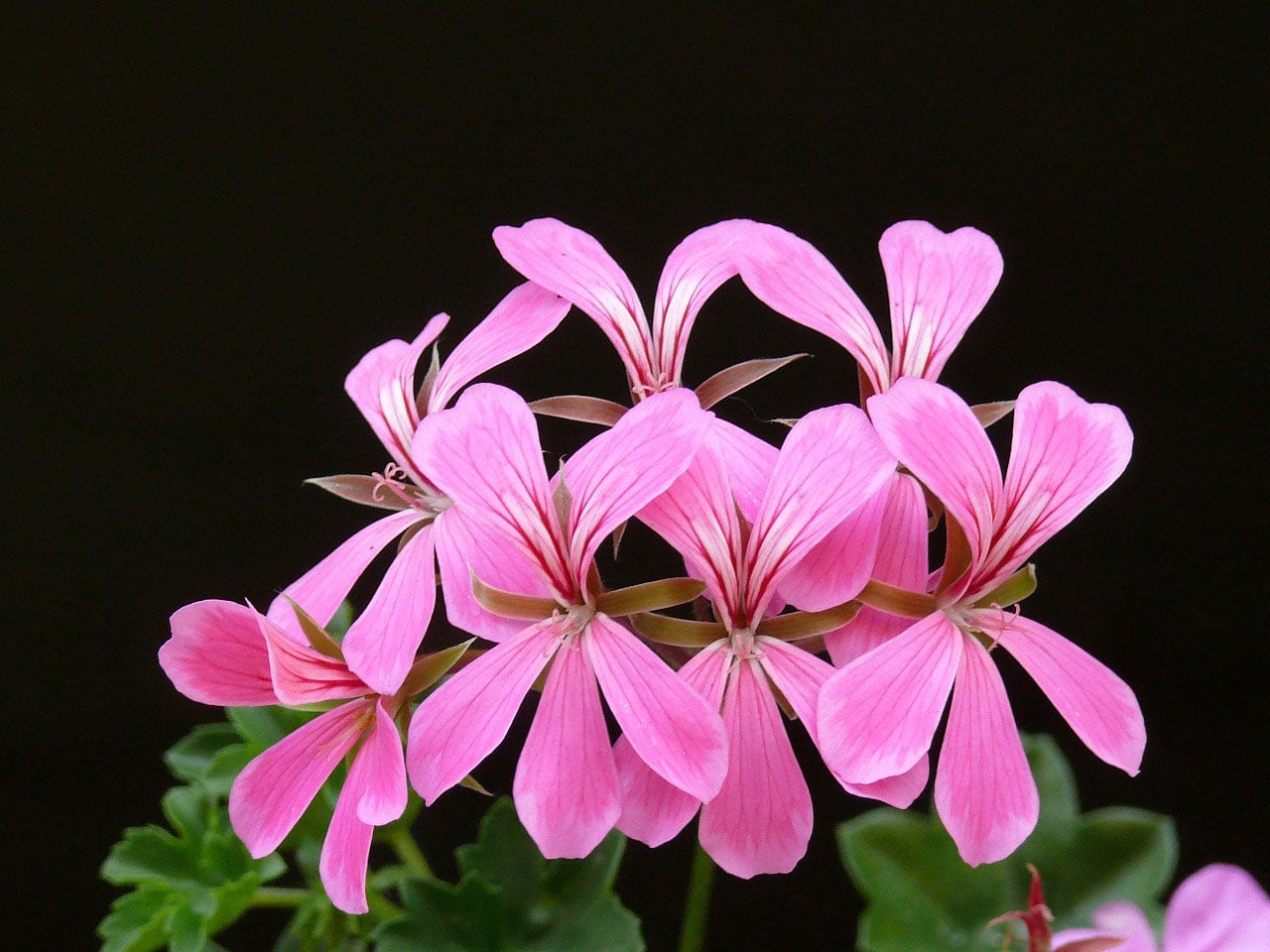
Geranium is a group of flowering plants better known as cranesbills, named after their long, pointed seed pods that look like a crane’s beak. There are over 400 species, and many are easy, tough garden plants. Confusingly, the bright red ‘geraniums’ sold for window boxes are actually a different plant called pelargonium.
Scientific Classification & Quick Facts
| Common name | Geranium |
| Scientific name | Geranium |
| Kingdom | Plantae |
| Phylum | Tracheophyta |
| Class | Magnoliopsida |
| Order | Geraniales |
| Family | Geraniaceae |
| Type | Flowering plants, also called cranesbills |
| Habitat | Woodlands, meadows, rocky glades; sun or part shade |
| Native range | Temperate regions and tropical mountains |
| Colours | Purple, white, blue or pink |
| Special feature | Five matching petals on each flower |
What Geraniums Look Like
True geraniums are mostly perennial plants that come back year after year, although a few are annuals or biennials. They usually have rounded leaves that are deeply cut into finger-like lobes, a shape called palmate, like an open hand.
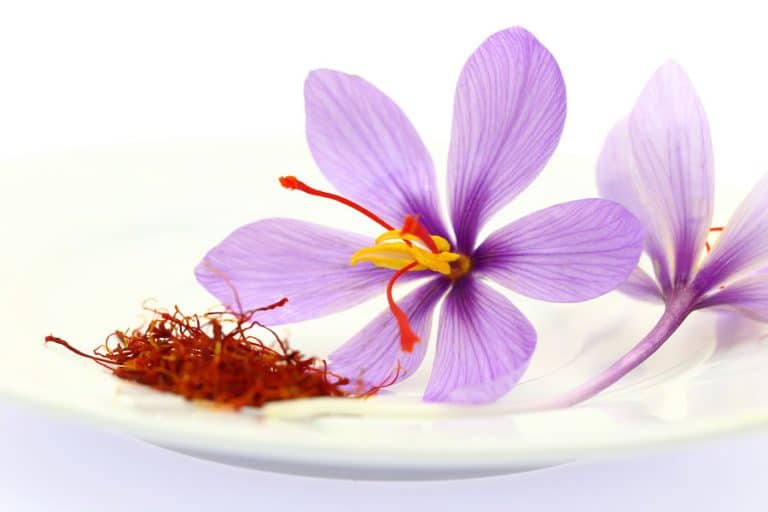
The flowers have five petals that are all the same size and shape, so the flower looks even all the way around. They come in shades of pink, purple, blue, magenta and white, often with darker veins that guide bees to the nectar. After flowering, each flower forms a long beak-shaped fruit. When it is ripe, the beak splits and flicks its seeds away like a tiny catapult.
Geranium or Pelargonium?
For a long time, geraniums and pelargoniums were thought to be the same plant. The famous Swedish scientist Carl Linnaeus put them all in the genus Geranium. In 1789, the French botanist Charles L’Héritier separated them into different groups. Both belong to the same family, Geraniaceae, along with a third group called Erodium, known in North America as filarees or storksbills.
The pelargoniums, often called zonal or bedding geraniums, mostly come from southern Africa. They are not frost-hardy, so in cold places they are grown as summer bedding plants or kept indoors over winter. You can usually tell the two apart by their flowers:
- Geraniums (cranesbills) have five matching petals arranged evenly in a circle.
- Pelargoniums have two upper petals that look different from the three lower petals, so the flower is only symmetrical from side to side.
Where Geraniums Grow
Wild geraniums grow in temperate regions around the world and in the mountains of the tropics. Many species come from the eastern Mediterranean region.
In eastern North America, the native wild geranium (Geranium maculatum) is a common woodland wildflower. It grows in upland and floodplain woods, woodland clearings, savannas, rocky glades and partly shaded damp spots, and sometimes on hillside prairies next to woods. It is especially at home in moist, leafy deciduous forests, where it flowers in spring.
Growing Hardy Geraniums
Soil and Position
Hardy geraniums are known for being easy to grow. They do best in full sun to partial shade, in average garden soil that drains well. They cope with many soil types, as long as water does not sit around their roots. Before planting, mix in some compost or other well-rotted organic matter to improve the soil and help it hold moisture.
Planting
Spring is the best time to plant, but hardy geraniums can be planted in fall too, while the soil is still warm. Water new plants well, especially during dry weather, until their roots are settled. You can make more plants by dividing large clumps in spring or fall, or by taking cuttings.
Watering and Care
Once established, hardy geraniums only need watering during long dry spells. A good soak about once a week is usually plenty. They are low-maintenance and rarely need fertilizer.
Many varieties flower in late spring and early summer. Cutting the plants back after their first flush of flowers encourages fresh leaves and often a second round of blooms. Tidy away old leaves in late fall or early spring.
Temperature and Humidity
Hardy geraniums can survive freezing winters in the ground. Pelargoniums are much more delicate. They grow best when days are around 18 to 24 °C (65 to 75 °F) and nights are cooler, about 10 to 15 °C (50 to 60 °F). They slow down when nights drop toward 4 °C (40 °F), and frost will damage or kill them. Very hot weather, above about 30 °C (86 °F), can also make them flower less.
Neither kind is fussy about humidity. Very damp, still air encourages fungal diseases, while very dry indoor air can encourage spider mites, so good airflow and steady watering help keep plants healthy.
Traditional Uses
The root of the North American wild geranium has traditionally been used by Native Americans and early settlers as an astringent, a substance that helps tighten tissues. Rose-scented ‘geranium oil’, used in perfumes and soaps, actually comes from certain pelargoniums.
These traditional uses have not been proven to be safe or effective as medicines, so never use any plant as a remedy without first asking a doctor. Pelargoniums are also listed as toxic to cats and dogs, so keep pets from chewing them.
Pests and Diseases
Hardy geraniums usually have few problems, which is one reason gardeners like them. Most pests and diseases are easy to spot and control:
- Slugs and snails may nibble young leaves in damp weather.
- Powdery mildew can coat leaves with white dust, especially on dry soil. Cutting plants back and watering well usually solves it.
- Gray mold (botrytis) can affect pelargoniums in cool, damp conditions. Remove dead flowers and leaves and avoid overcrowding.
- Aphids, whiteflies and spider mites can attack pelargoniums, especially indoors. Check under the leaves and wash pests off with water.
Geranium FAQs
Is a geranium the same as a pelargonium?
No. They are in the same family, but they are different plants. A geranium flower has five matching petals, while a pelargonium flower has three lower petals that differ from the two upper ones.
What colours do geraniums come in?
Geranium flowers are purple, white, blue or pink. Each flower has five petals with clear veins.
Where do geraniums grow best?
Geraniums grow in full sun or a little shade, in medium soil that drains well. They can grow in nearly any soil as long as water does not stand around the roots.
How often should you water geraniums?
Water cranesbill geraniums about once a week or once every 10 days. Do not let the soil dry out completely.
What temperature do geraniums like?
Most geraniums like around 70 degrees F by day and 50 degrees F at night. Growth slows when nights fall below 40 degrees F.

Randi Jones is the owner and founder of the Nature Gift Store, an online retailer specializing in nature-themed gifts, educational science projects, live animal nature kits and real butterfly artwork. A biology graduate who fell in love with insects, she founded the company in 2001 to make active learning about nature fun, accessible and engaging for children and adults. Her store offers real butterfly frames, home and garden decor and educational live animal kits, including ant farms, worm farms, tadpoles, ladybugs and hermit crabs, and she runs a bug museum in Washington featuring live animals like Eddie the Iguana alongside other reptiles and insects.