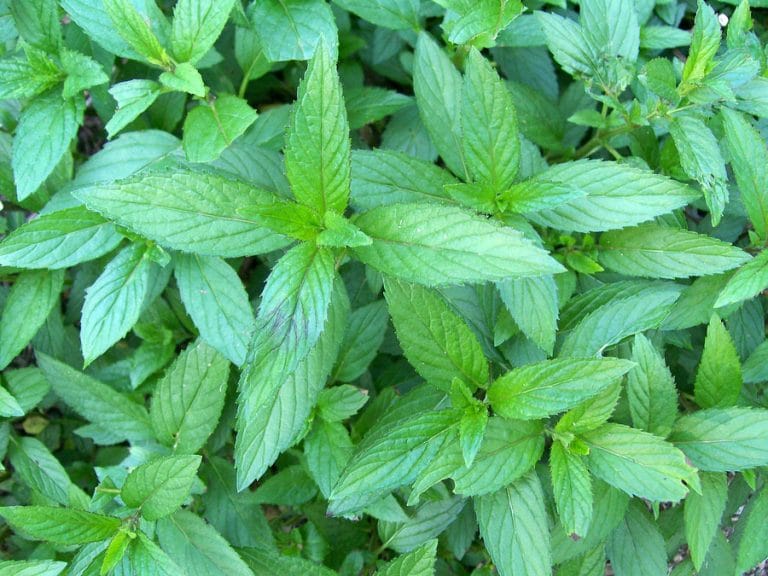
Burdock

Scientific Classification & Quick Facts
| Common name | Burdock |
| Scientific name | Arctium |
| Kingdom | Plantae |
| Phylum | Tracheophyta |
| Class | Magnoliopsida |
| Order | Asterales |
| Family | Asteraceae |
| Type | Biennial herb in the thistle family |
| Habitat | River banks, roadsides, fields and vacant land |
| Colours | Purple flowers |
| Flowering season | July to October |
| Height | 3–4 ft |
| Edible parts | Tender leaves and roots |
Arctium, commonly known as Burdock is a biennial herb from the Asteraceae family. There are three different kinds of burdock that were introduced to North America. Arctium Minus belongs to one of the four species available. The other two species are the Great and the common Burdock which represents the weedy type. You can find Common Burdock in many places. This plant has many names, including Wild Burdock, Clot Bur Lesser Burdock, Wild Rhubarb Beggars Buttons, Petite Bardane, Cockle Button, Hour-Bur Stick Button, and Hardock. In many parts of the world, the burdock plant is used as a source of food. They are famous for their medicinal properties.
History
Burdock is from the Arctium genus and belongs to the thistle family. They belong to the great composite order of the Asterales. Burdock derived its name from the Greek word arktos which means, a bear.
The other species got their name Lapps from the Celtic word lap, due to their prehensile properties. The species called as dock, derived its name due to its larger leaves. The bur is actually the contraction of the French word, Bourre. They are also derived from the Latin burra, which means a lock of wool.
Anatomy
Basically the leaves of this genus are dark green in color and grow about 71 cm long. They look large, ovate and coarse. The upper leaves are more like an egg shape, whereas the lower ones have a heart shape. The underneath part of the leaves are more wooly. The flowers are usually purple in color and bloom from July to October. The leaf stalks are hollow and the stems are branched, growing about 3 to 4 feet in height.
Habitat
Burdock is a flowering plant that can grow well in any place. They can grow well in places near river banks, roadsides, vacant places and in the fields. We can see them throughout the northern part of America.
Soil

A well drained soil is always preferred by the burdock species to thrive well. They can adjust in moist soil and if the soil is rich in humus, then, it is even better. Seeds should be sown 18 inches apart. They should be seeded during the early spring. Thin the seeds in a way that they stand 6 inches apart in each row. Before you plant the seeds, soak them in warm water overnight and then it will be easy for them to germinate. Make sure to dig a hole that is big enough to accommodate the roots. Fertilizers should be used for this herb.
Planting
The burdock plant grows very easily. They even grow wild. They dont need any human assistance to thrive. If you give more attention that will be an added advantage for them and will help to increase the productivity. They love full sun, but they can grow in shade too. If the soil is rich and well drained they will grow better. The soil has to be loose and free from rocks so that the roots can move easily and grow longer and straight.
Watering
Until the plant grows well, water them regularly and after that, regular watering is not needed. Make sure the base of the plant is wet, so that the roots can move easily. You can add mulch to the base to avoid the growth of weeds to reduce evaporation.
Temperature and Humidity
Burdock is native to the temperate regions of Europe and Asia, and it grows well in full sun or partial shade.
Uses
The tender leaves of the plant are edible and can be used for culinary purposes. They can be prepared in the same way as spinach and asparagus. But the roots are eaten as a delicacy. The roots, while tender can be eaten like radish, whereas the matured roots should be cooked before eating.
Pests and Diseases
The burdock plant is free from pests and diseases to a large extent. If the acreage increases, then the pests can attack them. Grasshopper is their biggest enemy. There are also certain viruses that affect them.
Burdock FAQs
What is burdock?
Burdock is a biennial herb in the thistle family. Several kinds, including the common and great burdock, grow as weeds in North America.
Can you eat burdock?
Yes. The tender leaves can be cooked like spinach, and young roots can be eaten like radish. Older roots should be cooked before eating.
What do burdock flowers look like?
Burdock has purple flowers that bloom from July to October. The plant has large, coarse, dark-green leaves that are woolly underneath.
How tall does burdock grow?
Burdock grows about 3 to 4 feet tall, with branched stems and hollow leaf stalks.
Where does burdock grow?
Burdock grows in many places, such as river banks, roadsides, empty lots and fields. It likes well-drained soil and full sun, but can grow in shade too.

Randi Jones is the owner and founder of the Nature Gift Store, an online retailer specializing in nature-themed gifts, educational science projects, live animal nature kits and real butterfly artwork. A biology graduate who fell in love with insects, she founded the company in 2001 to make active learning about nature fun, accessible and engaging for children and adults. Her store offers real butterfly frames, home and garden decor and educational live animal kits, including ant farms, worm farms, tadpoles, ladybugs and hermit crabs, and she runs a bug museum in Washington featuring live animals like Eddie the Iguana alongside other reptiles and insects.