Quick Facts About Tortoise Pet
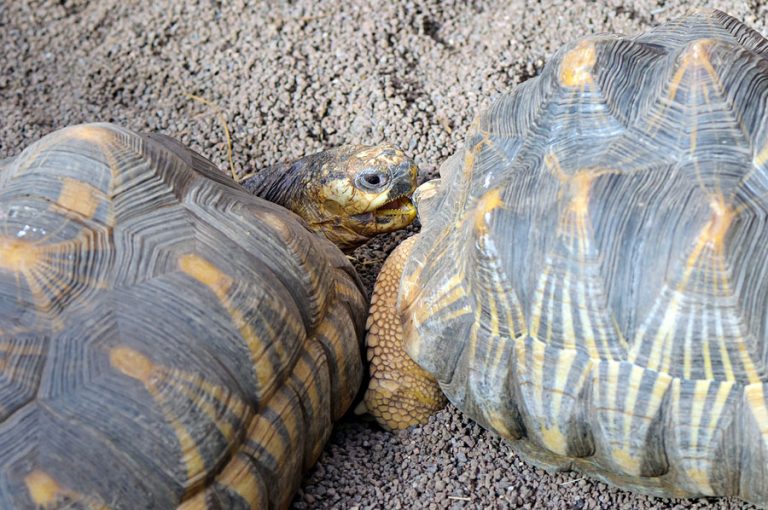
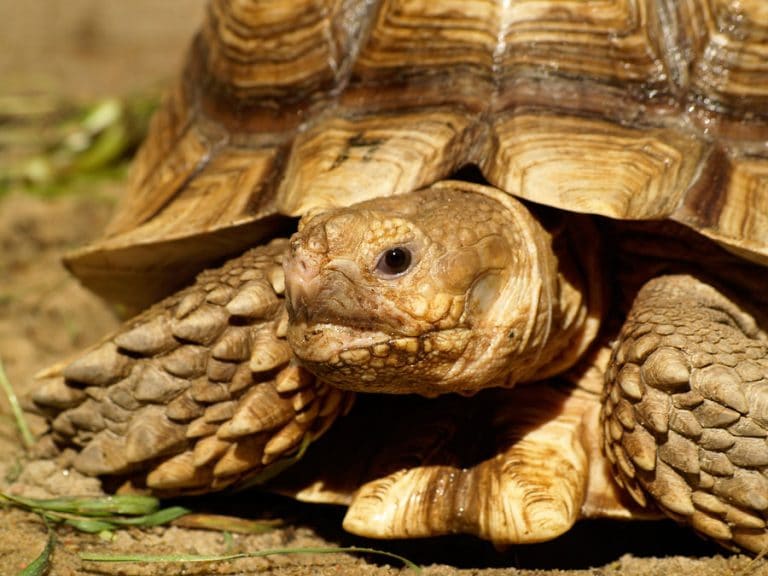
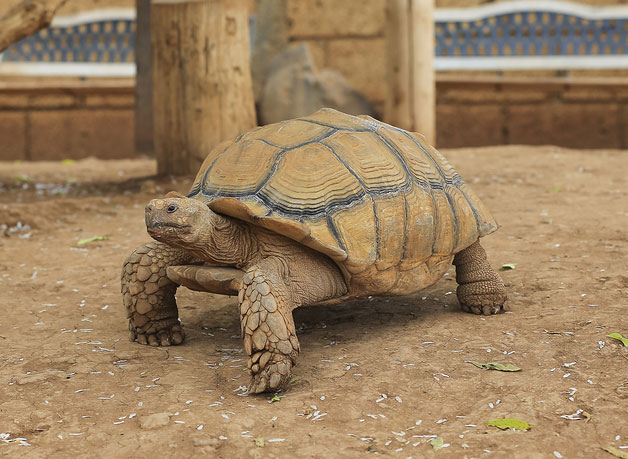
It’s natural for people, especially kids, to love pets. But other than the typical types of pets such as dogs and cats, Tortoises are also becoming very popular for many pet lovers. This growing trend in pet ownership and interest is not exclusive to America or, first world countries but even in developing countries.
So you’re interested in keeping a tortoise as the newest member of our family. But before you even go to the nearest pet shop and buy that cute little one, you need to know important pet caring facts. Knowing these things will help you ensure the welfare of your pet and avoid problems along the way.
Background
Tortoises are among the still existing creatures that lived some 200 years ago. This means that we’re too fortunate to have seen these creatures that have walked the earth along with now extinct creatures like the dinosaurs.
Their interesting background makes them even more attractive to many pet owners and collectors. But other than their colorful history, there are other things that make them a good pet, even for those who have no previous experience with pets.
That’s why it is very important that every prospective pet owner should consider all the information that relate to these animals to avoid potential problems. You will also need these pieces of information as a guide for the proper handling and management of your tortoise since they have specialized needs that you won’t know even if you have experience of taking care of a dog or cat.
Diet
Before anything else, probably one of the most important aspects of pet ownership is that of diet. Thus, it’s very crucial to take note of their diet and make it a point to provide them with what they need.
By knowing the basic information, especially this kind of pet’s diet, along with helpful pet handling guides, you can say that you’re ready to bring home another addition to your family without jeopardizing the welfare of your family as well as the pet itself.
Having discovered a fondness for insects while pursuing her degree in Biology, Randi Jones was quite bugged to know that people usually dismissed these little creatures as “creepy-crawlies”.