Glass Lizard
Scientific Classification
| Kingdom: | Animalia |
| Phylum: | Chordata |
| Class: | Reptilia |
| Order: | Squamata |
| Suborder: | Lacertilia |
| Family: | Anguidae |
| Subfamily: | Anguinae |
| Genus: | Ophisaurus |
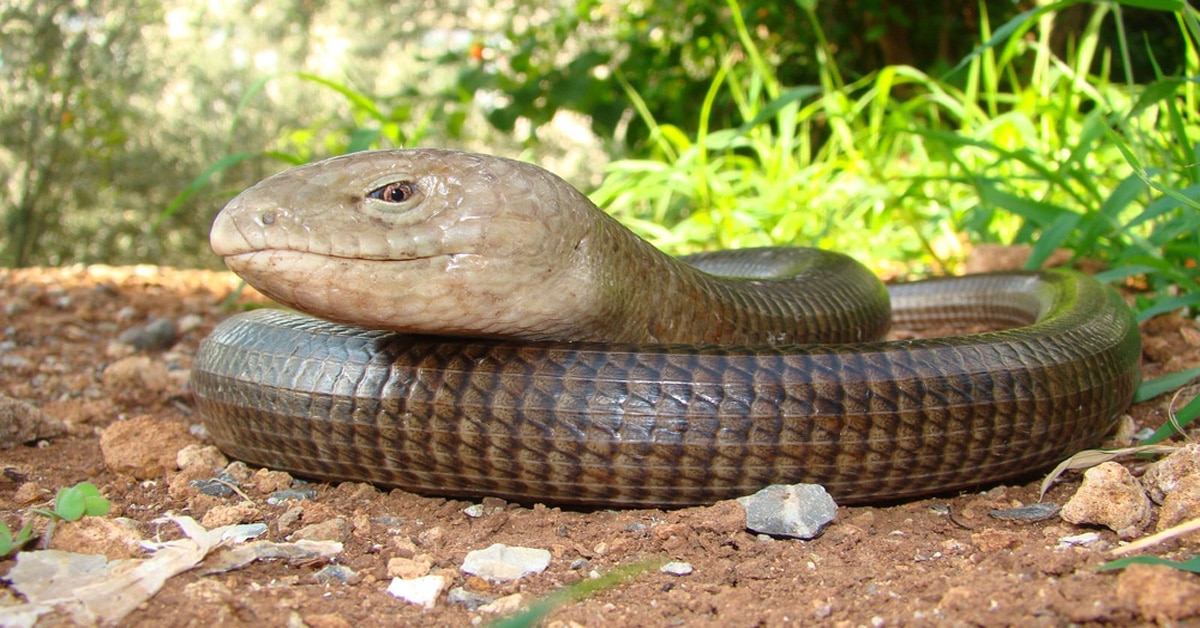
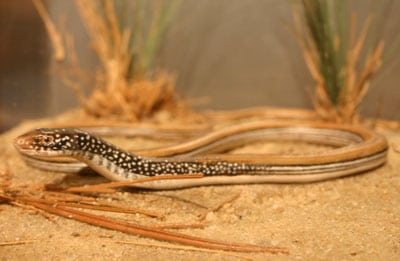
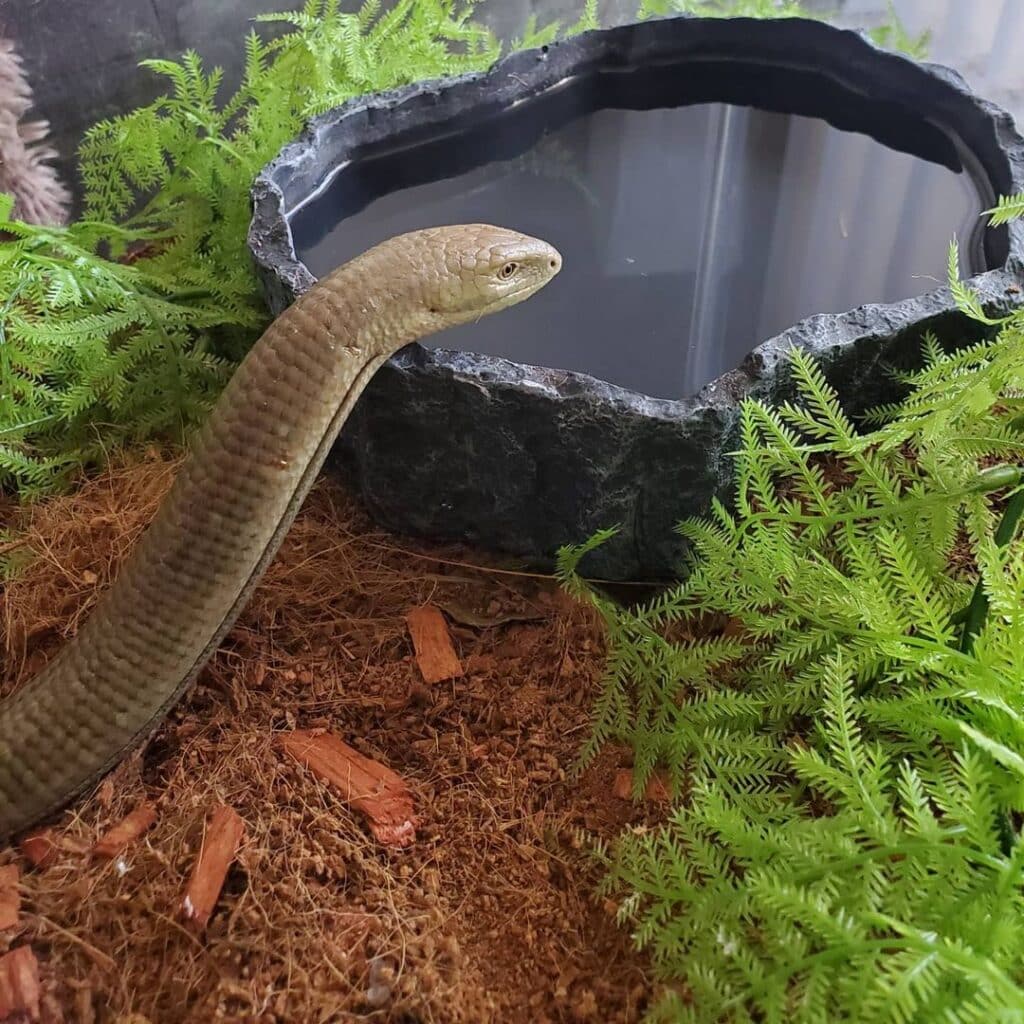
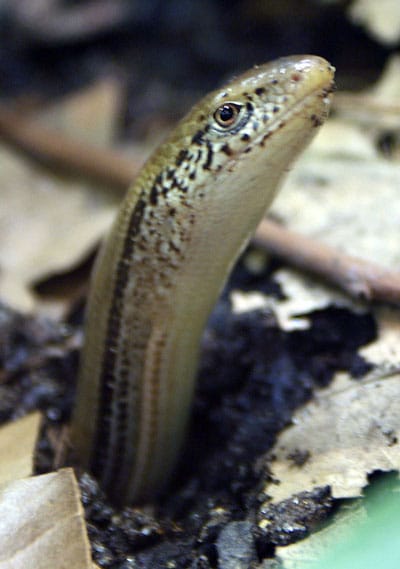
Glass snakes or Glass lizards belong to the genus Ophisaurus. They are a genus of reptiles that resemble snakes. The glass lizards or jointed snake or glass snake looks like snakes, but are lizards. Most of the species have no legs. The shape of the head, external ear vents, and movable eyelids help to identify them as lizards. Some of the glass lizards have small stub-like legs near their rear openings. The legs are vestigial organs in the sense that have evolved but are not of use any longer. Some also call them jointed snakes. They can grow up to 4 feet long, about 2/3rd of the length is the tail. The diet of the glass lizards consists of insects, spiders, young rodents, and small reptiles. They cannot unhinge their jaws. This limits their diets. Most glass snakes lay eggs. Some give birth to young ones. The Eastern glass lizard (Ophisaurus ventralis) from Florida is another member of the Glass Lizards family.
Biology
Glass lizards are reptiles resembling snakes. They have movable eyelids are and their uniquely shaped heads help to identify them easily as lizards. They have external ear openings and no legs in most cases. There are some species which have short stubby legs. People call these lizards jointed or glass snakes because the tail easily breaks off.
Habitat
You can find most of the species in Indonesia, China, Asia and India. Recently, they discovered a species called Moroccan in North Africa. You can also see some in the United States. You can find them mostly in sandy areas, for instance, coastal plains. We can see them in Wetlands Flatwoods and near tide lines under debris. They can survive in a variety of habitats. They Moroccan glass lizard originates from the South but several species live in the Southeastern United States. They also inhabit the barrier islands off Florida’s Atlantic coast and eastern North Carolina which is 40 miles from the Atlantic Ocean, you can find the glass lizard.
Behavior and Escape
Glass lizards are very clever in outsmarting predators like snakes, birds of prey and mammals. The moment they sense danger, they break off part or whole of their wriggling tail. This distracts they predator. The glass lizard makes use of this chance to escape. While the broken tail moves, the lizard lies motionless, and finally escapes. The lizard’s tail grows back in months. The regrown tail is smaller than the original. The glass lizard is very active in spring and autumn. They cut back on their diet during winter.
Diet
Glass lizards are carnivorous and they love variety in their diet. They eat insects, rodents, reptiles, spiders and other invertebrates. They hunt for food in daylight. They like hunting in the open. They depend on their vision to hunt their prey. They react only to the prey’s movement. They are not greedy at all. They eat only on alternative days. Young lizards eat many times a day.
Reproduction
Glass lizards tend to breed in early summer. The female glass lizards will deposit eggs under logs or in dense vegetation. The female glass lizards, unlike other lizards, attend to the eggs till they hatch. Some glass lizard species give birth to young ones. Most glass lizards, however, lay eggs.
Status
The experts say that the glass lizard is not at the risk of becoming extinct.
Having discovered a fondness for insects while pursuing her degree in Biology, Randi Jones was quite bugged to know that people usually dismissed these little creatures as “creepy-crawlies”.