Skink Lizard
Scientific Classification
| Kingdom: | Animalia |
| Phylum: | Chordata |
| Subphylum: | Vertebrata |
| Class: | Reptilia |
| Subclass: | Diapsida |
| Superorder: | Lepidosauria |
| Order: | Squamata |
| Suborder: | Sauria |
| Infraorder: | Scincomorpha |
| Family: | Scincidae |
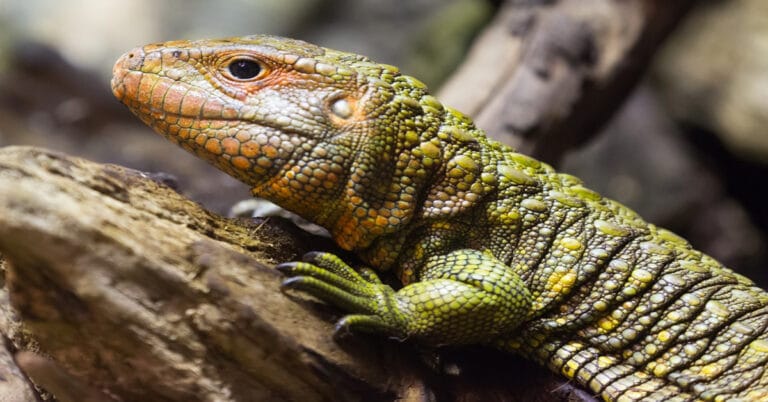
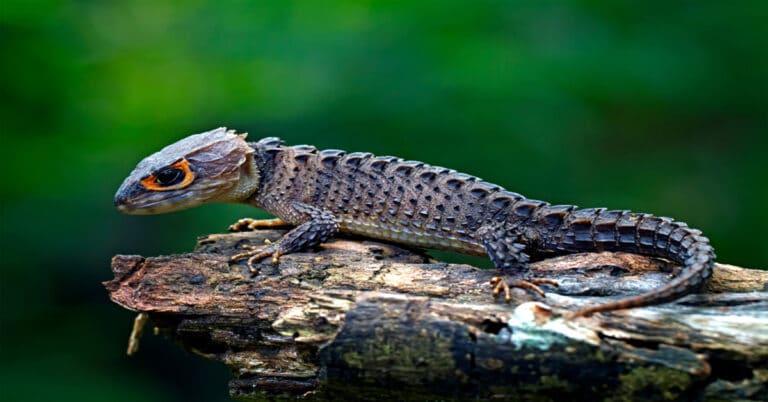
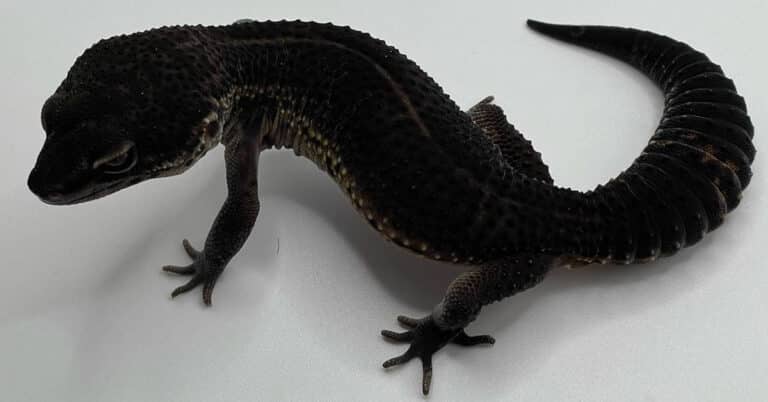
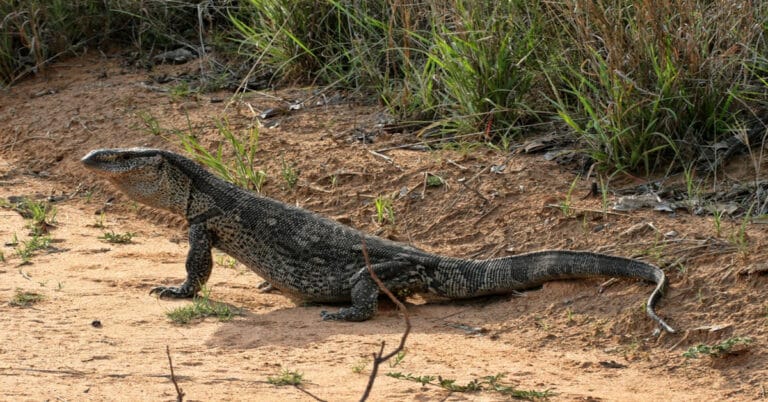
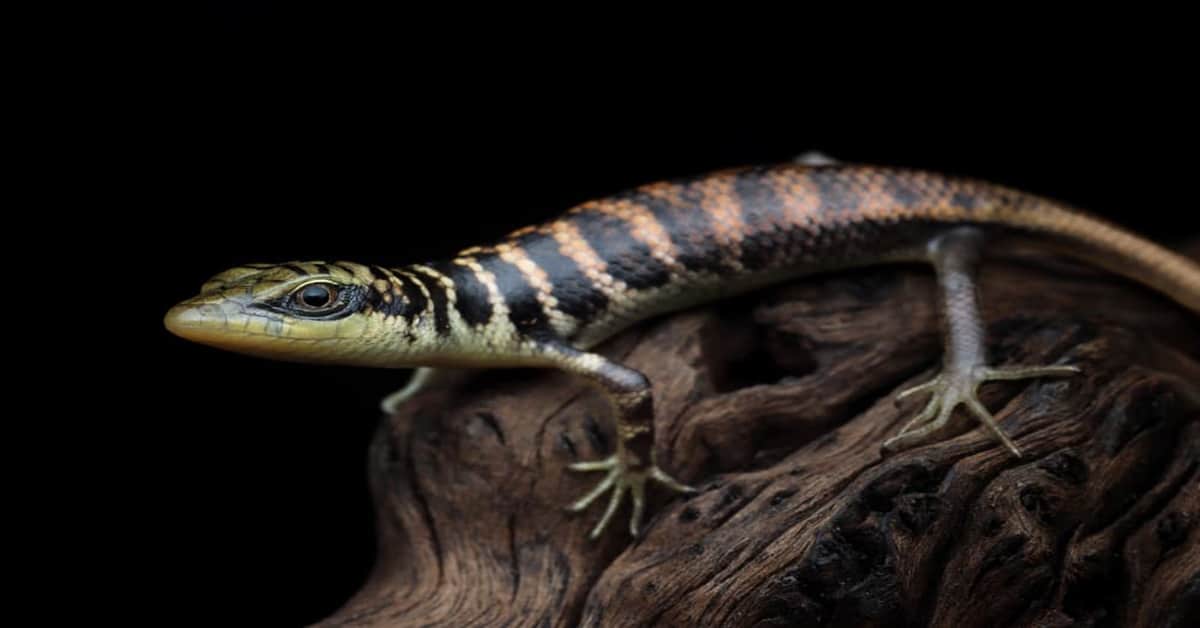
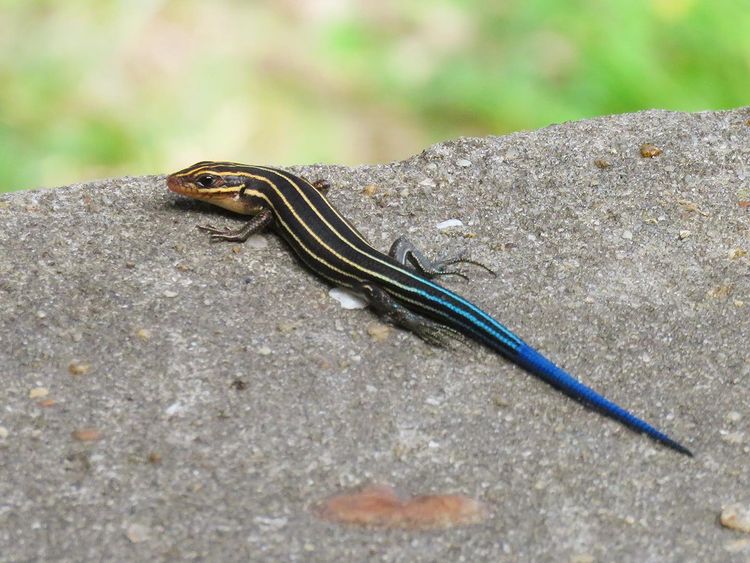
A skink lizard belongs to a big group of lizards having a distinctive body shape (that of a cylinder) and little stumpy legs. These skink lizards are amazingly distinct, they occur all over the universe in the temperate as well as the tropical zones on the earth. The skinks belong to the family Scincidae, comprising 1000 species and above; the experts believe that a few of the exceptional ones are in danger of extinction, whilst you can find other species in plenty that are popular in their respective habitations. These tough guys adjust enthusiastically in the crevices in nature plus any of the gaps made by the humans in the gardens and stone walls.
Anatomy
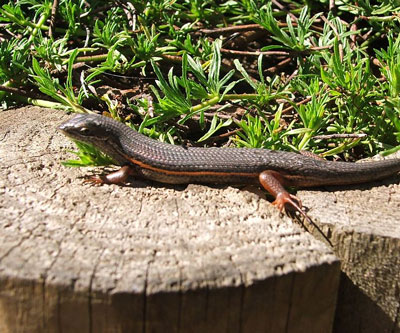
Most of the genus (e.g. Typhlosaurus) do not have any limbs; skinks resemble almost a lizard however, many of these species have prominent neck, they have comparatively smaller legs.
Certain varieties of skinks are rather smaller in size; “Scincella lateralis” has clearly grown in length from 7.5 to 14.5 cm (3.0 to 5.7 inches) which is over half the length of its tail. Most of the skinks are of average size; from vent-to-muzzle they are 12cm (14.7 inches) long, but a few of them grow larger in size.
Diet
In general, skinks are carnivores, in fact insectivores. They normally prey on grasshoppers, beetles, caterpillars, crickets and flies. Many of these species also consume isopods, small rodents, slugs, earthworms, snails, millipedes and other lizards. A few species, especially those that are pets get a diverse diet of more or less 40% meat (rodents and insects) as well as 60% of fruits/vegetables/leaves.
Behavior
An attribute that is obviously present in all the varieties of Skinks is that they are fond of burrowing and digging. Most of them prefer to remain underground in order to protect themselves from predators; they try to easily steer their way out by digging canals. In order to trace their prey they sniff the air with the help of their tongues. When they come across their prey, they run after it until they catch and try to bite and swallow it entirely.
Habitat
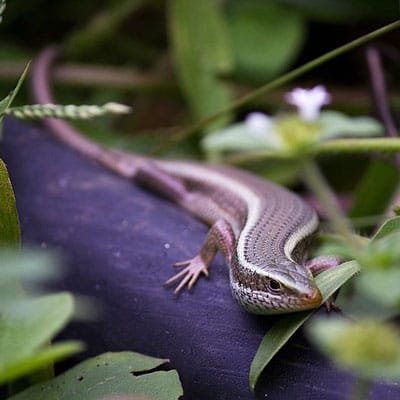
The family of skinks is multinational, You can find these species in an array of habitations world over, excluding Polar and boreal regions (regions experiencing subarctic climate). We find varieties of these species in the geographical regions that extend from the grasslands to the mountainous regions. Certain varieties are on the verge of extinction, like the androgynous skink in New Zealand.
Breeding
A number of varieties of skink are ovoviviparous (prior to giving birth to their offspring they hatch their eggs internally). Almost 45% of the varieties of skinks are viviparous.
Nesting
In general, skinks find refuge in the environments like a substantial amount of leaves beneath the man-made erections like first-floor apartments and garages. When you come across more than a pair of skinks you are definite to see a nest around. Skinks guard their nests zealously/ 10-30 lizards frequently stand in front of their nest and “guard” it.
Predators
The majority of the small land vertebrates’, prey on the different varieties of skinks. Lizards, coatis, raccoons, hawks, foxes, crows, cats, possums, herons, dogs, snakes are also their predators. They have a long period of gestation and therefore, this is a worry as these skinks become an easy object to prey upon. Mongoose that prey on these lizards are a threat to them, pushing them to extinction like the Anguilla Bank Skink Lizard.
As Pets
Housing
Get any type of enclosure or tank 10 gallons or bigger for a proper skink lizard care. Add in a loose substrate like soil or mulch. Bear in mind to place little water bowls (preferably bottle caps). Place in flat pieces of rocks and tiny plants. To make sure that the skinks are friendly among themselves add skinks of the same species and size. Place as many females as possible in a tank, whereas males have a tendency of fighting among themselves. Therefore, prior to keeping the new skinks, permanently observe if they mingle well among themselves by giving them a rehearsal.
Food
All of them consume small arthropods, like pillbugs, crickets, moths, crane flies, centipedes, and a few vegetables. Large skinks are efficient enough to eat more violent prey like tomato hornworms or medium sized wolf spiders.
Handling
Centipedes possess big pincers, besides, they emit a stinking smell, so be very careful while handling them.
Having discovered a fondness for insects while pursuing her degree in Biology, Randi Jones was quite bugged to know that people usually dismissed these little creatures as “creepy-crawlies”.