Leopard Frog
Scientific Classification
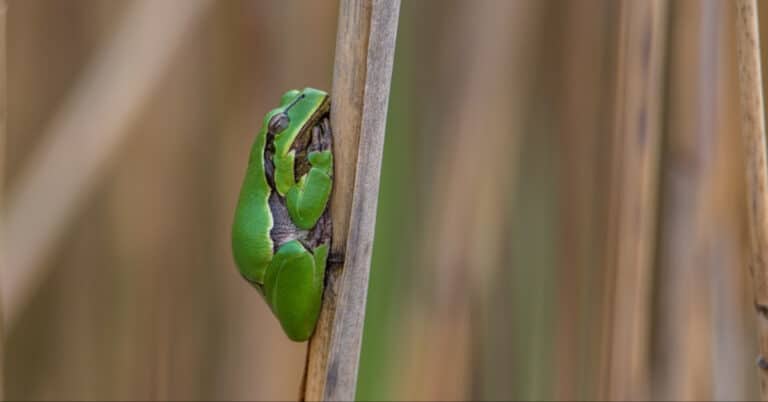
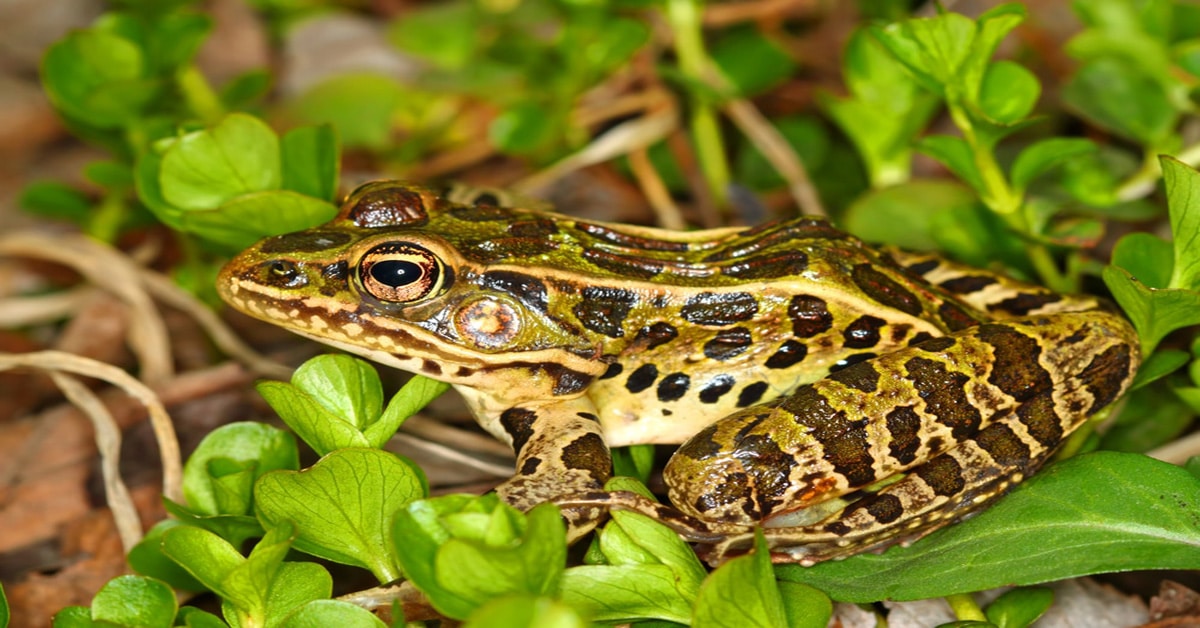
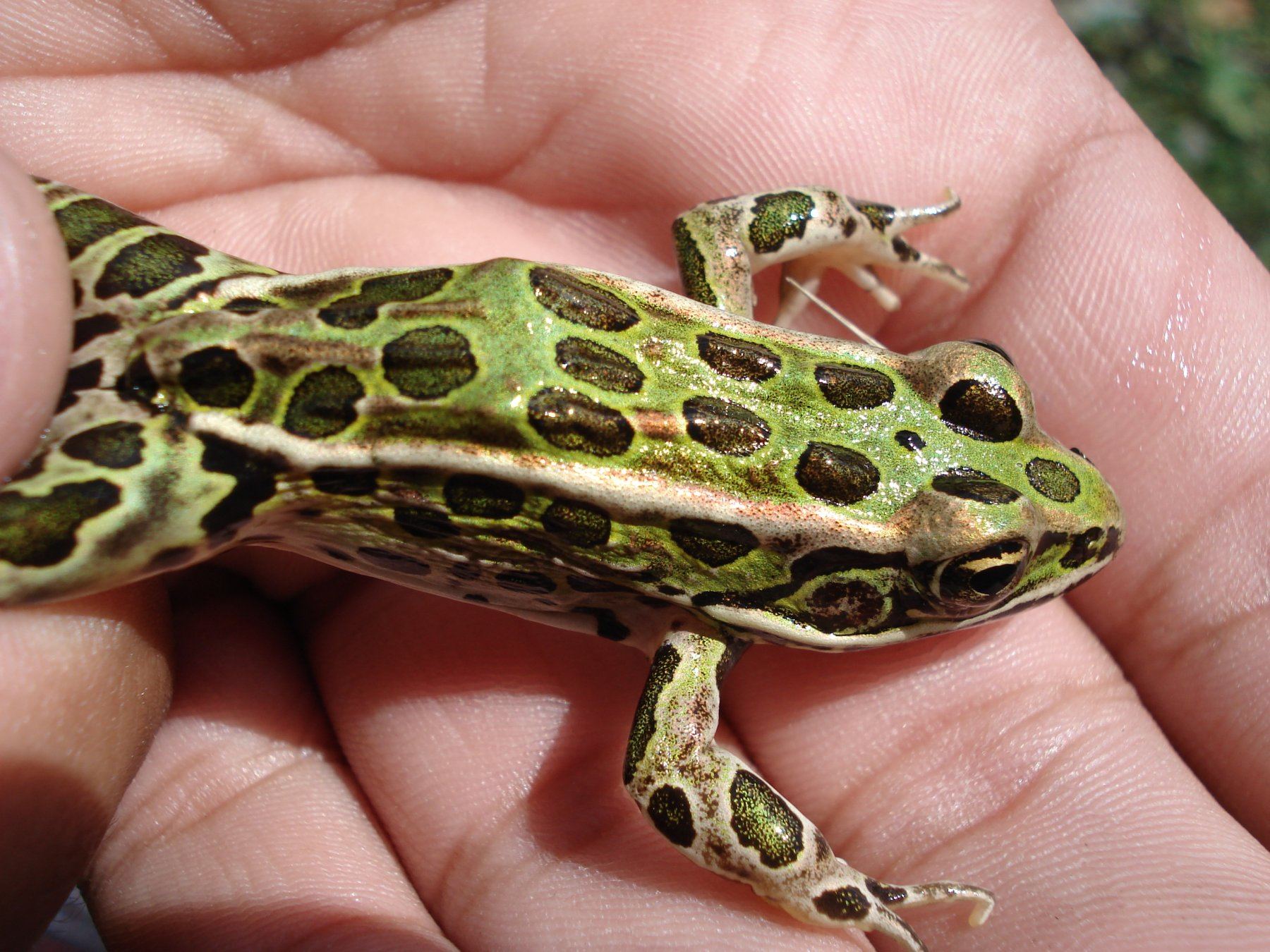
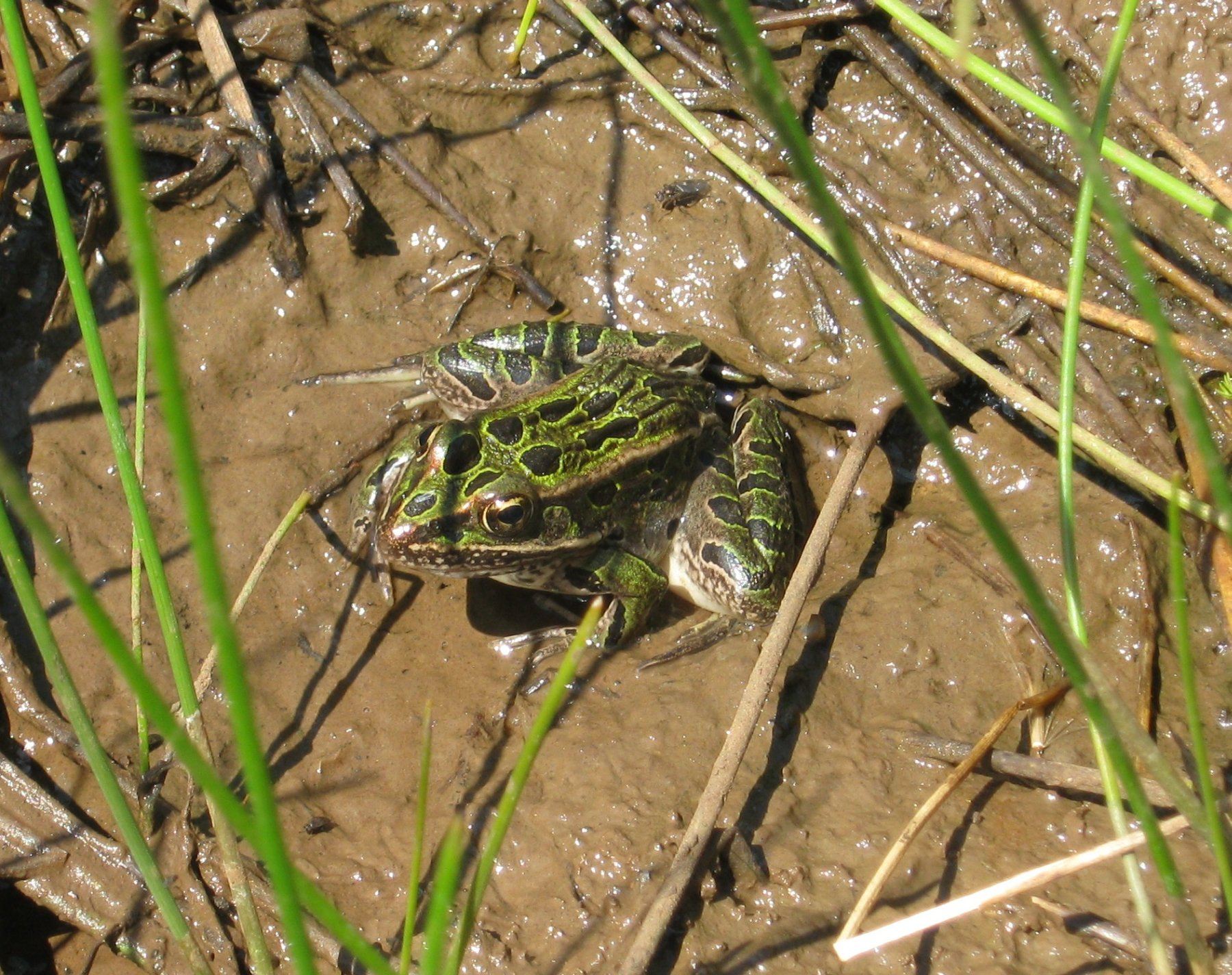
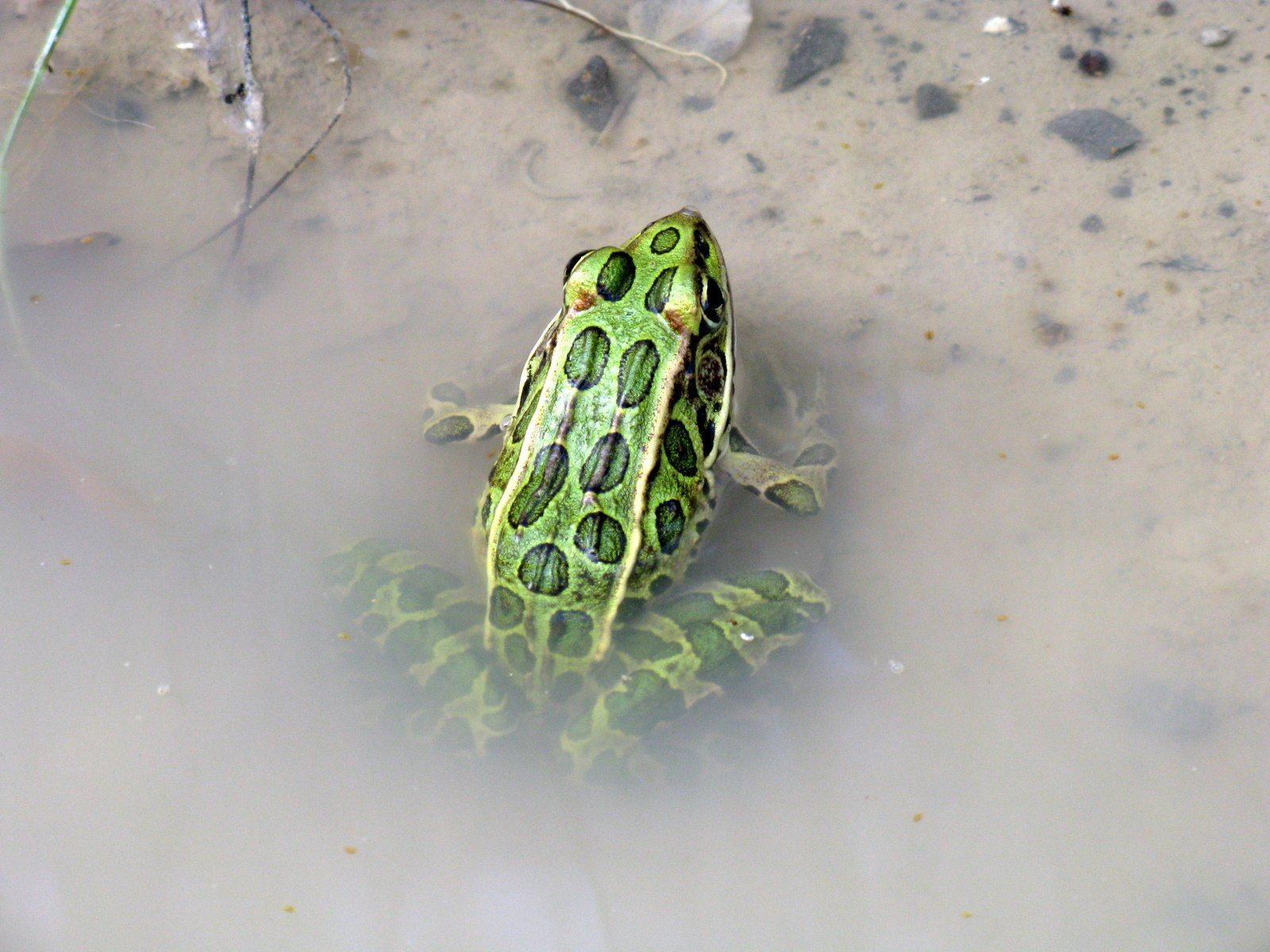
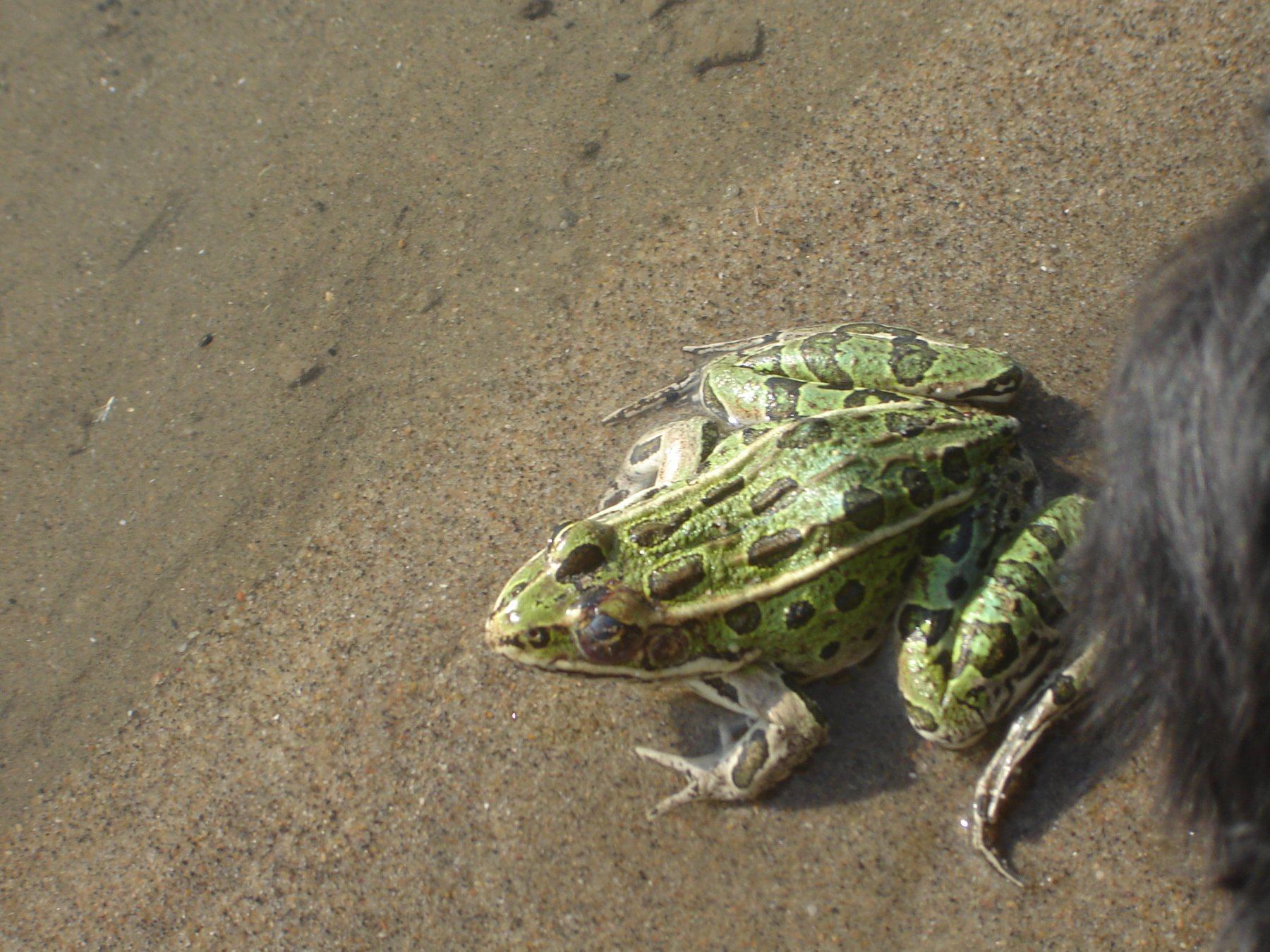
A leopard frog (at times known as a meadow frog) may fall under any of the14 varieties of frogs included in the real genus of frogs in the family Ranidae and the leopard frog Rana (genus Rana) are generally green in color, with conspicuous black spots, which at times resemble the pattern of a leopard. They are differentiated by their allocation and to a certain extent by their behavior, ecology, genetics, and morphological characteristics.
| Kingdom | Animalia |
| Phylum | Chordata |
| Class | Amphibia |
| Order | Anura |
| Family | Ranidae |
| Genus | Rana (partim) |
Anatomy
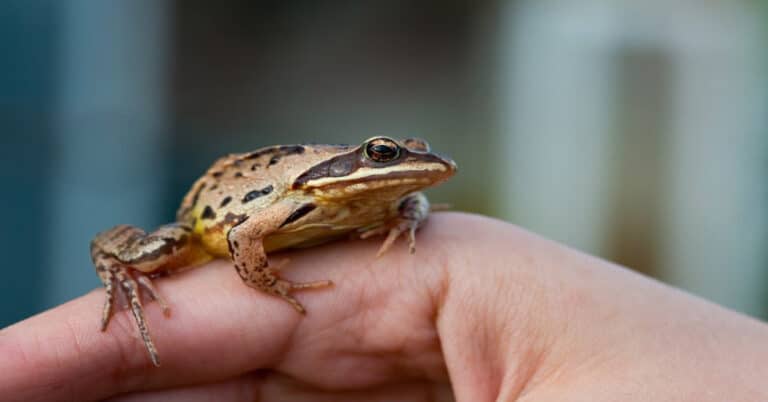
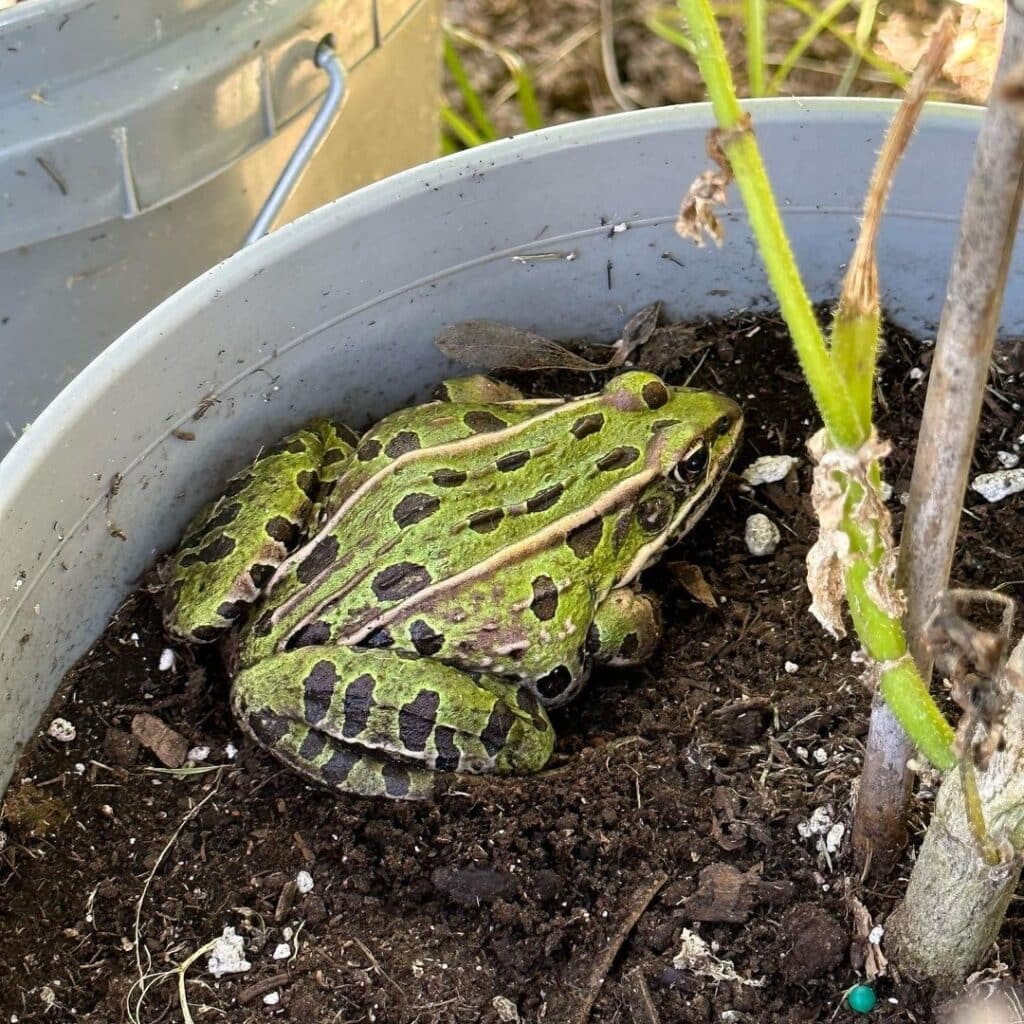
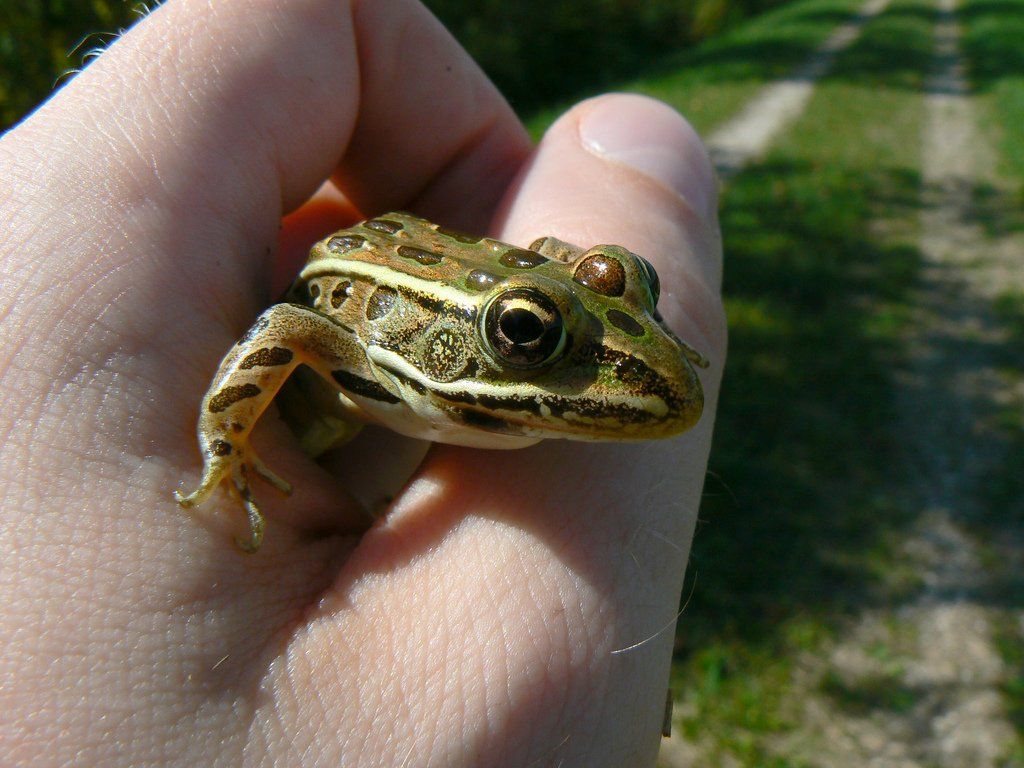
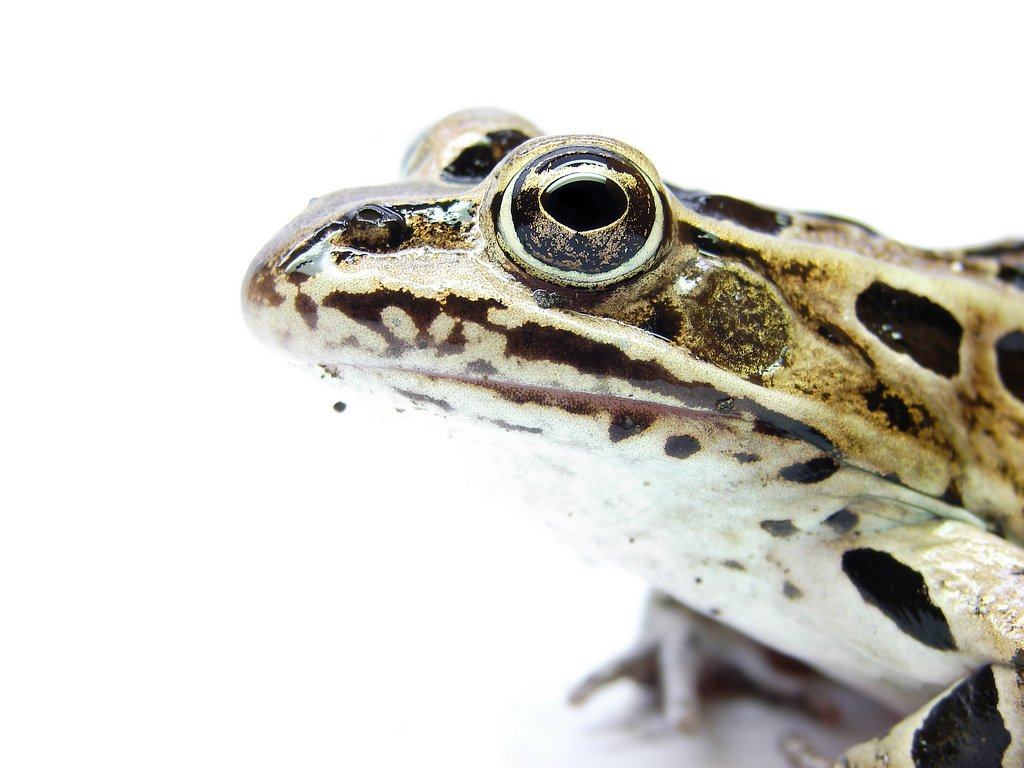
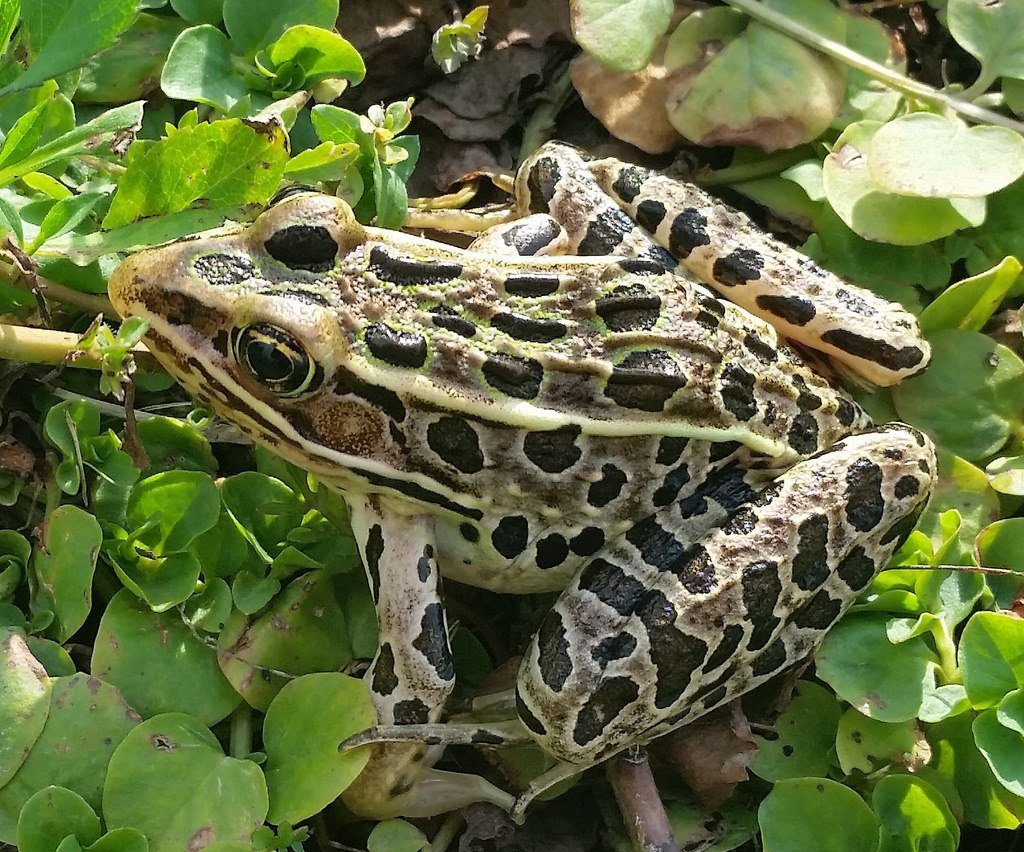
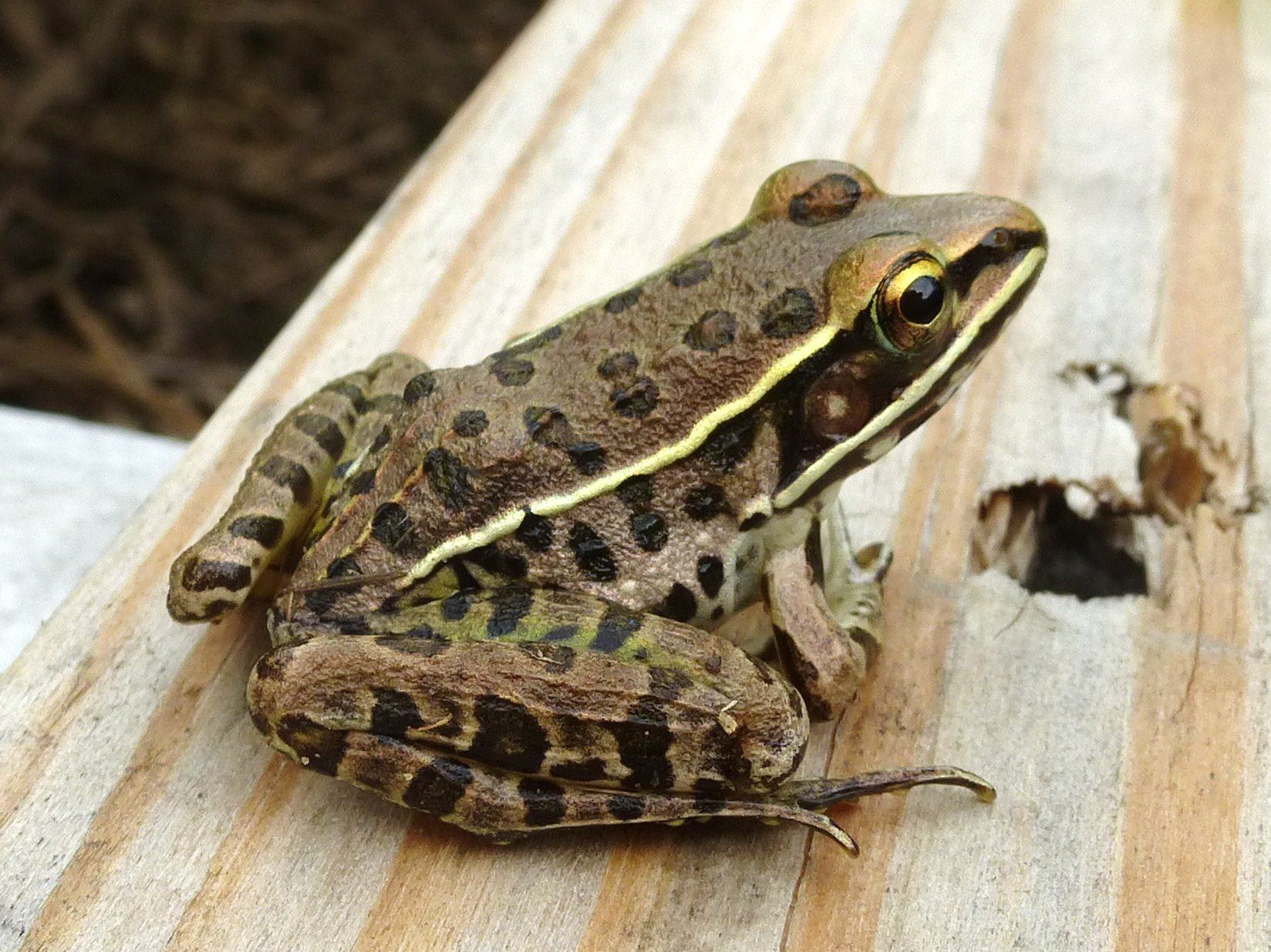
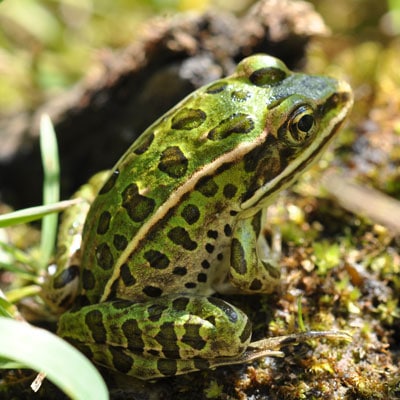
They are physically slim and colored to a tint of brown or green having dark colored spots normally with light colors at the edges. The upper jaw has a pale stripe and may grow to the size of more than 3 in.
Behavior
It is essential for these frogs to hibernate for a period of almost 3 months: at 37 to 39°F (3 to 4°C). There is a tendency for them to breed in enclosed spaces in the open just like ponds in the backyard. These animals are most of the time active at nights. When they are in trouble; they are likely to take shelter under water. It is understood that these leopard frogs feed on tiny frogs. They have big mouths with which it is possible for them to gulp small snakes and birds.
Habitat
You find this brownish frog in almost all locations, ranging from filthy gloomy marshy lands to lakes of fresh water. They hail from the south of Canada and half of North U.S. They are grouped into 6 clear varieties.
These spotted bug eaters are found about the borders of ponds, lakes and pools. Besides, leopard frogs inhabit marshy lands and several places that retains moisture. Their migration takes place in heavy rains and they can disappear any time.
As a Pet
Housing
These frogs are housed in enclosed containers with water. A capacity of 10 gallons with cover is about the correct size. Because a leopard frog is able to jump to a height of 3ft, you must provide it with sufficient space for its activities.
If you do not provide the leopard frog with clean water constantly, they croak (always). It is by their moist skin that the frogs inhale air, they are intolerable to unclean water (They abhor water containing melted organic matter or even crickets that are dead and floating in the water). Replace the water frequently and utilize conditioners to neutralize the chlorine in the water. Your job becomes convenient by the use of filters. A layer of duckweed on top of the water is loved by these frogs, since it shields them from viewers.
Leopard frogs tolerate a great range of temperatures. They are not much affected by hot or cool weather. Of course too cold weather reduces their activity.
The Temperate Forests are where you will mostly find the Leopard frogs, as they conceal themselves, foraging in the moist undergrowth. The most suitable terrarium for the leopard frogs is temperate woodland. Keep the substrate free from chemicals, and cover the soil lavishly with a mulch of leaves. Let the soil have sufficient depth for the frogs to hide in it. Make provision for hiding, by placing ornamental rocks and wood in the hiding place. Prior to installing the rocks or wood in the terrarium, immerse them in boiling water or bake them on low heat in an oven in order to kill the harmful germs. Placing some kind of ferns that are low-growing in the terrarium will add glamour to it. Place in the terrarium, a big shallow bowl of water, keeping a small ground space for them, The leopard frogs take pleasure on a diet comprising of different kinds of worms and insects, like crickets, crawlers and woodlice. These frogs do not require any particular kind of lighting facilities (other than for the plants in the terrarium) and heating provision. These frogs are very agile and capable of adapting themselves to the North American climate, they are ideal for outdoor greenhouses. Never accommodate them along with animals that are much smaller than them, because the leopard frogs can develop an inclination to eat them. If you take proper care of them, the leopard frogs will be a hardy and jolly pet for you for all time.
Food
The staple food for the frogs are worms; however, it is understood that the leopard frogs also feed on tiny frogs. They have big mouths which enable them to gulp tiny snakes and birds.
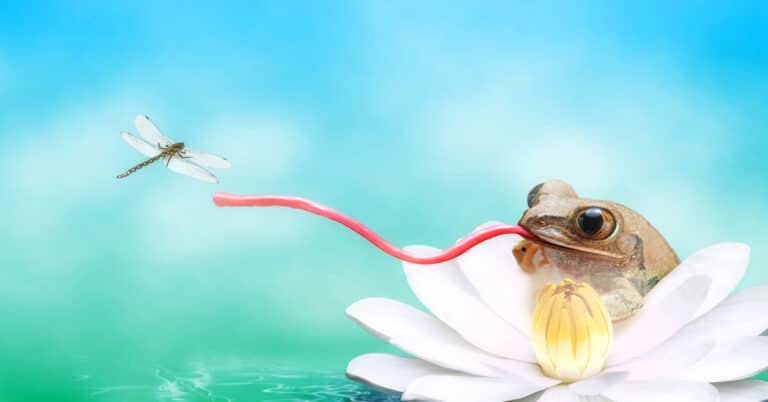
Leopard frogs eat only those prey that in motion. However, it is possible for you to coax them into eating dead insects by taking a soda straw and slowly blowing air on the dead insect or by swinging a worm before them till they jump and gulp it down. Intermittently, you should dust the prey (crickets) with a good amount of vitamins and pulverized calcium. Never add excess of vitamins for your leopard frogs. Feeding them with crickets after dusting for their diet occasionally provides them with all the calcium and D3 that they require.
Handling
Not all amphibians derive pleasure when you handle them. A little of their skin is removed when they are handled. As far as possible, leave your leopard frogs on their own. Whenever you handle them, wash your hands.
Having discovered a fondness for insects while pursuing her degree in Biology, Randi Jones was quite bugged to know that people usually dismissed these little creatures as “creepy-crawlies”.