How to Tell Apart Different Types of Frogs
There are nearly 4,000 types of frogs, including toads, which are in the frog family, in almost every part of the world. The only place where there are no frogs and have never been any types of frogs is Antarctica because it is too cold all year long. There are about 80 types of frogs in the United States. Most of the different types of frogs can be found in the tropics because it is a warm and wet environment.
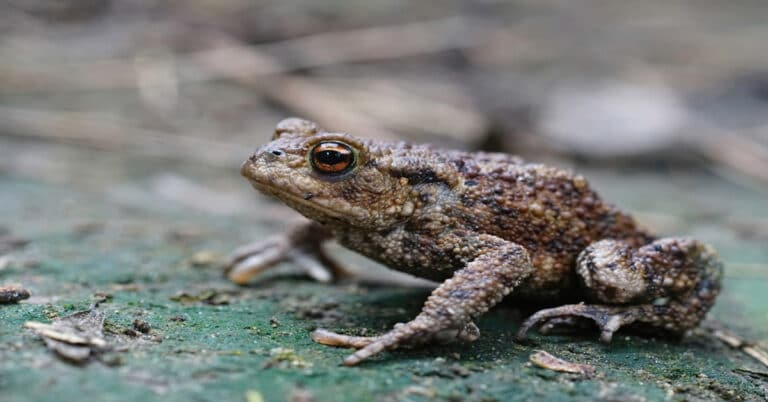
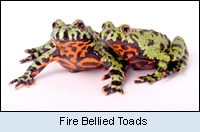
The different types of frogs can be told apart in many different ways. The biggest difference is between frogs and toads in North America. Frogs are skinnier than toads and their skin is smooth and looks slimy. Toads have wider bodies and their skin is drier and rough and warty. In some tropical places, the toads look very much like frogs, though, so you can’t always tell them apart this way.
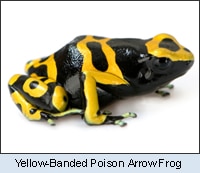
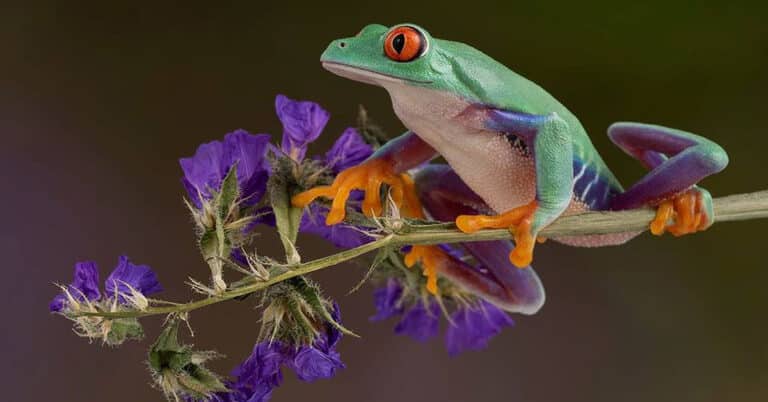
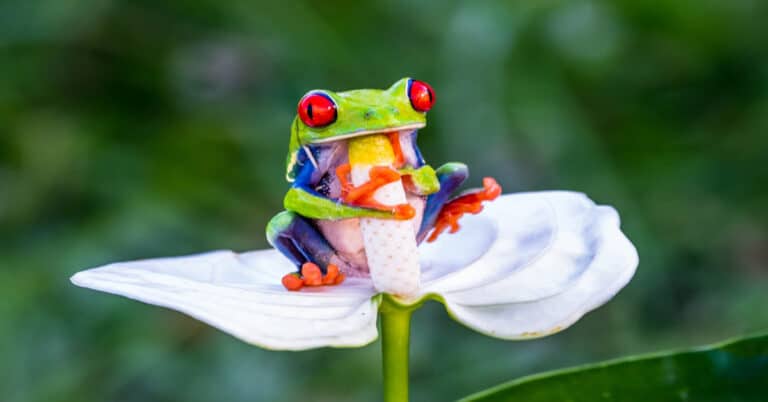
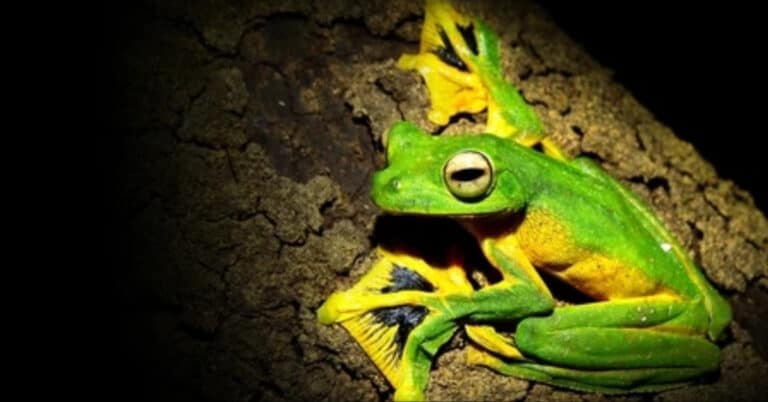
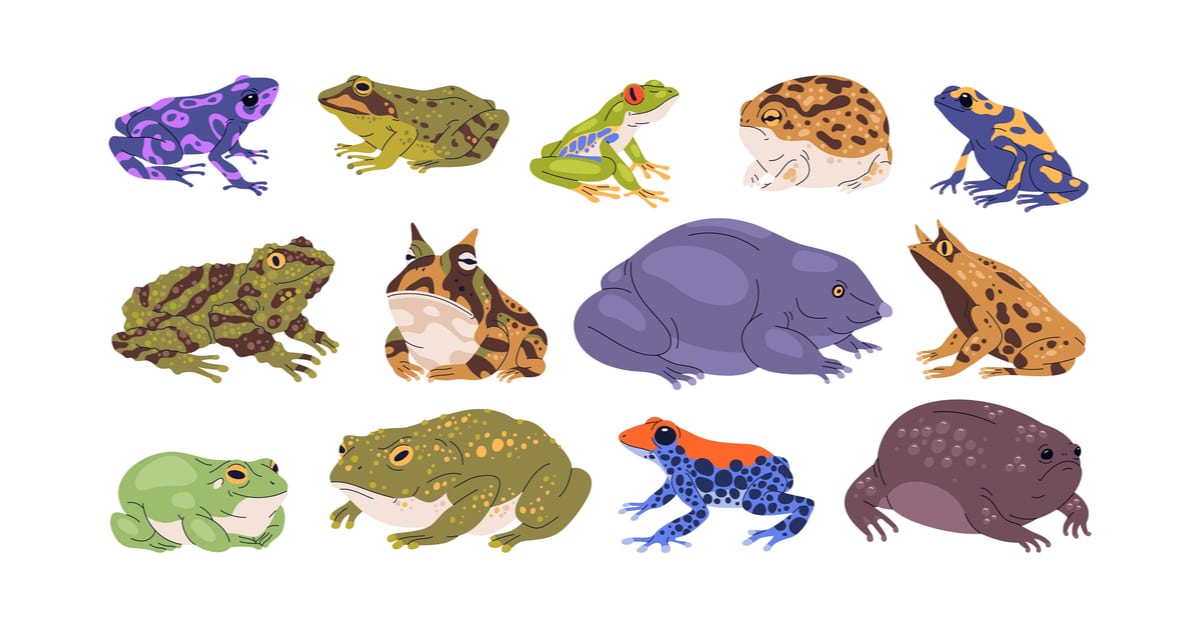
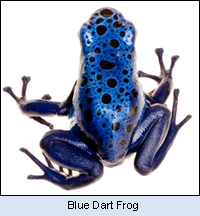
Frogs aren’t all green. Some types of frogs are yellow, brown, orange, red, black, or a combination of these colors. Some frogs even change colors. The patterns on each type of frog are different, too. Some frogs have no patterns at all and are just a solid color and others have very cool markings on them.
The different frog types can sometimes be told apart by the calls that they make. No, they won’t call you on the phone if you give them your number, but they do call out for different reasons, and each type of frog has a different type of call. Only male frogs make calls, females do not. Some frogs have a croak that you are used to hearing about, but some types of frogs bark like a dog and some chirp like a bird. Some types of frogs whistle and some groan. There are lots of different sounds that frogs make when they call, but only a few reasons that they will call out.
Male frogs will call out to the female frogs to let them know that they are ready to mate and so the female frogs can find them. Frogs will call out to other frogs to let them know that the area they are sitting in belongs to them and to keep other frogs away. Frogs will also call out to warn away other animals, especially the ones that will eat them.
Different types of frogs will have different skeletons and different teeth formations. These things help to give the frogs their different shapes and looks. Some frogs have different skeletons and teeth but look very similar on the outside so they are hard to tell apart, and unless you are a frogologist (which is actually called a herpetologist) you probably won’t get close enough to study the teeth or bones of a frog.
Having discovered a fondness for insects while pursuing her degree in Biology, Randi Jones was quite bugged to know that people usually dismissed these little creatures as “creepy-crawlies”.