Butterworts
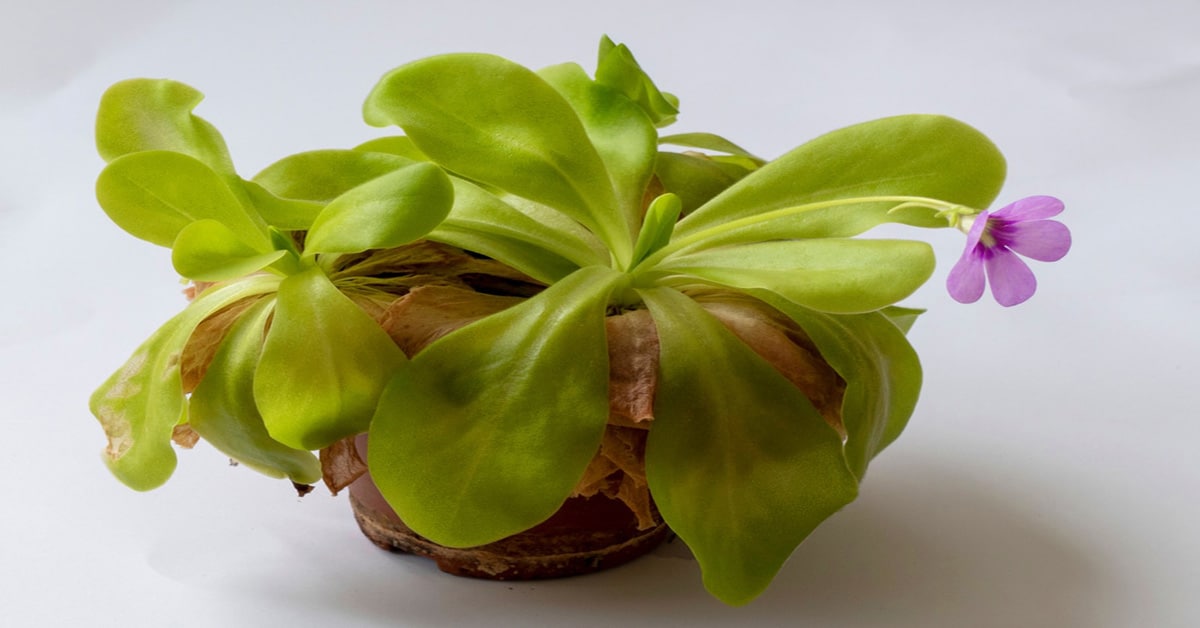
Pinguicula carnivorous plants, more popularly known as the butterworts, are a species of carnivorous plants that employ their sticky, glandular leaves to entice, trap, and absorb insects to compensate for the meager mineral nutrition they get from the environments. At present, it has eighty known species. Of these, twelve belong to Europe, nine to North America, and a few to northern Asia. You can find the largest variety in South and Central America. Most Pinguicula are perennial plants. The known annuals include P. Sharpii, P. crenatiloba, P. takakii and P. pumila. All types appear in the form of stem-less rosettes.
| Kingdom | Plantae (Plants) |
| (Unranked) | Angiosperms |
| (Unranked) | Eudicots |
| (Unranked) | Asterids |
| Order | Lamiales |
| Family | Lentibulariaceae |
| Genus | Pinguicula |
Habitat
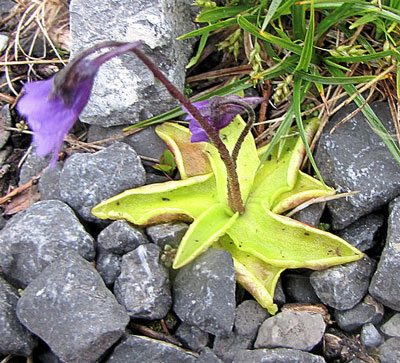
Generally, butterworts grow in alkaline soils, offering meager nutrition. Certain types have adapted well to other types of soils like acidic peat swamps and even vertical walls of rocks. Many of the Mexican varieties often grow on rocks, mossy banks, and roadsides of oak-pine forests.
Distribution
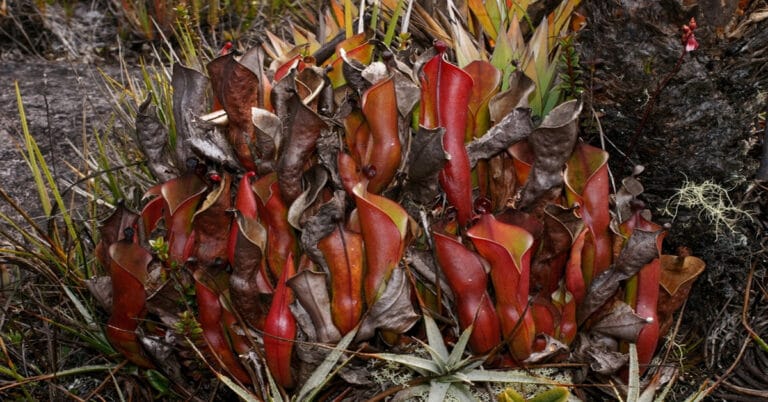
All species of Heliamphora are prevalent in the tepuis, found in the Guiana Highlands of South America and uplands in their neighborhood. Most originate in Venezuela, though you can find a few of them in northern Brazil and western Guyana. Heliamphora minor is a species that you find in Venezuela.
Types of Butterworts
You can mainly divide Butterworts into groups, depending on the weather in which they develop. They refer to the ones that modify the shapes of their leaves in keeping with the season as Heterophyllous, while those maintaining a consistent growth pattern they refer to as Homophyllous. Therefore, the four groupings are:
Tropical Butterworts
- Heterophyllous tropical genus
- Homophyllous tropical genre
Temperate butterworts
- Heterophyllous temperate genre
- Homophyllous temperate species
Trap Mechanism
Like all other members of the Lentibulariaceae family, butterworts are animal eating. With the purpose of catching and absorbing insects, its leaf makes use of two specific glands, spread over its surface.
The peduncular gland comprises of a small number of oozing cells resting on a single stalk cell. These cells ooze out a mucilaginous discharge, which appears as noticeable tiny drops all over the surface of the leaf. This damps exterior perhaps helps in the tempting prey on the lookout for water. The insect, in its struggle to escape, triggers more glands that ensnare it in the mucilage. Some varieties are also capable of curving the edges of their leaf, thus bringing other glands in contact with the captivated insect.
Digestion
Sessile glands that lay flat on the leaf surface to represent the second type of gland in the butterwort plant leaves. After the safe entrapment of the prey by the peduncular glands, the sessile glands secrete the enzymes to start the process of digestion by breaking down the digestible parts of the insect, and re-absorbing the fluids through the cuticulor holes in the leaf surface. You can find the exoskeletons of the larger insects on the leaf surface.
Tips for Domestic Cultivation
Temperature
The most commonly cultivated butterwort varieties need a temperature of 5C (40F) in winter.
Humidity
Ambient humidity seems to work well for these plants, and you need not undertake any supplemental action.
Light
Placing them on a kitchen windowsill offers them the dual advantage of bright sunlight and an ample abundance of flies in the summer. However, take care to protect the Pinguicula only from the harshest sunlight.
Substrate
The best substrate for Pinguicula is a blend of 10% charcoal mixed with 40% peat and 40% vermiculite or grit/sharp sand, that must keep moisture well and permit quick draining.
Watering
For best results, keep the pots in an inch of water from March to November, but ensure to change the water fortnightly. Keep the plants moist throughout the rest of the year and desist from allowing them to dry.
Feeding
The best policy here is to allow these carnivorous plants to fend for themselves as any extra feeding may adversely affect them.
Having discovered a fondness for insects while pursuing her degree in Biology, Randi Jones was quite bugged to know that people usually dismissed these little creatures as “creepy-crawlies”.