Heliamphora
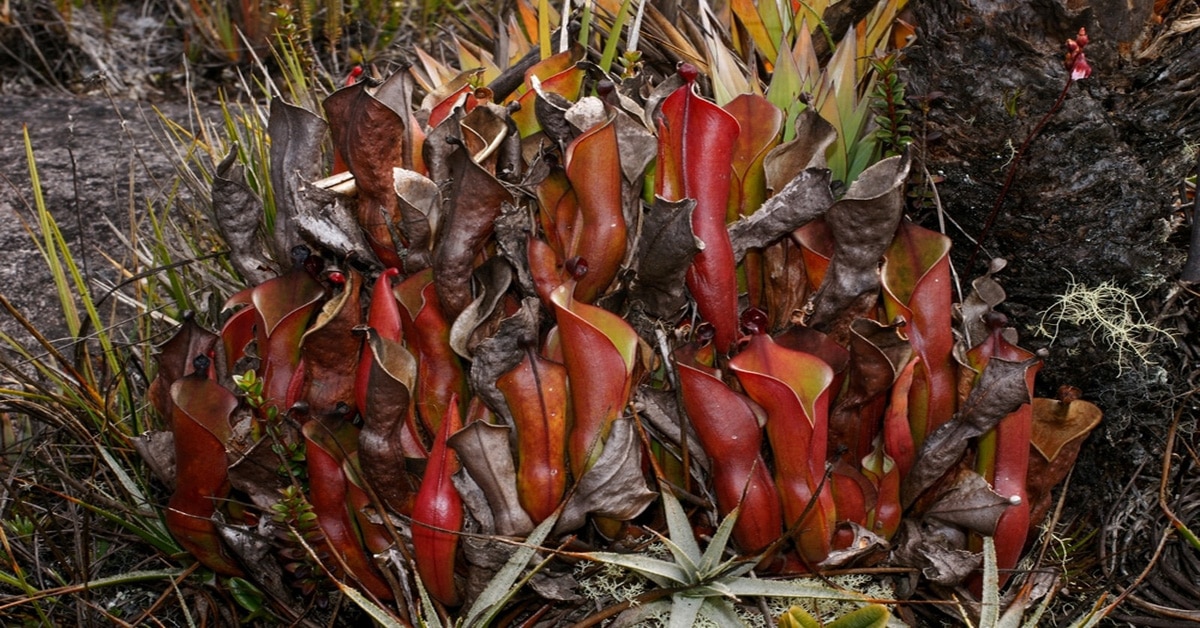
The genre Heliamphora carnivorous plants have 23 varieties of pitcher plants that are widespread in South America. Everyone knows the species group as “sun pitchers,” because of the misguided opinion that the Heli of Heliamphora derives from the Greek Helios, meaning “sun”. Actually, the name is a derivative of helos, meaning marsh. Therefore, a more precise translation of their scientific name should read as marsh pitcher plants. Species of Heliamphora are carnivorous plants, consisting of a modified leaf structure that merges with a tubular shape. They have mechanisms developed that avoid their filling up with water, yet draw, entrap, and eradicate insects.
Sun pitcher Quick Facts
| Common name | Sun pitcher |
| Scientific name | Heliamphora |
| Kingdom | Plantae |
| Phylum | Tracheophyta |
| Class | Magnoliopsida |
| Order | Ericales |
| Family | Sarraceniaceae |
| Type | Carnivorous pitcher plant |
| Diet | Carnivore: mostly ants, some flying insects |
| Habitat | Tepuis (table-top mountains) and nearby uplands |
| Native range | Guiana Highlands: Venezuela, northern Brazil, Guyana |
| Size | Leaves a few cm to over 50 cm |
| Special feature | Pitchers have a side drain hole for extra rain |
| Kingdom | Plantae (Plants) |
| (Unranked) | Angiosperms |
| (Unranked) | Eudicots |
| (Unranked) | Asterids |
| Order | Ericales |
| Family | Sarraceniaceae |
| Genus | Heliamphora |
Distribution
All species of Heliamphora are prevalent in the tepuis, found in the Guiana Highlands of South America and uplands in their neighborhood. Most originate in Venezuela, though you can find a few of them in northern Brazil and western Guyana. Heliamphora minor is a species that you find in Venezuela.
Morphology
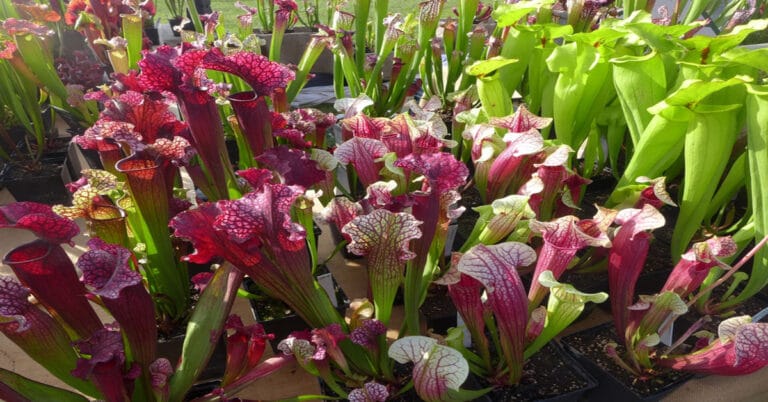
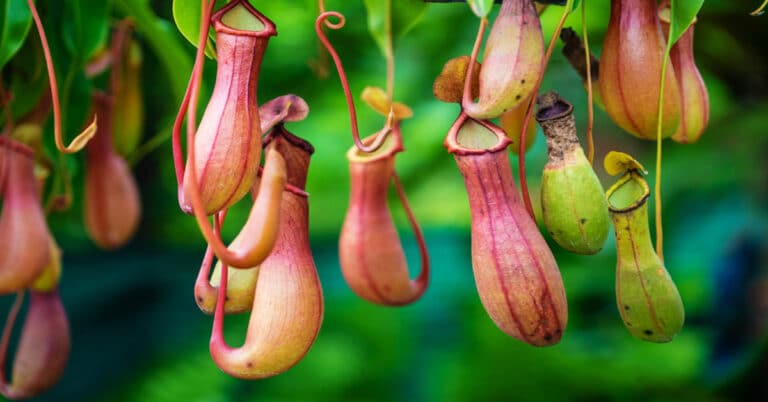
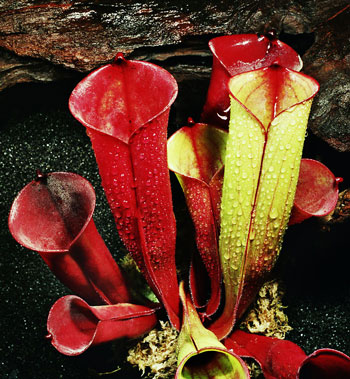
All Heliamphora are herbaceous lasting plants. These grow from a subterranean rhizome (tuber) in the form of a low rosette. The size of the leaf varies from just a few centimeters, going beyond 50 cm. Heliamphora has tubular traps shaped by rolling leaves with complex edges. Unlike most pitcher plants, marsh pitcher plants have no true lid (operculum). Instead they have a small “nectar spoon” in the upper flat portion of the leaf. This spoon-like arrangement oozes a nectar-like matter, which lures small animals and insects. Each pitcher also shows a tiny opening on its side that enables drainage of surplus rainwater, comparable to an overflowing sink. That is how the marsh pitcher plants maintain a steady and high level of rainwater inside the pitcher. The inner surface of the pitcher has hairs pointing down, which forces insects into the lower parts of the pitcher.
Digestion
Many Heliamphora rely on bacteria in the pitcher fluid to help digest their prey, as they do not produce the enzymes themselves. They use their pitfall trap to trap and kill the prey with the aid of chemical and visual seduction. Only some species produce the digestive enzymes, and if you strictly consider a carnivorous plant only by their producing enzymes, many Heliampohora will fall outside the carnivorous category. Ants form the main prey of these plants, but some like Heliamphora Tatei have adapted to add more flying insects to their diet. However, most of their carnivorous habits are weak in insufficient light.
Tips for Domestic Cultivation
Care in cultivation
The highland species of these plants need a cool temperature and the lowland species require warm temperatures. Provide high and continuous humidity for their comfort.
Substrate
For soil substrate, use live sphagnum moss or long-fibered and shredded ones. If you add a little pumice, perlite and lava rock, it will help drainage and retain the moisture, with are both important to these plants. Keep up the high humidity levels by frequent misting if necessary.
Seed Germination
For seed germination, scatter the seeds on properly milled sphagnum moss and exposing to good humidity in bright sunlight, and you will see the germination in a few weeks.
Sun pitcher FAQs
What does Heliamphora mean?
People often say the name means ‘sun pitcher’, but it really comes from a Greek word meaning marsh. So Heliamphora is more correctly the marsh pitcher plant.
Where do Heliamphora plants grow?
They grow on the tepuis of the Guiana Highlands in South America. Most live in Venezuela, with a few in northern Brazil and western Guyana.
What do Heliamphora eat?
Ants are the main prey, although some species, such as Heliamphora tatei, also catch more flying insects. Some species make few or no digestive enzymes of their own.
How do Heliamphora pitchers stop overflowing?
Each pitcher has a small opening on its side that lets extra rainwater drain out, like the overflow hole in a sink. This keeps the water level steady.
How many species of Heliamphora are there?
There are about 23 species of Heliamphora, all of them pitcher plants from South America.

Randi Jones is the owner and founder of the Nature Gift Store, an online retailer specializing in nature-themed gifts, educational science projects, live animal nature kits and real butterfly artwork. A biology graduate who fell in love with insects, she founded the company in 2001 to make active learning about nature fun, accessible and engaging for children and adults. Her store offers real butterfly frames, home and garden decor and educational live animal kits, including ant farms, worm farms, tadpoles, ladybugs and hermit crabs, and she runs a bug museum in Washington featuring live animals like Eddie the Iguana alongside other reptiles and insects.